Stuck in a Twitter scroll the other day a tweet caught my eye.
“I am very concerned that eldest’s GCSE English Literature texts – Macbeth, Lord of the Flies and Great Expectations – are the same as my O Level ones were in 1987.” (@antonia_writes)
Having too studied Macbeth for GCSE in 1999 I read the comments and was startled by the amount of people also agreeing that they too had studied one, two or all 3 of these books over the years.
I was born in 1983 which means that for virtually my whole lifetime (indeed one lady confirmed two were her set texts in 1968) children have been solely examined on books written by white men. Surely not?
The National Curriculum
A perusal of the National Curriculum website, the body that sets the subjects and standards all primary and secondary schools reach, advises set texts for English exams should consist of:
- At least one play by Shakespeare
- At least one 19th century novel
- A selection of poetry since 1789, including Romantic poetry
- A post-1919 fiction or drama from the British Isles
I get why everyone should study Shakespeare at least once in their lifetime. I get the poetry requirement and I agree that a range of novels both old and young should be included. But this definition does leave scope for diversity, so why the repetition of books?
Set us a text
A bit of researching of the various exam boards however starts to shed light on the matter. Exam boards are responsible for setting and awarding GCSEs and A Levels in England and Wales. AQA, one of the biggest exam boards in the country, has only three female author options in its 19th century category with only two on the list featuring female leads. The number of black leads? Zero. Well we are talking about the 19th century, what about the very modern ‘post 1919’?
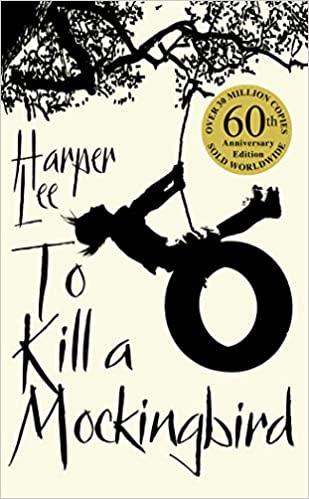
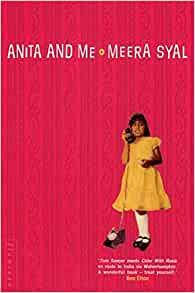
We have An Inspector Calls (white male), Blood Brothers (white male) and the very modern 2004 History Boys (white male). The only woman author is Shelagh Delaney with Taste of Honey about a pregnant teenager which was written way back in 1958. But, wait for it, tucked away under the ‘Modern Text Prose’ category there is Anita and Me, a book about a British Punjabi girl that was written by a female author in 1996. Well that makes it all OK then. And don’t forget about To Kill A Mockingbird, that’s always on the set text lists!
Re-occuring theme
The same books feature more or less across every exam board and have done so for years. When questioned about this AQA responded
“It is possible that some texts have featured on a number of specifications because they remain relevant for young people to engage in the study of them. However, we do recognize that there is a lack of diversity in the set text lists for GCSE English Literature and also that the set text lists would be improved by being more representative of writers from more diverse backgrounds. We would also want to ensure opportunities are taken for texts to be reflective of Britain today. This is something we know needs to be addressed and we are currently engaged in exploring how we move forwards on this. At all times what we do needs to happen in a way that is fair to students and teachers.”
So are teachers to blame?
New books of course mean that our already overworked teachers will be required to change their well thumbed lesson plans, yet this is something that is positively welcomed by teachers. When asked about changing lesson plans a teacher in Newcastle replied:
“I’ve been teaching for 18 years and in that time the specs have changed numerous times – part of our job is to plan and adapt, for example I’d never taught Dickens before this latest spec came in so I had to learn that from scratch – what’s the difference between that and learning a new more diverse text?
and would more diverse books be welcomed in the classroom?
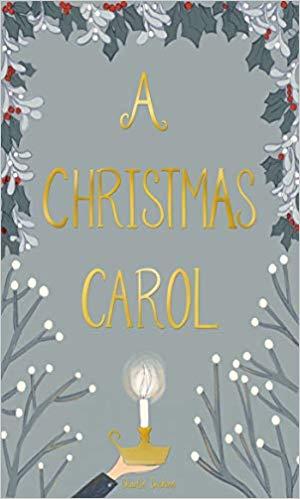
As a female teacher I do find it deeply frustrating constantly teaching GCSE texts which portray women according to traditional patriarchal stereotypes of victim/villain. And whilst as a White British person I can’t claim to be impacted by the lack of racial/cultural diversity within what we teach, I do often despair that there is so little for our BAME students to identify with. Currently every text we study at GCSE is by a white man (Macbeth, A Christmas Carol and An Inspector Calls). There are other texts available of course but we are given no choice as individual teachers within our center – I think very few are these days due to financial pressures of purchasing texts, issues around covering content if staff go off sick, parity of experience etc.”
Whilst there is clearly a willingness to teach a more diverse set of texts having worked alongside schools previously I can appreciate how cash strapped they can be. But if exam boards forced the issue budgets for new books would have to be found.
Time to balance the books
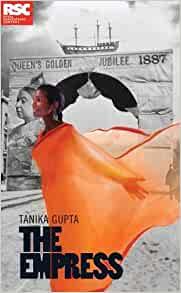
In 2019 exam board Edexcel announced plans to change the status quo stating “schools will be offered more poems, plays and novels to choose from including those written by authors from black, Asian and minority ethnic (BAME) backgrounds.” Alongside this statement they added two new novels, two new plays and a new poetry collection to their English Literature text list. The Empress by Tankia Gupta and the poetry anthology Belonging being two such additions. “We want to ensure that students are being exposed to literature from a variety of British authors, from different backgrounds, and are reading about contemporary issues that they can engage with and relate to.”
So do we, so do we.
To highlight the lack of diversity in set texts let us know what books you studied/are studying for GCSE or A Level. Comment below or tag us on social media. #BalanceTheBooks
- A Christmas Carol
- The Empress