What we'll cover...
An electric radiator represents one of the fastest growing and popular modern heating solutions on the market. Today’s electric heating solutions are smart, stylish, efficient and genuinely impressive performers when chosen correctly.
That said, there are multiple technologies that account for their make-up, such as dry thermal, oil-filled, ceramic core and infrared to name a few. Plus, varying different heat outputs, WiFi vs manual controls and Lot20 compliance to think about; it’s little wonder homeowners might ask: Which electric radiator do I need?
This guide will help you decide on the right option for your home, exploring which room is to be heated, what size electric radiator is required, which control type is right for you and what installation setup will work best.
Ultimately, we’ll work through all the variables and factors to work out which electric radiator is most efficient for your space and makes the most sense in line with your home and lifestyle.
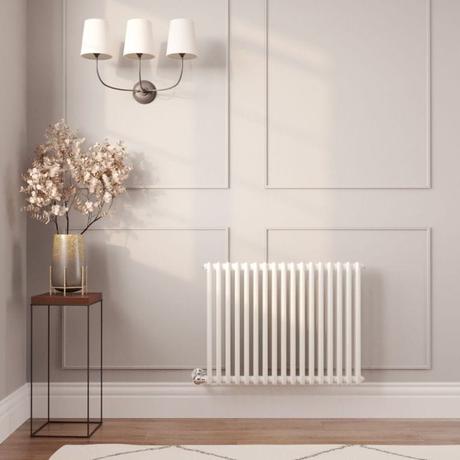
How to find the perfect electric radiator
Step 1: Which room are you heating?
The best electric radiator for a living room isn’t necessarily also the best option for a bedroom area, for example. And what works well in a bathroom won’t always be suited to a home office.
Room type matters greatly, because usage patterns, heat demand and control preferences all differ from space to space.
Living rooms
Living rooms typically require:
- Higher heat output
- Even heat distribution
- Smart scheduling
- Reliable background warmth
For these areas, ceramic core electric radiators or dry thermal radiators can be considered an especially favourable choice. This is due to their capacity to retain heat effectively and release it on a gradual basis, meaning the room remains at a comfortable temperature without constantly drawing energy.
If you want to know the key attributes in finding which electric radiator is most efficient for a living room, aim for:
- High thermal retention
- Smart programmable control
- Accurate thermostatic regulation
And you can find further detailed insights about these types of radiators in our guide, Modern heat-up: Ceramic core vs dry heat radiators.
Shop Electric Radiators for Living RoomsBedrooms
Bedrooms need:
- Stable, gentle heat
- Silent operation
- Night-time scheduling
Oil-filled radiators and ceramic core models work particularly well in bedroom spaces because they deliver consistent warmth without rapid spikes in temperature.
Smart heating controls are also incredibly useful for bedrooms, especially if you want to reduce temperature automatically overnight.
Shop Electric Radiators for Bedrooms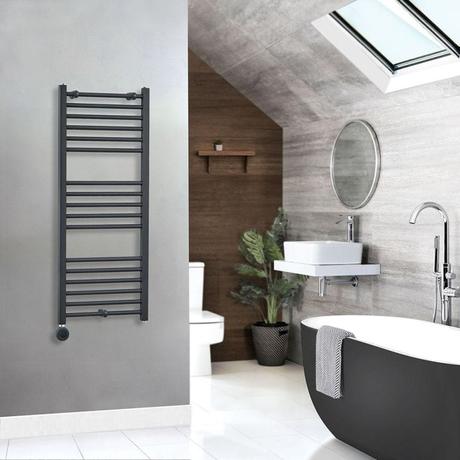
Bathrooms
Bathrooms demand:
- Higher heat output per square metre
- Moisture-safe designs
- Fast warm-up times
Electric heated towel rails or IP-rated electric radiators are ideal. These allow for year-round heating without any need to switch on the central heating system.
Shop Electric Radiators for BathroomsHome offices
Precision is especially important for the likes of home offices. Typically, you won’t want to heat the whole house, and instead focus solely on the room you’re working in with zonal heating control.
Dry thermal electric radiators are an excellent choice in this regard – especially models with programmable WiFi control for remote control and adjustments.
Shop Electric Radiators for Home Offices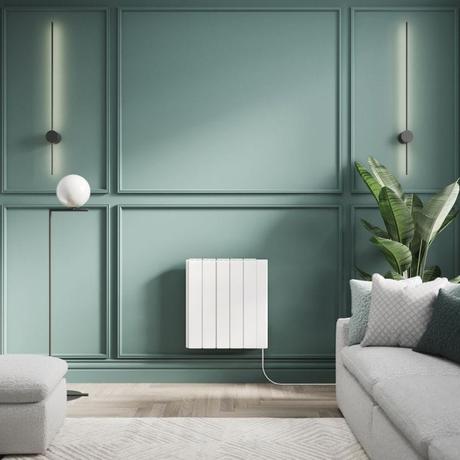
Step 2: What size electric radiator do I need?
Correctly sizing up an electric radiator is a step that has tripped up many a homeowner before. Most commonly, issues stem from customers purchasing based mainly on appearance with little regard for heat output capabilities.
The output of electric radiators is measured in watts as opposed to BTUs.
Sticking roughly to the following figures will help ensure you opt for proper electric radiator sizing when coming to your decision.
- Small room (up to 10m²): 800-1000W
- Medium room (10–20m²): 1200-1600W
- Large room (20m²+): 1800-2500W
However, room size isn’t the only factor. You must also consider:
- Ceiling height
- Quality of insulation
- Window size
- External walls
It can’t hurt to use a heat output calculator before committing to purchase if you want extra peace of mind. And remember the importance of selecting the right electric radiator size too.
Choosing an underpowered model will necessitate it running almost constantly, resulting in higher bills. Opting for an overpowered design will lead to short cycling and wasted capacity, with an inefficient overall performance.
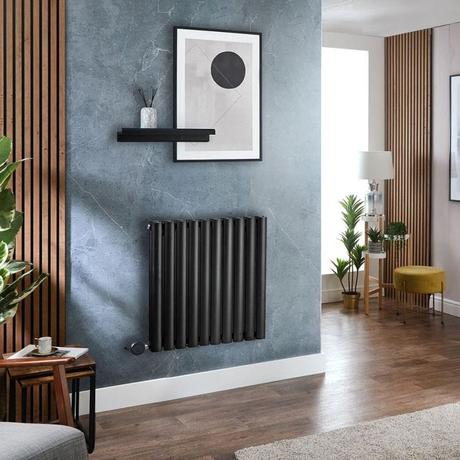
3. What electric radiator technology is right for you?
Not all electric radiators heat up in the same way. There are subtle and sometimes more obvious differences between the main types, which could influence your ultimate decision on which electric radiator is right for you.
Dry thermal radiators
Dry thermal or dry heat radiators utilise an internal heating element and thermal blocks to retain and release heat steadily.
Dry thermal radiators are best for:
- Living rooms
- Bedrooms
- All-day use
Pros:
- Fast heat-up
- Good retention
- Low maintenance
Oil-filled electric radiators
Oil-filled radiators circulate heated oil internally, which delivers warmth gradually.
Oil filled vs dry electric radiators
Oil-filled radiators:
- Are slower to heat up
- Provide very stable temperature levels
- Are a slightly heavier component
Dry thermal radiators:
- Offer a faster response time
- Are lighter
- Often feature modern controls
Oil-filled radiators work well in providing heat for long, steady heating periods, making them a popular pick for bedrooms.
Shop Oil-Filled Electric Radiators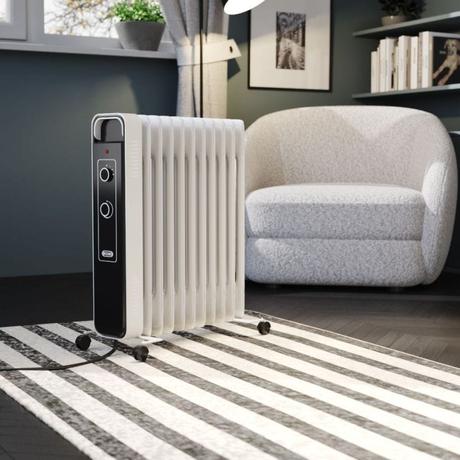
Ceramic core radiators
Ceramic cores store heat extremely effectively and distribute it evenly throughout the room.
When considering the efficiency levels of different styles of electric radiators, ceramic core models rank right amongst the best in terms of heat retention.
Ceramic core radiators:
- Deliver stable comfort
- Reduce energy spikes
- Work brilliantly with smart scheduling
Infrared heaters
Infrared heating works very differently. Rather than heating air, it heats up objects directly.
Infrared heaters are a prime choice for:
- High ceilings
- Draughty spaces
- Spot heating
They’re ultra-efficient for targeted warmth, but less common as a primary radiator replacement.
Shop Electric Heaters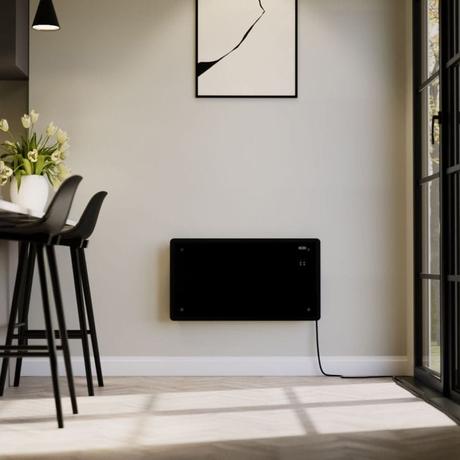
Step 4: What control type do you need for your electric radiators?
Electric radiators now can be accompanied by anything from basic manual thermostats to full WiFi-enabled smart heating controls. Which type works with your system will make a massive difference to the way it operates.
Manual heating controls
Manual heating controls come in the form of a simple dial or digital thermostat.
Best for:
- Occasional use rooms
- Lower upfront budget
- Straightforward installations
Programmable digital controls
Programmable digital heating controls allow for the creation of timed schedules, so heating is only used in rooms where you need it, when you need it.
Best for:
- Bedrooms
- Living areas
- Zonal heating
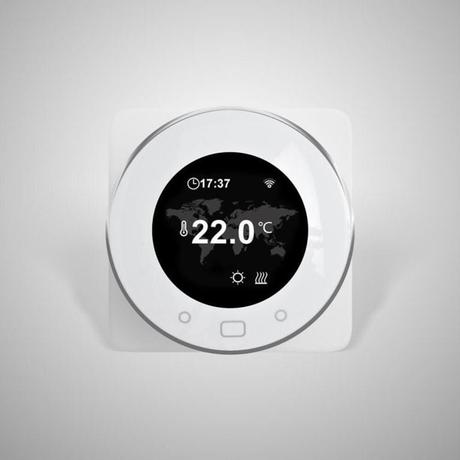
WiFi and smart electric radiators
WiFi-enabled and smart electric radiators connect to an app on a smartphone or device, allowing users to:
- Control heating remotely
- Adjust zones individually
- Track usage
- Reduce wasted energy
If you’re making the decision to invest in electric heating, smart control is often worth it to make the most of your new setup, and ensure lower long-term running costs.
Lot20 compliance (UK energy efficiency regulations) guarantees that modern electric radiators must include advanced control functionality, so most reputable brands or models now meet this standard.
Step 5: What installation type for electric radiators?
Electric radiators are flexible and typically non-disruptive from an installation perspective, but you still need to consider setup prior to purchase.
Wall-mounted electric radiators
- Most common option
- Permanent fixture
- Clean aesthetic
- Ideal for full-room heating
Plug-in portable heaters
- Flexible
- Lower commitment
- Suitable for temporary heating
Hardwired electric radiators
- Cleaner installation
- No visible plug
- Typical preferred option for modern homes
If you are replacing storage heaters or completing a full switch from gas-powered heating, wall-mounted or hardwired options are usually recommended.

Which electric radiator is most efficient?
Electric radiator efficiency is dependent on correct sizing, proper insulation properties within a home, proper usage of smart control and the presence of the appropriate technology.
General overview:
- Ceramic core radiators offer the strongest heat retention
- Dry thermal radiators provide the best balance of speed and efficiency
- Oil-filled radiators are the finest option for stable long-term heating
- Infrared heaters deliver excellent targeted efficiency
It should be noted that no radiator, electric or otherwise, can compensate for poor insulation.
Choosing the right electric radiator: A quick checklist
How to choose the right electric radiator will depend on what you want from your system. Below is a very basic guide to selecting the ideal electric radiator for your main needs or requirements.
- For whole-room, steady comfort – Ceramic core radiators
- For faster response and flexibility – Dry thermal radiators
- For gentle overnight warmth – Oil-filled radiators
- For spot heating or high ceilings – Infrared heating
- For maximum control – WiFi-enabled or smart electric radiators
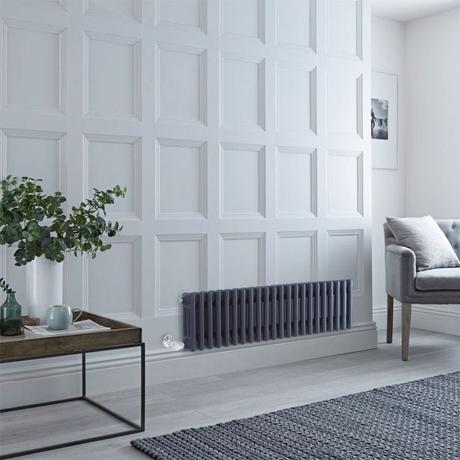
Selecting the perfect electric radiator with confidence from BestHeating
Selecting the perfect electric radiator for your home isn’t all about brand names or finishes, as much as you obviously want a stunning design to complement your interior.
It’s also about the size of the room it will be placed in, your typical usage habits, control preferences and installation bias. Striking the right balance between these factors can make your electric heating setup a highly efficient and controllable system that looks good, performs well, and saves on energy costs in the long term.
BestHeating offer an exquisite range of electric radiators, all Lot 20-compliant, including ceramic core radiators, dry thermal radiators, oil-filled electric radiators, smart options and much more. Shop online today, and let us know all about your electric heating upgrades by reaching out on Instagram, Facebook or X.