Traditional tailoring, premium craftsmanship and meticulous approach to garments are highly esteemed by Teija Eilola. The Finnish-born designer employs age-old practices often evoking the Victorian era, which she applies particularly in the shirts of her collections. After all, it is these distinctive features that keep her clients coming back to her. We caught up with Teija during the presentation of her upcoming Autumn/Winter 2015 collection at London Fashion Week to discuss the production of her garments, and why “you cannot buy a Teija shirt that is not beautifully finished.”
How do you get from an initial idea to the final production of a collection?
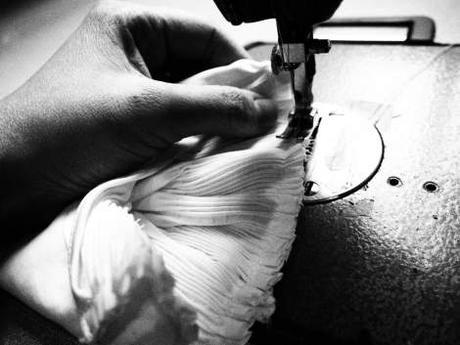
Every Teija collection is reiteration of original designs but in a different way, in a new light. Teija label is about looking into old cuts and techniques – when I say old, I mean sometimes 1800s shirts, for instance, and reusing them in a modern way. The ideas are then remade, reconstructed, refinished. This makes every collection improve on how the ideas are defined. And, also, the great thing is the collections tie together so you can wear several seasons in one outfit.
So to reply to your question, by rethinking the core ideas, exploring ways of bringing new materials or textures into the collection, sketching and draping these and then creating new shapes. And by having some moments of excitement about new discoveries; that is important.
Please describe the process of turning a sketch into an actual design.
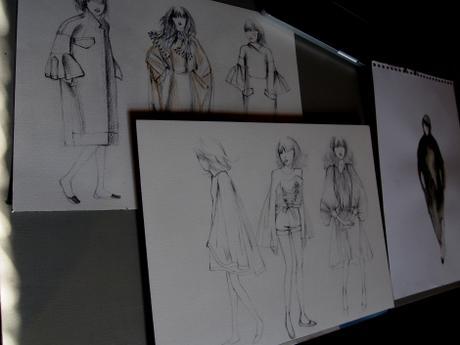
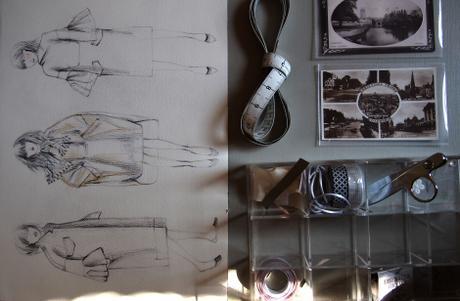
Lot of designs do not come from a sketch; they come from a thought. I then put the idea either on paper or I drape it on the stand. Sometimes I just go and make a pattern and a sample so I can see the idea immediately as a whole piece to see if it works. Important part is to make sure that the pieces work together as a collection. I know my shirts now inside out, and so often I decide what I need it to be and just go ahead and do it; mostly it works out ok.
What are the main techniques you typically use in your collections?
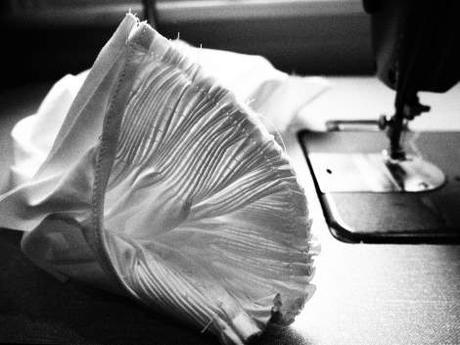
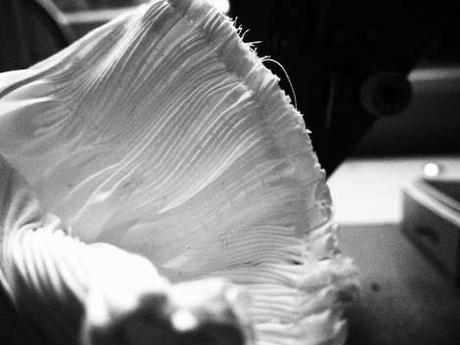
Smocking, bonding, fusing. It springs from traditional tailoring of building up the fabric to the shape.
Which materials do you most frequently use for crafting your clothes?
Different cottons like bonded cotton, for instance. I like mixing silks and cotton together. And knitted lamb’s wool with lamb nappa skins.

Which are the details you use to adorn your clothes and how do you create them?
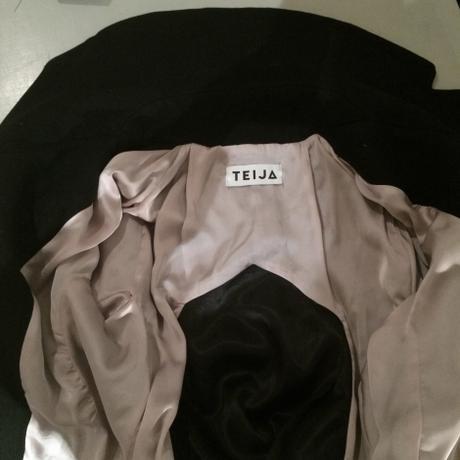
The collection has a fair bit of just classic details that are then cut and finished in Teija way. So if it is a shirt collar, it is studied, fused, trimmed to be distinctly Teija collar. And these details really make an important part of the brand. You cannot buy a Teija shirt that is not beautifully finished.
Puffy sleeves and elaborate necks; which techniques do you employ to create them?
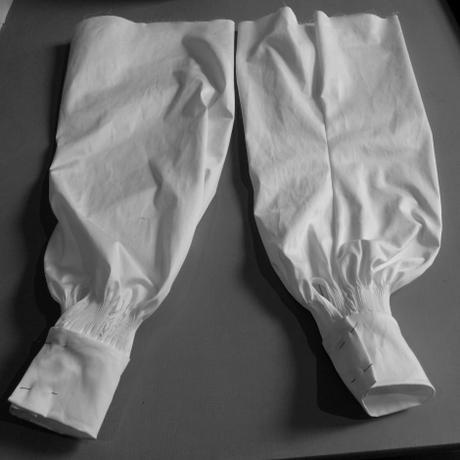
The white shirts in the collection are very distinct. They came from an idea in the beginning where I was studying medieval cuts and shirts; and the ideas keep on building on the previous ones. So, where it is now, the answer is really where it has come from: the original studies of the shirt with hand-finished gathering and smocked details.
Why do you keep the color palette in your collections basic?
My specialty is in the cut. If you had lot of colors or prints in the collection, you would not be able to see the cut. The bareness of the palette really opens the chance to see how the garments are made, the luxury of having lot of thought gone into the finish and make. Also for me, there is nothing brighter than a clean cut white shirt.
What is the most important thing to bear in mind when it comes to garment construction, fit and finishes?
It is worth doing every step carefully and mindfully. The beauty is in everything being done with consideration. I was told this by my technician at the Royal College when I was learning traditional tailoring.

What is the one thing anyone interested in fashion design should know about textiles and fabrics?
You can change fabrics by how you fuse, steam or cut them. You do not need to take fabric at face value. It can be always sculpted like anything else. Sometimes you might need to fuse fabric three times to get the right result.
Remember our first interview with Teija Eilola here!
Images © Teija Eilola
A.