


Starting a fitness journey can be intimidating, especially when you’re not sure where to begin or don’t have access to a gym. At-home workouts that focus on bodyweight exercises offer a convenient, affordable, and effective solution.
These exercises help build strength and muscle mass, improve aerobic fitness, and manage fat mass. By clearing out a space in any room, you can get exercising quickly and effectively.
Key Takeaways
- Convenient and affordable way to start a fitness journey
- Bodyweight exercises help build strength and muscle mass
- Improves aerobic fitness and manages fat mass
- No gym membership required
- Easy to get started with minimal space
Why Home Workouts Are Effective
Home workouts offer a flexible and efficient way to stay fit without the need for a gym membership. They provide an opportunity to exercise in the comfort of your own space, at any time that suits you.
Benefits of Working Out at Home
Working out at home has several benefits, including convenience, privacy, and cost-effectiveness. You can save time that would be spent commuting to a gym and avoid the intimidation factor that some people experience in a public gym setting.
As noted by fitness experts, “Home workouts can be just as effective as gym workouts if done correctly.” This is because the effectiveness of a workout is not solely dependent on the location, but on the intensity and consistency of the exercise routine.
Equipment vs. No Equipment
One of the key considerations for home workouts is whether to use equipment or rely on bodyweight exercises. Here are some key points to consider:
- Bodyweight exercises require zero equipment and can provide a challenging full-body workout for beginners.
- Adding simple equipment like dumbbells or resistance bands can help increase the intensity of your workouts as you progress.
- No-equipment workouts are ideal for travel or when space is limited, ensuring you can maintain your routine anywhere.
The best approach for most beginners is to start with bodyweight exercises and gradually incorporate equipment as fitness improves. This allows for progressive overload, which is important for continued strength gains.
“The key to a successful home workout is consistency and progressive overload.”
Getting Started with Home Workouts
Before diving into home workouts, consider the basics to get started on the right foot. Establishing a solid foundation is crucial for a successful fitness journey.
Creating a Dedicated Workout Space
Designate a specific area for your workouts to help you stay focused. This space should be free from distractions and have enough room to move around comfortably. Having a dedicated workout space can significantly enhance your motivation and overall workout experience.
Setting Realistic Goals
Begin by assessing your current fitness level honestly to establish an appropriate starting point. Set SMART goals (Specific, Measurable, Achievable, Relevant, Time-bound) rather than vague objectives. For beginners, aim to complete 2-3 workouts per week, gradually increasing frequency as your fitness improves. Focus on consistency rather than intensity when first starting out—a 15-minute workout you actually complete is better than planning hour-long sessions you skip. For more information on creating an effective home workout plan, visit Healthline’s guide on at-home workouts or explore WebHealthGuru’s home fitness exercises. Tracking your progress regularly will help you stay motivated and adjust your workout routine as needed, making the most of your time.
Essential Equipment for Home Workouts
The right equipment can enhance your home workout experience, making it more effective and enjoyable. You don’t need a fully equipped gym to get started; a few key pieces can make a significant difference.
No-Equipment Options
Believe it or not, you can have an effective workout at home without any equipment at all. Bodyweight exercises like push-ups, squats, and lunges are great examples.
Basic Equipment Recommendations
For those looking to add some variety, dumbbells are a great starting point. Adjustable dumbbells are particularly useful as they replace multiple sets of weights and take up minimal space.
Space-Saving Equipment Ideas
Other space-saving options include door-mounted pull-up bars, resistance bands, and foldable exercise mats. These tools are not only effective but also convenient for home use.
Understanding Workout Terminology
As you begin your home workout journey, understanding the language of exercise is crucial for success. Familiarizing yourself with key terms will help you follow workout instructions correctly and get the most from your training.
Sets, Reps, and Rest Periods
When starting a workout routine, you’ll often come across terms like “sets,” “reps,” and “rest periods.” A set refers to a group of repetitions of an exercise, while a rep (short for repetition) is a single completion of that exercise. For example, doing 3 sets of 10 reps means you’ll perform the exercise 10 times, rest, and then repeat that process 3 times. Rest periods are the breaks between sets, allowing your muscle to recover.
Common Exercise Terms
Other essential terms include “form,” “range of motion,” “tempo,” and “failure.”
“Form” refers to the proper body alignment and movement pattern during an exercise to maximize effectiveness and prevent injury.
Understanding these terms will help you performrepscorrectly and achieve your fitness goals. Key terms to know include:
- Range of motion: How far you move a joint during an exercise.
- Tempo: The speed at which you perform each rep.
- Failure: Continuing reps until you can’t complete another one with proper form.
Warming Up Before Your Workout
A proper warm-up is the foundation of an effective workout routine. It prepares your body for the upcoming exercises, reducing the risk of injury and improving performance. A good warm-up should include a combination of cardio and dynamic stretching to get your heart rate up and your muscles ready for more intense activity.
Warming up is not just about getting your heart rate up; it’s also about preparing your joints and muscles for the movement and range of activities you are about to perform.
Dynamic Stretching Routine
Dynamic stretching involves moving your body through a range of motions, mimicking the exercises you’ll be doing during your workout. Examples include leg swings, arm circles, and torso twists. This type of stretching helps increase blood flow to your muscles and improves flexibility.
Mobility Exercises
Mobility exercises focus on improving the range of motion in your joints for better movement quality. Include exercises like hip circles, shoulder rotations, and ankle mobilizations in your warm-up routine. Regular mobility work can help prevent common injuries and address imbalances in the body. Even 5 minutes of targeted mobility exercises can significantly improve your workout quality.
Beginner Bodyweight Exercises for Upper Body
Building upper body strength is crucial for overall fitness, and bodyweight exercises can be highly effective. These exercises work multiple muscle groups, improving overall physical fitness and enhancing daily activities.
Push-Ups and Modifications
Push-ups are a fundamental exercise for building upper body strength, targeting the chest, shoulders, and triceps. To modify, start on your knees instead of your toes to reduce the intensity. As you build strength, progress to traditional push-ups on your toes.
Tricep Dips
Tricep dips are an effective exercise for targeting the triceps, using your body weight to build strength in the muscles of your upper arm. Use a chair or bench to perform this exercise, keeping your back straight and lowering your body by bending your elbows.
Plank Variations
Planks are excellent for building core strength and stability while engaging the shoulders and back. Start with a forearm plank, holding for 20-30 seconds and gradually increasing duration as you get stronger. Ensure your body forms a straight line from head to heels, with no sagging in the hips or lower back. You can perform this exercise on the floor, using your forearms for support.
Beginner Bodyweight Exercises for Lower Body
Building strong legs and glutes is vital for overall fitness and can be achieved with simple bodyweight exercises. These exercises target key muscle groups, improving strength, stability, and overall lower body function.
Squats and Variations
Squats are a fundamental exercise that targets the legs, glutes, and hip. To perform a squat, stand with your feet hip-width apart, then lower your body down until your thighs are parallel to the ground. Variations include sumo squats and squat jumps, which add diversity to your workout.
Lunges and Modifications
Lunges are another effective exercise for the lower body, targeting the legs and glutes. To perform a lunge, step forward with one foot and lower your body until your back knee almost touches the ground. Modifications include walking lunges and side lunges, which challenge different muscle groups.
Glute Bridges
Glute bridges are performed by lying on your back with your knees bent and feet flat on the floor. Pushing through your feet, raise your hips toward the ceiling, squeezing your glutes at the top. This exercise targets the posterior chain, particularly the glutes and hamstrings, while engaging your core. To increase difficulty, try single-leg glute bridges or elevate your feet on a low bench or step.
Core-Strengthening Exercises for Beginners
Building a strong core is vital for maintaining good posture and preventing injuries. A strong core also enhances overall stability and balance, making it easier to perform daily activities and other exercises.
Basic Abdominal Exercises
Beginners can start with simple abdominal exercises like planks and crunches. These exercises target the core muscles, improving overall strength and stability. To perform a plank, lie on your stomach with your arms extended and lift your body off the floor, holding for as long as possible.
Lower Back Strengthening
The Superman exercise is excellent for strengthening the lower back muscles. To perform this exercise, lie on your stomach with your arms and legs extended. Keeping your neck neutral, recruit your core and the back of your body to simultaneously raise your arms and legs off the floor. Hold for a second, then slowly lower back to the start position.
As you get stronger, you can increase the duration and intensity of these exercises. Remember to focus on engaging your core and back muscles throughout each exercise.
Complete 20-Minute Beginner Workout Routine
Embarking on a fitness journey can be as simple as dedicating 20 minutes to a beginner-friendly workout routine. This concise workout is designed to be efficient, helping you build strength without requiring a significant time commitment.
Full-Body Circuit
A full-body circuit is an effective way to work multiple muscle groups in a short amount of time. For beginners, start with bodyweight exercises like squats, push-ups, and lunges, aiming for 3 sets of 8-12 reps. This not only improves overall fitness but also enhances muscular endurance.
How to Track Progress
Tracking your progress is crucial for staying motivated and adjusting your workout routine as needed. Keep a workout journal to record the exercises, reps, and sets you complete. Monitoring your progress helps in understanding how far you’ve come and what adjustments are needed to continue improving.
- Maintain a simple log of your workouts, noting exercises, reps, and sets.
- Record your feelings during the workout and any exercise modifications.
- Take progress photos every 2-4 weeks to track visual changes.
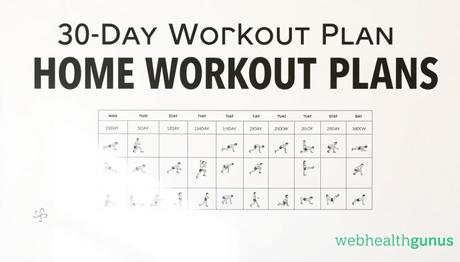
30-Day Home Workout Plan for Beginners
Embarking on a 30-day home workout plan can be a transformative experience for beginners. This plan is designed to help you establish a consistent exercise routine and improve your overall fitness.
Building Foundation: Weeks 1-2
During the first two weeks, focus on building a foundation with bodyweight exercises that work on major muscle groups. Start with lower intensity workouts and gradually increase the difficulty as your body adapts. Incorporate exercises like squats, push-ups, and lunges into your routine.
Increasing Intensity: Weeks 3-4
As you progress into weeks 3 and 4, it’s time to increase the intensity of your workouts. You can do this by adding more reps, sets, or introducing new exercises that challenge your muscles. This will help you continue making progress and avoid plateaus.
Rest and Recovery Days
Rest days are crucial for allowing your muscles to recover and grow. Schedule at least 2-3 rest days per week, especially when you’re just starting out. On rest days, consider light activities like walking or gentle stretching to aid recovery without taxing your muscles. Ensure you’re getting adequate sleep (7-9 hours) to maximize recovery between workouts.
- Rest days are essential for muscle recovery and growth, not a sign of laziness.
- Listen to your body—if you’re excessively sore or fatigued, take an extra rest day rather than pushing through.
Home Workout Routines for Beginners
Establishing a consistent home workout routine can be a game-changer for beginners. Having a variety of routines can help keep workouts interesting and prevent plateaus. Here are a few routines tailored for different times of the day.
10-Minute Morning Energizer
Start your day with a 10-minute morning energizer that focuses on dynamic movements to get your body moving. Incorporate exercises like jumping jacks, mountain climbers, and burpees to increase your heart rate and wakefulness.
15-Minute Lunch Break Workout
A 15-minute lunch break workout can be a great way to refresh your mind and stretch your muscles. Try bodyweight exercises like squats, push-ups, and lunges to boost energy and productivity.
20-Minute Evening De-stress Routine
This evening routine combines strength and stretching to release stress after a long day. Begin with 10 minutes of strength work focusing on large muscle groups to release endorphins. Follow with 10 minutes of gentle stretching to improve flexibility and reduce muscle tension.
- This combination helps reduce cortisol levels and prepare your body for restful sleep.
- Perform this routine at least 1-2 hours before bedtime for optimal relaxation benefits.
Adding Cardio to Your Home Workout
Adding cardio to your home workout routine can be straightforward and effective. Cardiovascular exercises are crucial for improving heart health, increasing stamina, and burning calories. By incorporating cardio into your routine, you can enhance your overall fitness and complement your strength training exercises.
Simple Cardio Exercises Without Equipment
You don’t need any equipment to do effective cardio exercises at home. Simple exercises like jumping jacks, burpees, and running in place can get your heart rate up and keep you moving. These exercises are great because they can be modified to suit your fitness level and are easy to fit into a busy schedule.
Incorporating HIIT for Beginners
High-Intensity Interval Training (HIIT) is a time-efficient way to improve cardiovascular fitness. For beginners, start with a 1:2 work-to-rest ratio, such as 20 seconds of intense exercise followed by 40 seconds of rest. Choose exercises you can perform with good form, like squats or push-ups, and begin with just 10 minutes of HIIT. As your fitness improves, you can gradually increase the duration and intensity of your workouts.
Progressing Your Home Workouts
As you get comfortable with your home workout routine, it’s essential to challenge yourself to continue making progress. This ensures that you keep building strength and avoid plateaus.
When to Increase Difficulty
You know it’s time to increase the difficulty when you can complete your exercises with ease. This is a sign that your muscle has adapted, and it’s time to move forward.
- Pay attention to your body‘s signals.
- Gradually increase the challenge to avoid injury.
Advanced Variations of Basic Exercises
To continue making progress, try these advanced variations:
- Advance from knee push-ups to standard push-ups, then to decline push-ups.
- Progress from regular squats to jump squats or single-leg squats.
- Move from standard planks to side planks or plank with leg lifts.
Adding a pause at the hardest point of an exercise increases the challenge without changing the movement pattern.
Common Mistakes Beginners Make
Embarking on a home workout journey can be daunting, and newcomers often make errors that impact their results. When starting a new exercise routine, it’s essential to be aware of the common pitfalls that can hinder progress.
Form and Technique Issues
One of the most significant mistakes beginners make is neglecting proper form and technique. This can lead to injuries and reduce the effectiveness of the workout. Ensuring that exercises are performed correctly is crucial for targeting the right muscle groups and achieving desired results. For example, when doing squats, it’s essential to keep your back straight and lower your body down to the correct depth.
- Poor posture during exercises
- Insufficient range of motion
- Using too much weight or resistance
Overtraining Risks
Beginners often mistakenly believe that more is always better, leading to overtraining and potential injury. Signs of overtraining include persistent soreness, decreased performance, disrupted sleep, and increased susceptibility to illness. Adequate rest and recovery are crucial for allowing the body to repair and strengthen itself. For beginners, 3-4 workout days per week with rest days in between is typically optimal.
- Persistent soreness
- Decreased performance
- Disrupted sleep patterns
To avoid overtraining, it’s essential to listen to your body and adjust your workout routine accordingly. For more information on common beginner fitness mistakes, visit https://www.gofit-gym.com/common-beginner-fitness-mistakes/.
Staying Motivated with Home Workouts
Staying motivated with home workouts can be challenging, but with the right strategies, you can achieve your fitness goals. Establishing a consistent routine is crucial for making progress and maintaining motivation.
Setting Up a Routine
To stay on track, it’s essential to schedule your workouts at the same times every week. Consistency helps create a habit, making it easier to stick to your routine. For more tips on creating a consistent routine, check out our guide on how to create a healthy morning.
Tracking Progress
Monitoring your progress is vital for staying motivated. Keep a workout journal or use a fitness app to track your exercises, sets, and reps. Seeing your improvements can boost your motivation and encourage you to continue.
Finding Workout Buddies
Having an accountability partner can significantly enhance your home workout experience. You can:
- Find a friend or family member to follow the same program and check in with each other regularly.
- Join online fitness communities where you can share progress and challenges with like-minded people.
- Schedule virtual workout sessions with friends to exercise together from your respective homes.
- Share your goals publicly (on social media or with friends) to create external accountability.
Conclusion
Home workout routines for beginners offer a convenient and accessible path to fitness. You don’t need a gym membership to get fit; with a few simple exercises, you can start your fitness journey from the comfort of your home.
Remember, consistency is key. Even simple workouts done regularly will yield results over time. It’s essential to listen to your body and adjust the intensity and rest as needed. As you progress, continue challenging yourself with new exercises and increased difficulty to avoid plateaus.
The most successful fitness routine is one that you enjoy and can maintain as part of your lifestyle for the long term. With these simple home workout routines, you can take the first step towards a healthier, more active you. Start your home workout today and experience the benefits of a consistent workout routine.
FAQ
What are the best bodyweight exercises for beginners?
The best bodyweight exercises for beginners include push-ups, squats, lunges, planks, and glute bridges. These exercises work multiple muscle groups and can be modified to suit different fitness levels.
How often should I do strength training exercises per week?
It’s recommended to do strength training exercises at least 2-3 times per week, targeting all major muscle groups. This can help improve overall muscle strength and endurance.
What is the ideal duration for a beginner’s workout routine?
The ideal duration for a beginner’s workout routine is around 20-30 minutes, including warm-up and cool-down exercises. This can help prevent burnout and improve adherence to the routine.
Can I lose weight with bodyweight exercises alone?
Yes, it’s possible to lose weight with bodyweight exercises alone, as long as you’re creating a caloric deficit by burning more calories than you consume. Combining bodyweight exercises with a healthy diet can help support weight loss.
How do I progress my workout routine as I get stronger?
To progress your workout routine, you can increase the number of reps or sets, modify exercises to make them more challenging, or add cardio exercises to your routine. This can help continue to challenge your muscles and improve overall fitness.
What are some common mistakes to avoid when starting a new workout routine?
Common mistakes to avoid include poor form and technique, overtraining, and not listening to your body. It’s essential to start slowly, focus on proper form, and rest when needed to avoid injury or burnout.
Can I do HIIT (High-Intensity Interval Training) at home?
Yes, HIIT can be done at home with bodyweight exercises or minimal equipment. HIIT involves short bursts of high-intensity exercise followed by brief periods of rest, which can be an effective way to improve cardiovascular fitness and burn calories.
The post Simple Home Workout Routines for Beginners to Follow first appeared on Webhealthguru.







