


Achieving weight loss without dieting can be challenging, but it’s not impossible. By making a few simple changes to your lifestyle and behavior, you can reach your goals more easily.
The key to successful weight management is maintaining a calorie deficit, which means consuming fewer calories than you burn during the day. This can be achieved through a combination of sustainable lifestyle changes rather than relying on restrictive diet plans.
By focusing on healthier habits and building a positive relationship with food, you can achieve lasting results. This approach emphasizes behavioral modifications rather than calorie counting or food restrictions, making it a more sustainable solution.
Key Takeaways
- Focus on sustainable lifestyle changes rather than restrictive diet plans.
- Maintain a calorie deficit by consuming fewer calories than you burn.
- Build a healthier relationship with food through behavioral modifications.
- Avoid calorie counting and food restrictions for a more balanced approach.
- Emphasize overall health and well-being for lasting weight management.
Why Traditional Diets Often Fail
Despite their popularity, traditional diets frequently fail to deliver sustainable weight loss results. This is often due to their restrictive nature, which can be difficult to maintain in the long term.
The Problem with Restrictive Eating
Restrictive eating, a common trait of traditional diets, can lead to feelings of deprivation and frustration. This approach often results in a cycle of weight loss followed by weight regain, as individuals struggle to maintain such strict eating habits.
Sustainable Approaches to Weight Management
A healthy weight is more likely achieved through a balanced lifestyle that incorporates healthy habits, rather than through restrictive dieting. Sustainable weight management focuses on gradual, permanent changes to eating and physical activity habits, promoting a long-term approach to achieving and maintaining a weight loss weight.
- Making gradual changes to eating habits can lead to more sustainable weight loss.
- Listening to your body’s hunger and fullness cues is crucial for mindful eating.
- Creating a lifestyle that supports a healthy weight is more effective than following different diet plans.
The Science Behind Weight Loss Without Dieting
Understanding the science behind weight loss without dieting can be a game-changer for those seeking a healthier lifestyle. It’s about adopting a sustainable way to manage weight, focusing on long-term results rather than quick fixes.
Understanding Calorie Balance
Achieving weight loss begins with understanding calorie balance. It’s essential to consume fewer calories than you burn, creating a deficit that leads to weight loss. Eating a nutritionally balanced diet is crucial in maintaining this balance.
Behavioral Changes vs. Diet Plans
Research indicates that habits, not willpower, drive most eating decisions. Thus, making small behavioral changes can be more effective than following strict diet plans. By changing your environment and routines, you can make healthy choices easier, integrating these changes into your lifestyle.
Mindful Eating Practices
The practice of mindful eating involves paying attention to the experience of eating and can lead to healthier eating habits. By being more aware of our food choices and the process of eating, we can better understand our hunger and fullness cues.
Chewing Thoroughly and Eating Slowly
Eating slowly and chewing thoroughly allows the body to register feelings of fullness, potentially reducing overall calorie intake. This practice helps in savoring food and enjoying the meal more fully.
Eliminating Distractions During Meals
A conducted in 2022 found that eating while distracted, such as watching TV or talking with others, can lead to increased weight gain. When eat without distractions, they are more likely to notice when they are satisfied, leading to healthier eating patterns.
Smart Portion Control Strategies
Understanding how to manage our food portions is essential for a balanced diet. Effective portion control can make a significant difference in our overall weight and well-being.
Using Smaller Plates and Bowls
Using smaller plates and bowls is a simple yet effective way to control the amount of food we eat. Research has shown that a bigger plate can make a serving look smaller, causing us to add more food. Consider serving nutrient-dense, lower-calorie foods on bigger plates and high-calorie foods on smaller plates.
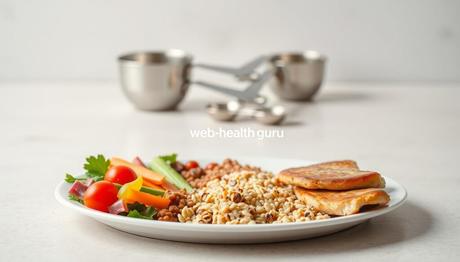
Visual Cues That Affect How Much We Eat
Studies have found that visual cues significantly influence how much we eat, often without our conscious awareness. For example, people eat more from transparent containers than opaque ones simply because they can see the food. To manage our portions effectively, we can use visual portion guides, such as using our hand to estimate proper portions, and keep unhealthy foods out of sight to reduce temptation. For more information on effective weight loss systems, visit https://webhealthguru.com/best-weight-loss-system/.
Protein-Rich Foods for Weight Loss Without Dieting
Protein plays a crucial role in managing weight without resorting to dieting. It is a vital nutrient that not only helps in building and repairing body tissues but also significantly contributes to weight loss efforts.
How Protein Increases Fullness
Protein takes more energy to digest than carbohydrates or fat, which can increase metabolism and help reduce hunger. High protein foods like lean meats, fish, and eggs can lead to a feeling of fullness, making it easier to manage weight. According to a 2020 study, participants who consumed a high protein breakfast experienced less hunger and ate fewer calories later in the day.
Best Protein Sources for Weight Management
For effective weight management, incorporating a variety of protein-rich foods is essential. Lean animal proteins such as chicken, turkey, and fish are excellent sources. For those preferring plant-based options, high protein vegetarian foods like lentils, chickpeas, and tofu are great alternatives. Greek yogurt and eggs are also versatile and nutritious choices that can be easily included in daily meals.
The Power of Fiber in Weight Management
Fiber plays a crucial role in maintaining a healthy weight without resorting to dieting. A well-balanced food plan rich in fiber can help individuals manage their weight more effectively, supporting overall health.
How Fiber Promotes Fullness
Fiber promotes fullness by slowing down digestion and keeping you feeling fuller for longer. Viscous fiber, found in plant foods like beans, oat cereals, and Brussels sprouts, is particularly effective at promoting satiety.
Top Fiber-Rich Foods to Include Daily
Some of the top fiber-rich foods include:
- Berries, which are among the highest fiber fruits and also contain antioxidants that support overall health.
- Legumes like beans, lentils, and chickpeas, which provide both fiber and protein, making them especially satiating.
- Whole grains such as oats, quinoa, and brown rice, which contain significantly more fiber than their refined counterparts.
- Nuts and seeds, particularly chia seeds and flaxseeds, which are concentrated sources of fiber that can easily be added to many dishes.
For more information on healthy eating, visit Healthy Food for Lunch to Lose.
Hydration Strategies for Natural Weight Loss
Drinking enough water is a simple yet effective way to support weight loss efforts. Staying hydrated helps in managing hunger and boosting metabolism.
Drinking Water Before Meals
Consuming water before meals can lead to reduced calorie intake. Studies suggest that it helps in creating a feeling of fullness, thereby reducing the overall amount of food consumed.
Replacing Sugary Beverages with Healthier Options
High consumption of sugar-sweetened beverages is linked to greater weight gain and increased risk of obesity and heart disease. Replacing these with water, unsweetened tea, or sparkling water can lead to significant weight loss. For instance, infusing water with fruits or herbs can add flavor without calories, making it a healthier choice.
For more tips on creating healthy habits, visit our guide on how to create a healthy morning.
Home Cooking for Better Weight Management
Preparing meals at home allows for greater control over ingredients and portion sizes, aiding in weight loss and overall health. By understanding what’s in your food and how to prepare it, you can make informed decisions that support your well-being.
Benefits of Preparing Your Own Meals
Cooking at home offers numerous benefits, including the ability to choose healthier ingredients and manage meal portions effectively. A 2017 study found that meal planning was associated with improved diet quality and a reduced risk of obesity. By preparing your own meals, you can ensure that your diet is rich in nutrients and tailored to your needs.
Simple Meal Planning Tips
Effective meal planning can save time during busy weekdays and prevent unhealthy food choices. Here are some strategies to make meal planning easier:
- Spend a few hours each weekend planning and prepping meals for the week.
- Batch cook staples like grains, proteins, and roasted vegetables to create building blocks for quick, nutritious meals.
- Create a rotating menu of your favorite healthy meals to reduce decision fatigue and make grocery shopping more efficient.
For more healthy dinner ideas, you can visit healthy dinner recipes for inspiration.

Sleep and Stress Management for Weight Control
Effective weight management involves more than just diet and exercise; it also requires adequate sleep and stress management. When you don’t get enough sleep or are under a lot of stress, it can affect your body’s ability to regulate weight.
How Sleep Affects Weight-Regulating Hormones
Sleep plays a crucial role in regulating hormones that control hunger and fullness. Lack of sleep can disrupt this balance, leading to increased appetite and calorie intake. For more information on sleep hygiene techniques, visit https://webhealthguru.com/sleep-hygiene-techniques/.
Stress Reduction Techniques for Weight Management
Chronic stress can lead to emotional eating and poor food choices. Practicing mindfulness, meditation, and deep breathing can help reduce stress and support weight management. Regular physical activity and adequate sleep also contribute to a healthy body and weight control. Studies have shown that managing stress is crucial for maintaining a healthy weight https://pmc.ncbi.nlm.nih.gov/articles/PMC9031614/.
The Role of Gut Health in Weight Loss
Gut health plays a crucial role in weight management, and understanding this relationship can be key to successful weight loss. The gut microbiome influences various physiological processes, including metabolism, appetite regulation, and fat storage.
Probiotics and Weight Management
Probiotics are beneficial bacteria that can aid in weight management by improving gut health. They help maintain a balanced gut microbiome, which is essential for optimal metabolic function. Research suggests that certain probiotic strains can influence weight loss by enhancing fat breakdown and reducing fat absorption.
Fermented Foods to Include in Your Diet
Incorporating fermented foods into your diet is an effective way to boost your probiotic intake. Foods like yogurt with live active cultures, kefir, sauerkraut, and kimchi are rich in beneficial bacteria. Other options include tempeh, miso, and kombucha. These foods not only provide probiotics but also offer additional nutritional benefits, such as protein, fiber, and antioxidants.
Building Sustainable Habits for Long-Term Weight Loss Without Dieting
Achieving long-term weight loss without dieting requires a focus on sustainable habits. This involves making gradual changes to your daily routine that promote a healthy weight and overall well-being.
Creating a Balanced Lifestyle Approach
A balanced lifestyle is key to maintaining weight loss over time. This includes incorporating physical activity into your daily routine, such as walking for at least 30 minutes a day. The Centers for Disease Control and Prevention (CDC) recommend aiming to lose 1 to 2 pounds weekly, which can be achieved by creating a calorie deficit of 500 to 1000 calories per day through a combination of diet and exercise.
Setting Realistic Goals and Expectations
Setting realistic goals is crucial for successful weight loss. This means aiming to lose 1-2 pounds per week, as recommended by the CDC. To achieve this, consider the following strategies:
- Break larger goals into smaller, achievable milestones.
- Focus on behavior-based goals, such as eating vegetables with every meal.
- Track non-scale victories like improved energy or better sleep.
Understanding that healthy weight loss takestimehelps maintain motivation.
Conclusion
Sustainable weight loss is about making small, consistent changes to your daily habits rather than following restrictive eating plans. By focusing on mindful eating, proper hydration, quality sleep, stress management, and gut health, you create a foundation for natural weight regulation. These approaches not only support weight management but also improve overall health, potentially reducing risk factors for heart disease, diabetes, and other chronic conditions.
It’s essential to remember that weight loss is a personal journey, and what works best will vary based on individual preferences, lifestyle, and health considerations. Consulting with healthcare professionals can provide personalized guidance, especially for those with underlying health conditions. The most successful approach is one you can maintain for life – focus on creating healthy habits you enjoy rather than temporary diet restrictions.
FAQ
What are some effective ways to lose body fat naturally?
Incorporating protein-rich foods, high-fiber foods, and healthy beverages into your daily routine can help. Additionally, practicing mindful eating, controlling portion sizes, and staying hydrated can also support natural weight management.
How does sleep affect my ability to manage my body mass?
Getting adequate sleep is crucial, as it helps regulate hormones that control hunger and fullness. Poor sleep quality can lead to increased cravings for unhealthy foods and decreased motivation to engage in physical activity.
Can certain foods help reduce my risk of heart disease?
Yes, consuming fiber-rich foods, such as fruits, vegetables, and whole grains, can help lower cholesterol levels and reduce the risk of heart disease. Additionally, incorporating healthy fats, like those found in nuts and avocados, can also support heart health.
How can I manage stress to support my overall health and wellbeing?
Engaging in stress-reducing activities, such as meditation, yoga, or deep breathing exercises, can help. Additionally, prioritizing self-care, getting enough sleep, and staying hydrated can also help mitigate the negative effects of stress.
What role does gut health play in my overall health?
Maintaining a healthy gut microbiome is essential, as it supports the immune system, aids in digestion, and even influences weight management. Incorporating probiotics and fermented foods into your diet can help promote a balanced gut.
Are there any beverages that can support my weight management goals?
Yes, drinking water before meals can help reduce calorie intake, while replacing sugary beverages with healthier options, like unsweetened tea or coffee, can also support weight management.
How can I create a balanced lifestyle approach to support my long-term health goals?
Focusing on sustainable habits, such as regular physical activity, healthy eating, and stress management, can help. Additionally, setting realistic goals and prioritizing self-care can also support a balanced lifestyle.
The post Effective Weight Loss Without Dieting Tips first appeared on Webhealthguru.







