


There's a great and even important article out from last Fall to which more Americans---young and old---should all be exposed:
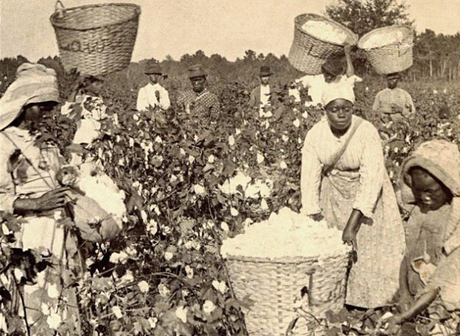
Top 6 Countries That Grew Filthy Rich From Enslaving Black People
I can't and won't post the entire article, of course, but this little snippet, on America alone, is pivotal:
Slavery transformed America into an economic power. The exploitation of black people for free labor made the South the richest and most politically powerful region in the country. British demand for American cotton made the southern stretch of the Mississippi River the Silicon Valley of its era, boasting the single largest concentration of the nation’s millionaires. But slavery was a national enterprise. Many firms on Wall Street such as JPMorgan Chase, New York Life and now-defunct Lehman Brothers made fortunes from investing in the slave trade the most profitable economic activity in New York’s 350 year history. Slavery was so important to the city that New York was one of the most pro-slavery urban municipalities in the North. According to Harper’s magazine (November 2000), the United States stole an estimated $100 trillion for 222,505,049 hours of forced labor between 1619 and 1865, with a compounded interest of 6 percent. _______________________ This, I think, on top of what the Atlantic Monthly wrote some months ago, keeps making more and more powerful cases for reparations for blacks and African-Americans in this country. On this, the 186th birthday of Leo Tolstoy, I'm reminded of this qutoe: "I sit on a man's back, choking him and making him carry me, and yet assure myself and others that I am very sorry for him and wish to ease his lot by all possible means - except by getting off his back."Link: The Case for Reparations - The Atlantic







