


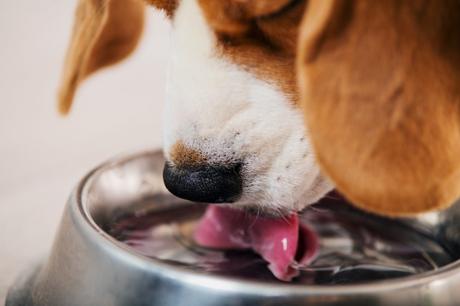
As a responsible dog owner, you strive to keep your pooch healthy and hydrated. You provide the tastiest, most nutritious foods and ensure their water bowl is always full. But do you ever consider the type and quality of water you offer them? Many pet parents feed their dogs tap water because it is relatively cheap and conveniently available at the tap. However, with hundreds of contaminants widespread in U.S. water systems, you might be concerned about whether tap water is safe for dogs to drink.
Ahead, we dive into the risks of tap water for dogs so you can make the best choice for their health, wellness, and longevity.
Can My Dog Get Sick from Drinking Tap Water?
Unfortunately, yes. While tap water might meet legal safety standards for humans, it can contain various additives and trace contaminants that could harm your furry friend, especially if they are very young or elderly, have sensitivities or underlying health issues, or are immunocompromised. Speaking of which, here are some common tap water contaminants and how they can affect your dog:
- Chlorine and chloramine are regularly added to tap water to kill harmful pathogens like bacteria and viruses. However, excessive amounts of these chemical disinfectants can irritate your dog’s gastrointestinal tract, leading to upset stomach, vomiting, gassiness, nausea, and the erosion of the esophagus.
- Fluoride in tap water is considered beneficial for dental health in small doses, but overexposure (fluoride toxicity) may damage your dog’s bones or joints and cause excessive drooling, diarrhea, vomiting, and seizures, the Family Pet Medical Centre
- Microorganisms, namely E. coli, Giardia, Salmonella, and Cryptosporidium, are notorious for causing diarrhea, vomiting, and severe infections and diseases in dogs, particularly in those with weakened immune systems due to age, illness, or stress.
- Hard water minerals, such as magnesium and calcium, are known for leaving crusty buildup on appliances, fixtures, and pipes. However, dogs that drink water with these hardness-causing minerals can suffer bladder damage or urinary infections if they get kidney stones from this water.
- Heavy metals like lead, copper, and mercury in a dog’s water raise the risk of kidney damage or nervous system issues in dogs over time. Lead, in particular, can cause behavioral changes (seizures, hysteria, aggression, depression, etc.), weight loss, vomiting, frothing at the mouth, lack of appetite, and other health problems in dogs at high-enough levels, according to one study.
Discover how city water treatment works and how to determine if your water is hard.
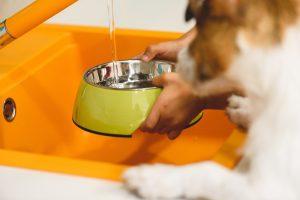
Signs Your Tap Water May Be Unsafe for Your Dog
Many tap water contaminants are invisible, tasteless, and odorless, so it’s hard to know they’re present until you or your dog gets sick or you notice another warning sign, such as persistent cloudiness or discoloration in the water, a strong chlorine-like odor or metallic taste, a sudden increase in urinary problems, or if your dog refuses to drink the water.
To verify if your tap water is contaminated, the EWG Tap Water Database provides detailed water quality insights based on your ZIP code. You can also access your community’s latest Annual Water Quality Report or request it from your water provider. This report will list the detected contaminants, their potential sources, and their concentration levels. For the most accurate results, however, consider purchasing a water test kit and having your water tested by a reputable laboratory.
Making Tap Water Safe for Dogs Through Water Filtration
If you want your dog to drink more water at home throughout the day and massively reduce their risk of sickness, most veterinarians recommend filtering your tap water. Investing in a high-quality water filtration system is a simple and effective way to ensure every sip your dog takes is as safe as it is refreshing. The Moen Reverse Osmosis Water Filtration System, for instance, can remove up to 99.9% of contaminants, including fluoride, heavy metals, chlorine, and total dissolved solids, from your cold tap water. It’s a point-of-use (POU) system commonly installed under your kitchen sink to conveniently treat water used for drinking, cooking, and other purposes. If you also want clean, filtered water in other household areas for various uses, such as bathing your dog, Springwell’s Whole-House Filter System is an excellent choice.
Learn about how reverse osmosis filtration works and if a whole-house water filter is right for you.
Benefits of Filtered Water for Dogs
Just like their parents, dogs need water for their survival and well-being, but not just any water. For the same reasons you wouldn’t knowingly drink water from a contaminated or poor-quality source, you should always provide clean water for your canine friend. Reasons why dogs need fresh, filtered water include:
- It improves your dog’s health. Pups that drink contaminated water are more likely to have a diagnosed health problem, such as a mild gastrointestinal issue or something more serious like cancer or organ damage. By providing your dog with clean, filtered water, you effectively reduce the chances of them developing these issues.
- It leads to better hydration in dogs. Dogs have unique taste buds specifically for water, which means they have a strong taste response to different water flavors. Consequently, your pup may resist drinking water or not consume enough to stay hydrated if the water smells or tastes unappealing.
- It can improve your dog’s behavior and mood. Dogs that drink fresh, clean water are usually more active and energetic. They typically also show signs of increased comfort and happiness. One possible reason for this is that filtered water works more efficiently to support vital processes, such as digestion, organ function, and temperature regulation.
Learn more about why pets need clean drinking water, too.

Final Thoughts: Is it okay to drink tap water?
Tap water is the go-to hydration source for dogs in many households. But while it may be convenient, it can sometimes contain various contaminants that may pose unnecessary risks to your canine companions. Even if you live in a state with the best tap water, it’s worth testing the water and filtering it to ensure your family members (including the furry ones) are getting the cleaner, safer water they deserve.
If you need help finding the best home water filter system for your home, please contact Springwell at 800-589-5592 or request a free consultation call. Our dog-loving expert team will happily answer any questions and help you find the right water filtration solution for you and your pets’ needs.
FAQs About Tap Water Safety for Dogs
How much water should a dog drink per day?
According to PetMD, dogs generally require approximately 1 ounce of water (1/8 cup) per pound of body weight daily. However, the amount can vary depending on the dog’s activity level, diet, and weather conditions.
Which water is best for dogs to drink?
Filtered water is the best water for dogs because, unlike tap water, it is clean, fresh, and free of lead, chlorine, arsenic, and other water contaminants that could cause sickness or trigger specific sensitivities in dogs.
What kind of water is good for dogs with kidney disease?
If your dog has kidney disease, reverse osmosis water is the safest and healthiest option, according to veterinary expert Dr. Linsay Barnes. Besides smelling and tasting great, RO-purified water is free of most contaminants and impurities that could worsen your dog’s kidney function, including chlorine, fluoride, lead, arsenic, and sodium.
Can I give my dog bottled water to drink?
Plain bottled water is generally safe for dogs and a good option if the quality of tap water is questionable. However, there’s a risk of microplastics and endocrine-disrupting chemicals, such as BPA (Bisphenol A), leaching from plastic bottles when heated. Bottled water can also be costly and less environmentally friendly than other types of water.






