According to the 2013 Canadian Community Health Survey, an estimated 3 million Canadians aged 18 years or older reported that they had a mood and/or anxiety disorder. Anxiety disorders are characterized by feelings of anxiety that go beyond worrying about everyday things like problems at work or school or dealing with life changes. People with anxiety disorders may have constant, uncontrollable fear that interferes with their lives.

(Source: Pexels.com)
As a result of the pressure brought about by your job, bills, family, and health concerns, it is so easy to be anxious these days. Some people may have anxiety during the early years of life, while some develop during adulthood. No matter what period of life the symptoms began to appear, it is likely that you are having a hard time dealing with anxiety.
Today, there are a number of treatments in order to manage anxiety. These include medical therapy through prescription drugs, psychotherapy, and lifestyle and personal management and coping strategies. Experts highly recommend a combination of these modalities should be done in order to manage anxiety. Some people resort to smoking as they commonly think that it could be the way to calm their nerves and deal with their feelings of anxiety. With that, in order to help you overcome your anxiety, here are six simple and effective ways that can surely help you.
Studies have shown that foods and drinks that you consume can actually impact your anxiety levels. It has been observed in scientific studies that participants who consumed more saturated fats and added sugars had significantly increased levels of anxiety compared to those who consumed fewer fats and less sugar. In fact, limiting the consumption of fast foods and processed foods, while promoting the intake of fruits, vegetables, healthy fats, and high-fiber foods is linked to an improved mood, making it easier to manage psychiatric conditions such as anxiety and depression.
In addition, studies also have shown that caffeine intake is connected to anxiety levels. Evidence shows drinking more than one cup of coffee per day is linked with increased anxiety. With that, it is recommended to reduce caffeine intake. It is also recommended drinking caffeine alternatives instead such as tea.
- Exercise

(Source: Pexels.com)
It is already proven in studies that performing regular exercise significantly improves anxiety levels. Anxiety and depression are linked with decreased levels of brain-derived neurotrophic factor (BDNF), a type of neurotrophin found in the brain. Studies show that there is an increase in the BDNF in the brain after exercise. This rise in the BDNF levels improves symptoms of anxiety.
With that, the Anxiety and Depression Association of America (ADAA) highly suggests at least 2.5 hours of moderate-intensity exercise or 1.25 hours of vigorous-intensity exercise each week or trying a combination of both. The ADAA suggests jogging, walking, cycling, or dancing three to five times a week for 30 minutes. You can also set smaller exercise goals that will make your exercise program feel more achievable.
Coping strategies that you can also do at home in order to decrease anxiety include practicing relaxation techniques like mindfulness, meditation, deep breathing, and progressive muscle relaxation. Studies have shown that people who regularly perform a technique known as mindfulness meditation observed reduced stress and anxiety.
Another way to improve your anxiety is to go out and connect with nature. Studies observed that people who use any of the human five senses in order to feel closer to nature, such as taking a walk in the park or the woods or even listening to sounds of nature, had a significantly improved mood and a more relaxed state.
- Try Taking Delta-8-THC
(Source: Pexels.com)
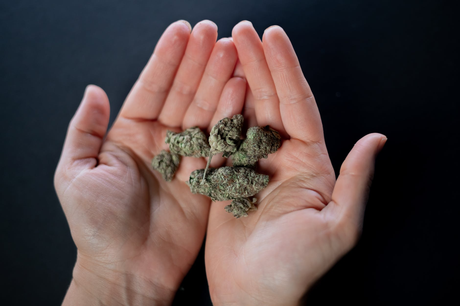
Delta-8-THC is well-known hemp-derived cannabidiol that interacts with the body through the Endocannabinoid System (ECS). The ECS is a system composed of neurotransmitters and neuroreceptors responsible to regulate a number of different bodily reactions.
Delta-8-THC is usually likened to Delta-9-THC, the predominant cannabinoid in the cannabis plant because it yields comparable psychoactive effects. Nonetheless, it should be noted that Delta-8-THC is frequently said to have lesser probable disadvantages, including that it is less likely to produce anxiety or paranoia than traditional THC products.
In addition to that, Delta-8-THC binds with both CB1 and CB2 receptors, the two main cannabinoid receptors known to aid in regulating vital bodily functions, including mood and anxiety. By interacting with the ECS, Delta-8-THC could have several interactions that directly affect anxiety, as well as indirectly impact anxiety by correcting and regulating sleep, appetite, and other regulatory functions of the body.
In a very demanding society, people tend to lose hours of sleep. In fact, workaholics take pride in needing three or four hours of sleep a night. However, this is very unhealthy because humans need sleep in order to function properly.
Studies show that chronic sleep deprivation makes you susceptible to anxiety. With that, do your body a favor by getting eight to nine hours of sleep every night. Develop a bedtime routine like reading a book or doing something relaxing before bed. The better prepared you are to go to bed, the better quality of sleep you will have.