


In 2026, inventory management software is no longer just a digital stock ledger. The best platforms give businesses real-time inventory visibility, predictive demand planning, automated replenishment, barcode and RFID workflows, and multi-location control across warehouses, stores, suppliers, marketplaces, and fulfillment partners. For retailers, wholesalers, manufacturers, and ecommerce brands, the right system can reduce stockouts, prevent overbuying, and improve cash flow.
TLDR: The best real-time inventory management software in 2026 combines live stock visibility, demand forecasting, automation, and multi-location management in one connected platform. NetSuite, Cin7, Zoho Inventory, Fishbowl, Katana, Unleashed, inFlow, Odoo, and Microsoft Dynamics 365 are among the strongest options depending on company size and operational complexity. Smaller teams usually benefit from simpler cloud tools, while larger organizations often need ERP-level inventory control, deeper analytics, and advanced workflow automation.
What Makes Inventory Management Software “Real Time” in 2026?
Real-time inventory management means stock data updates immediately or near immediately whenever products are received, sold, transferred, picked, packed, returned, manufactured, or adjusted. In 2026, leading systems use cloud databases, mobile barcode scanning, API integrations, warehouse automation, and increasingly, artificial intelligence to keep inventory records accurate across multiple channels.
For a modern business, real-time visibility is especially important because inventory may exist in several places at once: retail stores, third-party logistics warehouses, Amazon FBA, wholesale stockrooms, production facilities, delivery vehicles, and in-transit purchase orders. A strong platform provides one reliable view of availability, reserved stock, reorder needs, and fulfillment risks.
Image not found in postmeta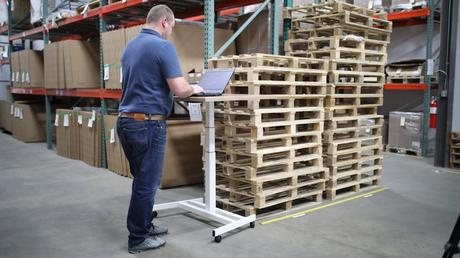
Key Features to Compare
When evaluating the best real-time inventory management software for 2026, decision-makers should compare more than pricing. The most important differences usually appear in four categories: inventory visibility, demand forecasting, automation, and multi-location management.
- Inventory visibility: Live stock counts, stock movement history, available-to-sell quantities, lot tracking, serial tracking, and inventory valuation.
- Demand forecasting: Sales trend analysis, seasonality recognition, predictive reorder points, supplier lead time calculations, and AI-assisted planning.
- Automation: Purchase order generation, low-stock alerts, stock transfers, workflow rules, warehouse picking processes, and marketplace synchronization.
- Multi-location management: Warehouse-to-warehouse transfers, store inventory, bin locations, fulfillment routing, regional stock allocation, and 3PL visibility.
Best Real-Time Inventory Management Software for 2026
1. NetSuite Inventory Management
NetSuite remains one of the strongest inventory solutions for mid-sized and enterprise organizations that need inventory management as part of a broader ERP system. It supports multi-location inventory, demand planning, purchasing, order management, financials, and warehouse workflows.
Its main advantage is that inventory data connects directly with accounting, procurement, sales, ecommerce, and reporting. This makes it ideal for companies that need a single source of truth across departments. NetSuite is especially strong for businesses with complex product catalogs, multiple subsidiaries, international locations, and advanced reporting needs.
Best for: Growing mid-market and enterprise businesses that need ERP-level inventory control.
2. Cin7
Cin7 is a popular choice for product sellers that operate across ecommerce, retail, wholesale, and third-party logistics channels. It offers strong integrations with online marketplaces, shipping tools, accounting systems, and POS platforms.
For 2026, Cin7 stands out for businesses that need centralized inventory visibility across multiple sales channels. It helps prevent overselling by syncing stock data between warehouses, ecommerce stores, and retail locations. Its purchasing, warehouse, and order routing tools also make it useful for omnichannel businesses.
Best for: Ecommerce, wholesale, and omnichannel retailers needing strong integrations.
3. Zoho Inventory
Zoho Inventory is a strong fit for small businesses and growing ecommerce sellers that want affordable cloud inventory software. It includes order management, warehouse tracking, shipping integrations, barcode support, purchase orders, and sales channel syncing.
Its biggest benefit is accessibility. Zoho Inventory is easier to implement than many enterprise systems and works well for companies already using Zoho Books, Zoho CRM, or other Zoho applications. While it may not offer the deepest manufacturing or enterprise warehouse capabilities, it provides excellent value for smaller teams.
Best for: Small businesses, startups, and online sellers that need cost-effective inventory control.
4. Fishbowl Inventory
Fishbowl has long been known for inventory and manufacturing management, particularly for companies that use QuickBooks. It supports barcode scanning, work orders, manufacturing inventory, warehouse management, purchasing, and order fulfillment.
In 2026, Fishbowl remains relevant for businesses that require stronger inventory control than basic accounting software can provide. It is especially useful for light manufacturers, distributors, and wholesalers that need bill of materials management, production tracking, and inventory costing.
Best for: Manufacturers, distributors, and QuickBooks users needing advanced inventory tools.
Image not found in postmeta
5. Katana
Katana is designed for modern manufacturers, especially small and mid-sized companies that need production planning, raw material tracking, and real-time shop floor visibility. It connects sales orders, purchase orders, production schedules, and inventory requirements.
Its strength is visual manufacturing control. Katana helps teams understand whether they have enough materials to produce finished goods and when replenishment is required. Its production-focused workflows make it a strong option for direct-to-consumer brands, makers, and manufacturers selling through ecommerce and wholesale channels.
Best for: Small and mid-sized manufacturers needing live material and production visibility.
6. Unleashed Software
Unleashed is a cloud inventory platform built for manufacturers, wholesalers, and distributors. It offers batch tracking, serial number tracking, inventory costing, purchase management, sales order processing, and reporting.
Unleashed performs well for businesses that need accurate stock control across multiple warehouses without moving into a full ERP implementation. Its focus on product-based businesses makes it valuable for companies with complex purchasing and fulfillment workflows.
Best for: Wholesalers, distributors, and manufacturers needing cloud-based stock control.
7. inFlow Inventory
inFlow Inventory is known for user-friendly inventory tracking, barcode scanning, order management, purchasing, and reporting. It is often selected by small and mid-sized businesses that need more structure than spreadsheets but do not require a large ERP system.
Its interface is approachable, and the system supports everyday inventory workflows such as receiving stock, creating sales orders, adjusting quantities, scanning barcodes, and monitoring reorder points. For many smaller teams, inFlow offers a practical balance of affordability and functionality.
Best for: Small and mid-sized businesses wanting simple, practical inventory management.
8. Odoo Inventory
Odoo Inventory is part of the broader Odoo business application ecosystem. It supports warehouse operations, routes, replenishment rules, barcode scanning, dropshipping, cross-docking, manufacturing, purchasing, and sales integrations.
Odoo’s major advantage is flexibility. Companies can start with inventory and then add modules for accounting, CRM, manufacturing, ecommerce, or project management. However, implementation quality can vary depending on configuration and partner support, so businesses with complex workflows should plan carefully.
Best for: Companies wanting a flexible modular business system with inventory at the center.
9. Microsoft Dynamics 365 Supply Chain Management
Microsoft Dynamics 365 Supply Chain Management is built for larger organizations with complex logistics, procurement, production, and warehouse requirements. It includes advanced planning, asset management, demand forecasting, warehouse management, and integration with Microsoft’s broader business ecosystem.
For enterprises, Dynamics 365 offers strong analytics, process control, and scalability. It can support sophisticated supply chain networks, but it usually requires more planning, implementation expertise, and budget than small-business inventory tools.
Best for: Large organizations needing enterprise-grade supply chain and inventory management.
Feature Comparison: Visibility, Forecasting, Automation, and Locations
NetSuite Excellent Strong Excellent Excellent
Cin7 Strong Good Strong Strong
Zoho Inventory Good Basic to good Good Good
Fishbowl Strong Good Strong Strong
Katana Strong Good Good Good
Unleashed Strong Good Good Strong
inFlow Good Basic to good Good Good
Odoo Strong Good Strong Strong
Dynamics 365 Excellent Excellent Excellent Excellent
Inventory Visibility: The Foundation of Better Decisions
Without accurate visibility, every other inventory process becomes less reliable. A company cannot forecast demand properly if sales and stock data are outdated. It cannot automate replenishment if reorder points are based on incorrect counts. The best 2026 platforms provide real-time dashboards showing available stock, committed stock, incoming purchase orders, backorders, damaged goods, and stock in transit.
Businesses with regulated products, food, cosmetics, electronics, or industrial parts should also consider lot and serial tracking. These capabilities help with recalls, warranty claims, compliance, and quality control.
Demand Forecasting: From Guesswork to Predictive Planning
Demand forecasting has become one of the most important differentiators among inventory platforms. Basic systems may only calculate reorder points from historical sales. More advanced platforms can account for seasonality, promotions, supplier lead times, channel performance, and changing demand patterns.
In 2026, AI-supported forecasting is increasingly common, but businesses should still evaluate how transparent and configurable the forecasting model is. A good system should allow planners to adjust assumptions, exclude unusual sales spikes, and compare projected demand with real outcomes.
Automation: Reducing Manual Work and Human Error
Automation is where inventory software often delivers the fastest return on investment. Automated low-stock alerts, purchase order suggestions, barcode receiving, order routing, fulfillment rules, and stock transfer recommendations can save significant administrative time.
For ecommerce and retail companies, automation also reduces overselling. When stock levels update automatically across Shopify, Amazon, wholesale portals, ERP systems, and warehouse tools, teams spend less time correcting orders and apologizing to customers.
Image not found in postmeta
Multi-Location Management: Essential for Growing Operations
Multi-location management matters when a business stores inventory in more than one place. Even a small company may use a main warehouse, a retail shop, a 3PL provider, and marketplace fulfillment centers. The software should show where every unit is located and whether it is available, reserved, damaged, or in transit.
Advanced platforms also support location-based reorder points, automated transfer orders, warehouse zones, bin tracking, and fulfillment routing. This helps businesses ship from the closest or most cost-effective location while maintaining service levels.
How Businesses Should Choose the Right Platform
The best software depends on business model, inventory complexity, growth stage, and budget. A small online seller may not need an enterprise ERP, while a multinational distributor will likely outgrow a simple stock app quickly.
- For small businesses: Zoho Inventory, inFlow, and Odoo can provide strong value without overwhelming complexity.
- For ecommerce and omnichannel sellers: Cin7 is often a strong contender because of its channel integrations and order management tools.
- For manufacturers: Katana, Fishbowl, Unleashed, NetSuite, and Dynamics 365 are worth comparing based on production complexity.
- For mid-market and enterprise teams: NetSuite and Microsoft Dynamics 365 provide deeper controls, reporting, and scalability.
Before selecting a platform, companies should map their current inventory workflows, identify pain points, estimate order volume, list required integrations, and define reporting requirements. A software demo should include real product scenarios, not just generic sample data.
Final Verdict
In 2026, the best real-time inventory management software is the platform that gives a business accurate visibility, better forecasting, less manual work, and confident control over every location where stock is stored or sold. NetSuite and Microsoft Dynamics 365 lead for complex enterprise requirements, while Cin7 is especially strong for omnichannel commerce. Zoho Inventory and inFlow are practical choices for smaller companies, and Katana, Fishbowl, and Unleashed are compelling options for manufacturing, wholesale, and distribution.
Ultimately, the strongest choice is not simply the tool with the longest feature list. It is the system that fits the company’s operations, integrates with existing sales and accounting tools, and helps inventory teams make faster, more profitable decisions.
FAQ
What is real-time inventory management software?
Real-time inventory management software tracks stock movements as they happen, or close to real time. It updates quantities when items are sold, received, transferred, returned, manufactured, or adjusted.
Which inventory software is best for small businesses in 2026?
For small businesses, Zoho Inventory, inFlow, and Odoo are often strong options because they offer useful inventory features without the complexity of enterprise ERP systems.
Which platform is best for enterprise inventory management?
NetSuite and Microsoft Dynamics 365 Supply Chain Management are among the strongest choices for larger companies that need advanced reporting, multi-location control, procurement, forecasting, and ERP integration.
Does inventory software help prevent stockouts?
Yes. Good inventory software can reduce stockouts by using low-stock alerts, reorder points, demand forecasting, supplier lead time tracking, and automated purchase order recommendations.
What is the difference between inventory management and warehouse management?
Inventory management focuses on stock quantities, valuation, purchasing, and availability. Warehouse management focuses more on physical warehouse processes such as receiving, putaway, picking, packing, bin locations, and labor workflows.
Is AI important in inventory management software?
AI is becoming more important for forecasting demand, identifying unusual trends, recommending reorder quantities, and improving supply chain planning. However, accurate data and well-designed workflows remain essential.
What features matter most for multi-location businesses?
Multi-location businesses should look for location-based stock visibility, transfer orders, warehouse and store tracking, fulfillment routing, bin management, and integrations with 3PL or marketplace fulfillment providers.




THE %(site_name)s COMMUNITY

-
 umkhaloodie
3864140 pt -
Ch
3396455 pt -
 jesusmsanchezl
2453003 pt -
weddingblog2011
2205852 pt