The best time to send most cold emails is Tuesday through Thursday, between 8:00 and 11:00 a.m. in the recipient’s local time. HubSpot has reported that 9 a.m. to noon is often a strong email window, with Tuesday also ranking well for engagement [source: HubSpot]. For cold outreach, the safest starting point is Tuesday at 9:30 a.m., followed by a second test on Thursday at 10:00 a.m. Mailchimp works better for opted-in lists, while HubSpot is usually stronger for sales-led cold prospecting and timed follow-ups.
TLDR: For improving cold email open rates, HubSpot is usually the better fit because it supports sales sequences, CRM data, and contact behavior. Mailchimp can help with send-time testing, but it is built for permission-based campaigns, so pure cold email can cause account and deliverability issues. A B2B software team sending 4,800 prospect emails might test Tuesday 9:30 a.m. against Thursday 10:00 a.m.; if Tuesday gets a 33.1% open rate versus 27.4%, that becomes the new baseline. The best time is not universal, but weekday mornings win often enough to test first.
Mailchimp vs. HubSpot: The Short Answer
HubSpot is better for controlled cold email outreach. It gives sales teams contact records, email tracking, sales sequences, task reminders, and reporting tied to pipeline activity. That matters because cold email timing is not only about the clock. It is also about job title, buying stage, region, prior activity, and follow-up rhythm.
Mailchimp is better for newsletters, nurture emails, and compliant marketing campaigns. It has useful send-time tools and clean campaign reporting. Yet it is not built for scraping a list and blasting strangers. Honestly, it feels like using a bus to deliver a handwritten invitation. It can move volume, but it is not built for careful one-to-one prospecting.
For teams focused on open rates, the tool matters. For teams focused on replies and meetings, the timing, list quality, and message quality matter even more.

Best Days to Send Cold Emails
The strongest days for cold email are usually:
- Tuesday: Often the best day for first-touch cold outreach. People have cleared Monday chaos but are still planning the week.
- Wednesday: Good for follow-ups and mid-funnel outreach. It tends to feel less crowded than Tuesday.
- Thursday: Strong for final weekly pushes, demo requests, and short follow-ups.
Monday is risky. Inboxes are crowded. Meetings pile up. Decision-makers scan fast and delete faster.
Friday is uneven. Some audiences respond well in the morning, especially founders and operators. Others mentally check out before lunch. It drives teams crazy that Friday can look great one week and weak the next. That is why Friday should be tested, not assumed.
Best Time of Day to Send Cold Emails
Most cold email programs should start with these windows:
- 8:00 a.m. to 9:00 a.m.: Good for executives and senior leaders who check email early.
- 9:00 a.m. to 11:00 a.m.: The best default window for B2B cold outreach.
- 1:00 p.m. to 2:30 p.m.: Good for follow-ups after lunch, especially when mornings are crowded.
Late afternoon can work, but it is less stable. After 4:00 p.m., many buyers are closing tasks, not starting new vendor conversations. For international lists, sending by the recipient’s local time is critical. A perfect 9:30 a.m. email becomes useless if it arrives at 2:30 a.m.
How Mailchimp Handles Send Time
Mailchimp includes features such as Send Time Optimization and audience-based scheduling. These can help marketers choose send times based on prior engagement. For warm audiences, this can be very useful. If a subscriber often opens emails around 10 a.m., Mailchimp can help campaigns move closer to that pattern.
For cold email, though, Mailchimp has a major limitation. It expects permission-based contacts. That means the list should come from people who opted in or had a clear consent path. Uploading a purchased contact list can damage sender reputation and may violate platform rules.
Mailchimp is best for:
- Newsletter campaigns
- Inbound lead nurture
- Product updates
- Webinar reminders
- Re-engagement campaigns for known contacts
Mailchimp can improve open rates when the audience already knows the sender. For true cold outreach, it becomes awkward fast. Expect to waste time cleaning lists, watching compliance warnings, and separating cold contacts from actual subscribers.
How HubSpot Handles Send Time
HubSpot is stronger when a sales team needs to send cold or warm prospecting emails at specific times. Its CRM stores job titles, company data, lifecycle stage, time zone, past opens, clicks, and replies. That makes timing more practical.
HubSpot Sales Hub also supports sequences. A rep can send an opening email Tuesday morning, schedule a follow-up Thursday afternoon, add a LinkedIn task Friday, and send a final email the next Wednesday. The system keeps the workflow organized.
HubSpot is best for:
- One-to-one sales outreach
- Cold prospecting workflows
- Follow-up sequences
- CRM-based segmentation
- Tracking opens, clicks, replies, and meetings booked
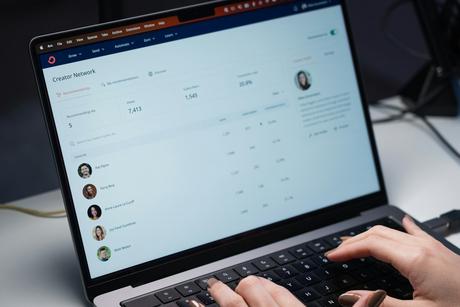
The main annoyance is setup time. HubSpot can take longer to configure than a simple Mailchimp campaign. A basic send in Mailchimp may take 10 minutes. A clean HubSpot sequence with enrollment rules, task steps, and exclusions may take 30 to 45 minutes. Still, that extra time often pays off when sales teams need better control.
Which Platform Improves Open Rates More?
For cold email, HubSpot usually has the edge. It allows better targeting and better follow-up timing. Those two factors often raise open rates more than one perfect send time.
Mailchimp may win for large warm lists because it is simple, visual, and built for campaign testing. It is excellent when a company sends to subscribers who expect marketing emails. But cold email is different. Recipients do not know the sender. Trust is low. Relevance must be high.
A fair comparison might look like this:
- Mailchimp campaign to semi-warm list: 24% open rate, 2.8% click rate
- HubSpot sequence to targeted cold list: 31% open rate, 5.6% reply rate
- HubSpot segmented by role and time zone: 36% open rate, 7.2% reply rate
Those numbers are sample benchmarks, not promises. The pattern is the point. Better targeting plus better timing usually beats bulk sending.
Recommended Cold Email Schedule
A practical weekly schedule could look like this:
- First email: Tuesday at 9:30 a.m.
- First follow-up: Thursday at 10:00 a.m.
- Second follow-up: Monday at 1:30 p.m.
- Final follow-up: Wednesday at 8:45 a.m.
This rhythm avoids daily pressure. It gives prospects breathing room. It also creates enough data to compare performance by day and time.
What to Test First
Teams should not test everything at once. That creates messy data. The first tests should be simple:
- Tuesday morning vs. Thursday morning
- 8:30 a.m. vs. 10:30 a.m.
- Local time sending vs. sender time zone
- Short subject line vs. specific subject line
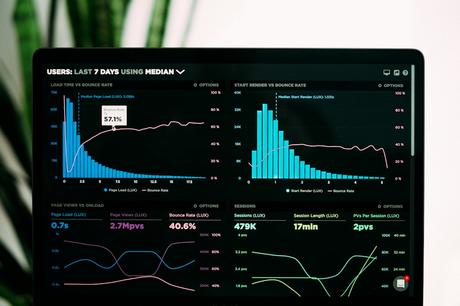
Open rate is useful, but it should not be the only metric. A subject line can earn opens and still bring zero replies. The better scorecard includes open rate, reply rate, positive reply rate, booked meetings, and unsubscribe rate.
Compliance and Deliverability Matter
Cold email should still follow legal and platform rules. Senders should identify themselves, include a real business address when required, give recipients a way to opt out, and avoid misleading subject lines. Bad compliance hurts more than open rates. It can damage domains and block future campaigns.
Deliverability basics also matter. A team should warm up domains, authenticate email with SPF, DKIM, and DMARC, avoid spammy wording, and keep bounce rates low. A well-timed email that lands in spam has no value.
Final Verdict
HubSpot is the better choice for cold email timing and open-rate improvement. It is built around sales activity, CRM context, and follow-up structure. Mailchimp is better for warm marketing audiences and subscriber campaigns. For cold outreach, the best starting send time is Tuesday through Thursday between 8:00 and 11:00 a.m., with Tuesday at 9:30 a.m. as the first test.
FAQ
What is the best time to send cold emails?
The best starting point is Tuesday, Wednesday, or Thursday between 8:00 and 11:00 a.m. in the recipient’s local time.
Is Mailchimp good for cold emails?
Mailchimp is not ideal for pure cold outreach. It works best for permission-based lists, newsletters, and warm marketing campaigns.
Is HubSpot better than Mailchimp for cold email?
Yes, for most sales teams. HubSpot supports CRM-based targeting, sequences, tracking, and timed follow-ups.
Should cold emails be sent on Monday?
Monday can work, but it is usually weaker. Inboxes are crowded, and many prospects are focused on internal planning.
What matters more than send time?
List quality, subject line clarity, relevance, sender reputation, and follow-up timing often matter more than the exact send hour.