What we'll cover...
Ceramic core radiators have become one of the most popular choices in modern electric heating, often viewed as a more efficient and comfortable alternative to traditional electric heaters. But what makes ceramic core radiators different, and are they genuinely worth the investment?
In this buyer’s guide, we’ll explain what ceramic core radiators are, how they work, and offer an overview of their running costs, before comparing them to other electric heating options such as oil-filled, convection and infrared radiators. We’ll also explore the best use cases for ceramic core radiators in real homes, cover installation and safety considerations, and provide a balanced, honest assessment of ceramic core radiator pros and cons, so you can decide whether they’re the right fit for your space.
What is a ceramic core radiator?
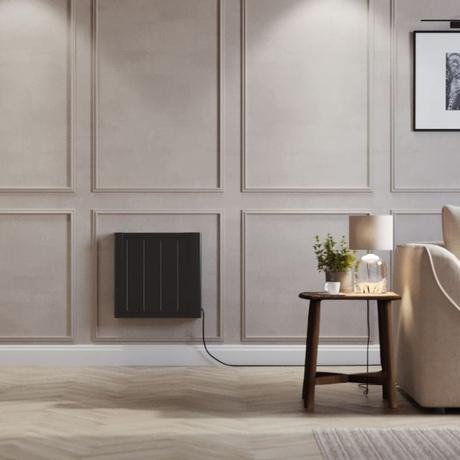
A ceramic core radiator is a type of electric radiator that incorporates a high-density ceramic stone or block inside the unit for heat storage. Instead of placing a sole reliance on warm air convection, the ceramic core instead absorbs heat from the electric element gradually releases it, even after the element switches off.
This ability to store and release heat slowly is what separates ceramic core radiators from simpler versions of electric heaters, and why they’re often described as one of the most comfortable forms of electric heating.
Why ceramic core radiators are popular
Ceramic electric radiators strike a perfect balance between fast response and long-lasting warmth, making them a suitable option for everyday living spaces as opposed to short-term heating.
-
Key benefits include:
- High thermal mass – ceramic retains heat far longer than aluminum alone
- Consistent room temperatures – fewer peaks and sudden drops
- Reduced energy cycling – less on/off switching preserves energy over time
- Silent operation – no fans, pumps or moving components
- Modern designs – slim profiles that suit contemporary interiors
Who are ceramic core radiators best for?
Ceramic core radiators are an attractive option in a variety of scenarios. Amongst those they are particularly sought after for include:
- Homeowners making the switch from gas to electric heating
- Flats and smaller apartments using zoned electric heating systems
- Bedrooms and living rooms that require steady background heat
- Home offices where comfort consistency matters
- Properties on smart or time-of-use electricity tariffs

How do ceramic core radiators work?
Ceramic core electric radiators use a simple but effective principle for operation: store heat first, then release it slowly.
The heating process explained
- Electricity powers the internal heating element
- The ceramic core absorbs and stores thermal energy
- The radiator body gently radiates heat out into the room
- The thermostat reduces demand as stored heat continues working
Unlike convection heaters that lose warmth nearly immediately when powered down, ceramic core radiators continue to deliver heat even during off-cycles.
“Ceramic core radiators don’t reduce electricity prices, but they dramatically improve how electricity is used. Less cycling means less waste, and that’s where the efficiency gains come from.” – Lee Harper, BestHeating Product Director
Ceramic core radiator cost considerations
Ceramic core radiators:
- Use the same amount of electricity as other electric heaters
- Require less frequent power draw to work successfully
- Deliver more stable comfort with fewer upturns in demand
This makes them particularly effective when paired with:
- Smart thermostats
- Zoned heating schedules
- Predictive or adaptive start controls
Ceramic core vs alternative radiator types
To understand whether ceramic core radiators are the correct option for your home, it helps to see how they line up in comparison with other popular electric heating options.
Radiator Type
Heat Retention
Heat Speed
Comfort Level
Typical Use
Ceramic core
Excellent
Medium-fast
Very high
Bedrooms, living rooms
Oil-filled
Good
Slow
Moderate
Background heating
Convection
Poor
Fast
Low–moderate
Short bursts
Infrared
N/A (direct heat)
Instant
Targeted
Spot heating
Key differences explained
- Ceramic core vs oil-filled radiators: Ceramic heats up faster and is lighter, while oil-filled units are slower to warm and bulkier
- Ceramic core vs convection: Ceramic retains heat well, whilst convection can lose it quickly
- Ceramic core vs infrared: Ceramic provides an even spread of heat throughout a room, with infrared contrastingly heating up people and objects directly
Related reads:
Modern heat-up: Ceramic core vs dry heat radiators | The ultimate guide to infrared heaters

How to choose the right ceramic core radiator
For bedrooms and living rooms
Ceramic core radiators are ideal for spaces where you want:
- Stable temperatures overnight
- Quiet, disruption-free heating
- Gentle warmth rather than intense blasts of heat
Look for:
- Accurate digital thermostats
- Weekly programming
- Open-window detection
For bathrooms
Ceramic core radiators can work in bathrooms, but only when:
- The unit meets the required IP rating
- They are installed outside restricted bathroom zones
For most bathrooms, electric heated towel rails or dry thermal electric radiators are often a more practical choice.
For home offices
For work-from-home setups, ceramic radiators excel because they:
- Avoid temperature swings
- Maintain comfort during long sessions
Work efficiently with timed schedules
For energy efficiency
To maximise efficiency:
- Use room-by-room zoning
- Avoid overheating unused rooms
- Combine with smart app-based controls
Ceramic core radiator installation and safety tips
One of the biggest advantages of ceramic core radiators is their installation simplicity.
Installation basics
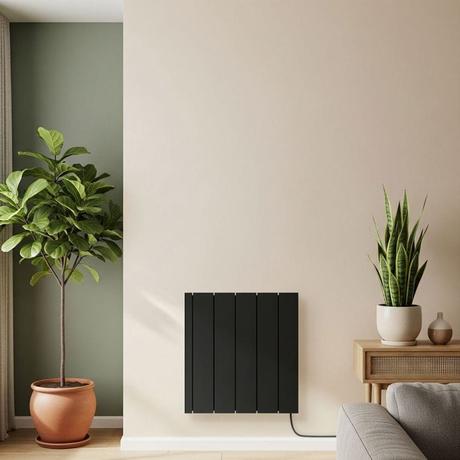
- Wall-mounted using supplied brackets
- Plug-in or hardwired options available
- No plumbing or pipework required
Can you install ceramic core radiators yourself?
Yes. Most ceramic core electric radiators can be fitted by DIY means, provided:
- Any fixed wiring doesn’t require modification
- The socket and circuit are suitably rated
- Manufacturer guidance is followed strictly
Hardwired installations should always be carried out by a qualified electrician.
Expert ceramic core radiator installation tips
Tip #1: Install on an external wall for the best level of heat distribution
Tip #2: Avoid positioning behind large furniture or curtains
Tip #3: Leave sufficient airflow clearance around the radiator
Tip #4: Use schedules instead of manual switching
Related reads:
How to clean electric radiators safely | How do I maintain my radiators?
Advantages and disadvantages of ceramic core radiators
Advantages
- Excellent heat retention properties
- Silent operation
- Reduced energy cycling
- Ideal for zoned electric systems
- Stylish, modern profiles
Disadvantages
- Higher upfront cost than basic heaters
- Slower initial heat-up than aluminium radiators
- Less suitable for rapid, short-term heating purposes
Frequently Asked Questions
Do ceramic core radiators use a lot of electricity?
Ceramic core radiators use electricity at the same rate as other electric heaters, but they consume less overall energy on account of reduced cycling and heat retention.
Are ceramic core radiators expensive to run?
They can be cost-effective when used correctly. A 2000W ceramic radiator costs around 55p per hour at 27.69p/kWh when actively heating, but real-world usage is lower due to lower energy cycling.
Are ceramic radiators noisy?
No. Ceramic core radiators work completely silently, making them an ideal choice for bedrooms and offices.
Are ceramic core radiators any good?
Yes. Ceramic core radiators are an especially proficient option for homeowners prioritising comfort consistency, smart heating control, and energy efficient electric heating.
Is a ceramic radiator cheaper to run than an oil-filled radiator?
In many cases, yes. Ceramic electric radiators heat up faster and cycle less than oil-filled models, enhancing efficiency in daily use.

Find the right electric heating balance with ceramic core radiators
Although they can’t be described as the perfect heating option for every home, ceramic core radiators are certainly one of the most balanced electric heating options available.
They’re best suited to homes that value:
- Stable, long-lasting warmth
- Quiet operation without disruption
- Smart energy control
- Modern design features
When teamed with the right room and usage pattern, ceramic core radiators offer a level of comfort that feels far closer to traditional central heating, but without the pipework or necessary maintenance.
Start your ceramic core heating upgrade with BestHeating
BestHeating offer an excellent array of ultra-stylish modern electric heating options, including a wealth of ceramic core radiators designed for comfort, efficiency and long-term reliability.
Our BTU Calculator can be used to help you work out the right heat output for your home, and there’s all sorts of extra resources in our Advice Centre to help you better understand all kinds of home heating requirements or nuances.
And be sure to let us know about your ceramic core radiator refreshes in the comments, or by reaching out to us on Instagram, Facebook or X.