


Why You Should Think Twice About Plastic Water Bottles
Walk into any gas station, supermarket, or convenience store, and you’ll see rows of plastic water bottles stacked high and gleaming under fluorescent lights. Sold on a promise of purity and portable hydration, the appeal is undeniable. But do you ever consider the consequences of using these plastic containers? Researchers are actively trying to uncover the impacts of our bottled water habits, and the findings thus far might make you rethink what you drink from.
Plastic Water Bottle Usage Statistics in America
Bottled water is by far the best-selling packaged beverage in the U.S., with 50 billion plastic bottles sold on average every year. Also interesting, and in some ways concerning, is that three-quarters of American bottled water drinkers prefer to buy plastic water bottles, which might explain why sales have skyrocketed 2,767% from 1997 (3 billion units) to 2021 (86 billion units).
This preference for plastic isn’t a mere coincidence. Plastic water bottles are generally lightweight and less prone to breaking than other materials like glass, explains Corkcircle, a company that designs and manufactures insulated drinkware. They’re also easy to carry, maneuvering seamlessly into backpacks and cupholders. Not to mention, plastic bottled water is readily available in many locations, such as delis, restaurants, bars, supermarkets, convenience stores, and pharmacies.
While these perks have made plastic bottled water an American favorite, many people have begun exploring plastic alternatives for reasons outlined below.
The Problem with Plastic Water Bottles
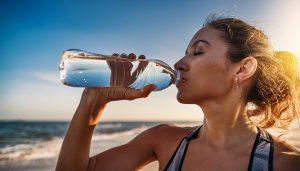
Given its many conveniences, plastic might seem like the ideal water bottle material. However, its health and environmental risks cast a long shadow on any perceived benefits. With that in mind, here’s why you should think twice about using plastic water bottles:
1. Plastic water bottles may contain microplastics.
Plastic doesn’t degrade naturally in the environment; it breaks down into minuscule particles called microplastics. Alarmingly, these tiny plastic fragments have cropped up almost everywhere, even in bottled water. In fact, every liter of bottled water can contain an average of 240,000 microscopic pieces of plastic, including microplastics (5mm to 1 micrometer in size) and nanoplastics (smaller than a micrometer).
Animal studies have linked exposure to microplastics (MPs) and their smaller siblings, nanoplastics (NPs), to adverse health outcomes, including cell viability, oxidative stress, decreased immune response, inflammation, cytotoxicity, DNA damage, disruption of metabolism, and neurotoxicity. It’s unclear how MPs and NPs directly impact human health, but toxicologists worry they could leach chemicals into the liquid and act as a hub for antibiotic-resistant bacteria.
Learn more: Microplastics in Drinking Water & How to Reduce Risk of Ingestion
2. Plastic water bottles could expose you to toxic chemicals.
In addition to microplastics and nanoplastics, bottles produced with Polyethylene Terephthalate (PET) plastic can leach 150 chemicals into the liquid inside, particularly if they are recycled, stored in warm environments like a hot car, exposed to sunlight, or reused. Some of these chemicals include phthalates and bisphenol A (BPA).
Phthalates, also called plasticizers, make plastics more durable and flexible. However, research shows that chronic exposure to phthalates can disrupt hormones and harm organ function, which may negatively affect pregnancy, child development, and reproductive health. BPA, a known endocrine-disrupting chemical, is linked to numerous health issues, including male and female reproductive disorders, heart disease, breast and prostate cancer, and Type 2 diabetes.
Read more: Americans Exposed to 5,000 Times the Safe Level of BPA, Study Finds | Is It Safe to Drink Bottled Water Left in a Hot Car?
3. Most plastic water bottles don’t get recycled.
Have you ever wondered where that plastic water bottle goes after tossing it in a recycling bin or trash can? You probably assume it gets whisked away to some faraway recycling facility, but, sad to say, that’s not always the case. In 2023, 33% of PET plastic water bottles were recycled in the U.S., the highest in the country since 1996, but still just a fraction of the total. Most unrecycled bottles end up in landfills or incinerators, and millions wind up as litter in streets, parks, and waterways.
More than 60 million plastic bottles are discarded daily in the U.S. That adds up to roughly 22 billion bottles annually. Plastic can remain in the environment for 450 years before decomposing, producing enormous amounts of microplastics and plastic pollution. So, every time we use and toss a plastic bottle, we add to a growing pile of waste that will be with us for generations.
4. Plastic bottles are dangerous for ocean wildlife.
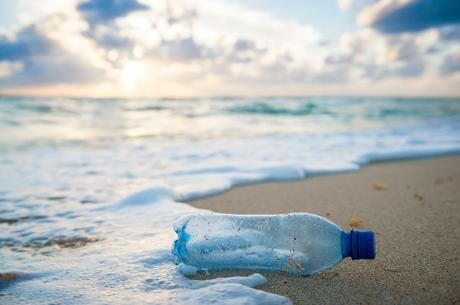
Think about the last time you visited the beach. You likely noticed scores of plastic bottles washed ashore or floating on the water. That’s not by accident; an estimated 5 to 13 million metric tons of plastic enter the world’s oceans yearly, which researchers predict will outweigh fish pound-for-pound by 2050.
When plastic bottles invade waterways, they break down into microplastics over time when exposed to waves and sunlight. They’re also very difficult, if not impossible, to clean up. Moreover, they may become food for fish and other forms of ocean life. Sea turtles, for instance, can mistake floating plastic debris for a tasty morsel of jellyfish or seaweed. Likewise, seabirds and fish may be attracted to the smell of marine plastic when fouled by algae and may consume them.
These bits of plastic can be incredibly toxic to aquatic creatures. The National Oceanic and Atmospheric Administration Marine Debris Program says ingesting high enough amounts of plastic could clog the digestive system in sea animals and cause internal injuries, starvation, or death. Sometimes, unevenly shaped plastic pieces could cause choking. Even more concerning is that the consumed plastic could absorb toxins as it works its way up the food chain, eventually reaching and potentially harming humans.
5. Manufacturing plastic water bottles is resource-intensive and worsens air and water pollution.
Imagine a plastic water bottle quarter filled with petroleum oil; that’s the amount required to produce that bottle. In the U.S., that adds up to 17 million barrels of oil to meet the annual demand, enough to fuel over a million cars for a year. This non-renewable fossil fuel is transformed into polyethylene terephthalate (PET) through processes that consume vast amounts of oil, water, and electricity.
The International Energy Agency (IEA) projects that, by the 2050s, petrochemicals used to make plastic and other materials could account for nearly half of global oil demand, further deepening our reliance on fossil fuels at a time when the world urgently needs to transition to cleaner energy sources. PET bottled production in the U.S. reportedly emits 8.8 million metric tons of CO₂ annually and releases 200 million pounds of toxic chemicals into the air and water each year.
Beyond driving climate change, emissions from plastic bottled water production have severe health consequences, including a higher risk for respiratory disease, cancer, and infertility. The extraction of oil for plastics, often through fracking, also brings a legacy of water and air pollution that compounds the health and environmental toll of plastic water bottles.
Related: How Climate-Fueled Storms & Floods Affect Drinking Water
Simple Steps to Ditch Plastic Water Bottles for Good
1. Use a reusable water bottle.
One of the easiest and most effective ways to move away from plastic water bottles is to invest in a reusable stainless-steel or glass bottle. They’re way better for the environment and are usually non-toxic and BPA-free. Furthermore, you won’t have to worry about microplastics or chemicals leaching into your water. Just make sure to wash and sanitize the bottles regularly to prevent bacterial contamination.
2. Invest in a home water filter system.
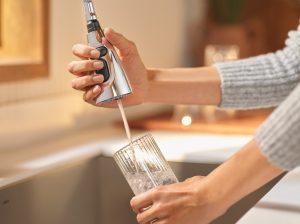
Using a reusable water bottle is a vital first step toward ditching disposable plastic water containers. However, you also want to ensure you fill it with the cleanest and healthiest water possible. This is where home water filter systems come in. Under-sink reverse osmosis water filters are an excellent option, as they’re usually point-of-use (POU) systems designed to treat water at specific locations like your kitchen tap. RO filters can reduce 95% to 99% of water contaminants and impurities, including microplastics, chlorine, and lead, making tap water safer and tastier than bottled water. If a water filter isn’t practical, many schools, offices, and public places have water stations where you can refill your reusable bottle for free.
For more comprehensive protection, whole house water filtration systems such as the SpringWell system, voted in 2025 by Water Filter Guru as the best whole home water filter system. These filter all the water entering your home—delivering cleaner water not just for drinking, but also for cooking, showering, and laundry. The point-of-entry (POE) systems are especially beneficial for households concerned about chlorine, sediment, and other impurities throughout the home.
Learn more: Reverse Osmosis Water Filtration Explained | How Water Filters Benefit the Environment
3. Spread awareness about the harms of plastic water bottles.
Raise awareness about the impacts of plastic bottles with friends, family, and people on social media. Please encourage them to use reusable water bottles, filter their drinking water, and spread the message to others within reach. Also, be sure to share this article on social media.
Final Thoughts
Plastic bottled water waste is a growing concern with implications for us all. So, we must take steps to minimize our exposure to them. Reusable containers can make a huge difference, but a water filtration system can create a safer and healthier hydration experience. Springwell is committed to delivering top-quality water filtration solutions to help make ditching plastic water bottles a breeze.
Want to learn more about our water filtration system? Call Springwell at 800-589-5592 or request a free water qualification consultation. Also, visit the Springwell blog for more insightful reads like this.






