


Grace Thoughts
Why Learn a Christian Catechism? (Part Ten)
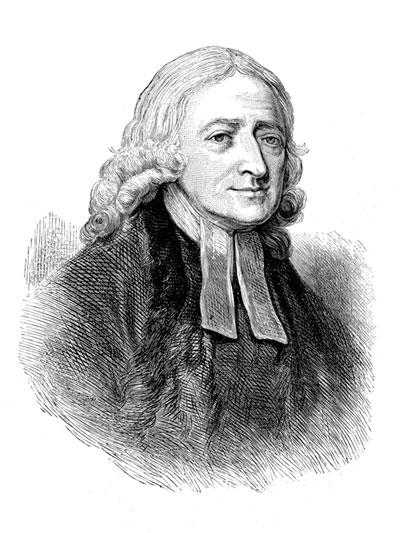
Credit: revival-library.org
" data-orig-size="400,533" sizes="(max-width: 400px) 100vw, 400px" data-image-title="wesley_john" class="attachment-rowling-post-image size-rowling-post-image wp-post-image" data-orig-file="https://gracelifethoughts.com/wp-content/uploads/2022/11/wesley_john.jpg" data-image-description="Credit: revival-library.org
" height="533" width="400" data-medium-file="https://gracelifethoughts.com/wp-content/uploads/2022/11/wesley_john.jpg?w=225" data-permalink="https://gracelifethoughts.com/wesley_john/" alt="Credit: revival-library.org" decoding="async" srcset="https://gracelifethoughts.com/wp-content/uploads/2022/11/wesley_john.jpg 400w, https://gracelifethoughts.com/wp-content/uploads/2022/11/wesley_john.jpg?w=113 113w, https://gracelifethoughts.com/wp-content/uploads/2022/11/wesley_john.jpg?w=225 225w" data-image-meta="{"aperture":"0","credit":"","camera":"","caption":"","created_timestamp":"0","copyright":"","focal_length":"0","iso":"0","shutter_speed":"0","title":"","orientation":"0"}" data-large-file="https://gracelifethoughts.com/wp-content/uploads/2022/11/wesley_john.jpg?w=400" />Credit: revival-library.org
Catechisms (katécheó – oral instruction) date back thousands of years. A catechism is more than an oral tradition in Christianity because it relies on memorizing information in a particular order to help the catechumen prepare for baptism or confirmation.
We’ve been looking at a number of Christian catechisms beginning with the 1st century AD. You can read the Introduction to our series here.
We looked at the Anglican Catechism in the last part of our series – also known as the Catechism of the Book of Common Prayer. We move next to catechisms that came out of the Anglican Church through the Wesley brothers.
Wesleyan Catechisms
Wesleyan Catechisms come from the name of the Wesley brothers, John and Charles. John Wesley was an Anglican priest who led a revival within the Church of England during the 18th century. He did this with the close assistance of his brother. The movement they started became known as Methodism. Though the name began as an insult, it stuck because of the methods used within the new movement. Devotion to God and personal holiness were primary to the Wesleys’ ministry.
Some of Wesley’s catechism came from his preaching and writing. Wesley also produced a version of the Shorter Catechism. He developed a catechism for children titled, Instructions for Children, and directed Methodist parents to use it for the religious education of their children.
I have laid before you in the following Tract, the true Principles of the Christian Education of Children. These should in all Reason be instilled into them, as soon as ever they can distinguish Good and Evil. If the Fear of the Lord is the Beginning of Wisdom, then it is certainly the very first thing they should learn. And why may they not be taught the Knowledge of God and the Knowledge of Letters, at the same time? Wesley’s Instruction for Children
Here are some examples for your consideration.
SECTION 1
Lesson I and II Of God
- How many Gods are there? One.
- Who is God the Father, God the Son, and God the Holy Spirit1. These three are One
- What is God? A Spirit.
- What do you mean by a Spirit? One that cannot be seen or felt.
- What sort of a Spirit is God. One that always was and always will be.
- Where is God? Every where.
- What does God know? Every Thing
- What can God do? Whatever he will.
- Does God love you? Yes. He loves every thing which he has made.
- What has God made? Every thing, and in particular Man.
Lesson III and IV
Of the Creation and Fall of Man
- How did God make Man? His Body out of Dust, his Soul out of nothing.
- Why did God make Man? To know, love, and be happy in God forever.
- Where did God put the first Man and Woman? In the Garden of Paradise.
- What Command did he give them there? Not to eat of the Tree in the Middle of the Garden.
- Diid they keep that Command? No, they did eat of it.
- What Hurt did they bring on themselves hereby? Sin and Guilt, and Pain and Death.
- Did their Sin hurt any beside themselves? Yes, all Men that came from them.
- How did it hurt them? They are all born in Sin and Guilt, and subject to Pain and Death.
- How are Men born in Sin? We are all born proud, self- willed, Lovers of the World, and not Lovers of God.
Lesson V, VI and VII Of the Redemption of Man
- By whom are we to be saved from Sin? By Jesus Christ, the Eternal Son of God.
- What did he do to save us? He was made Man, and lived and died and rose again.
- What may we gain by his living and dying for us? Forgiveness of Sins, and Holiness and Heaven.
- When does God forgive our Sins? When we repent and believe in Christ.
- What do you mean by Repenting? Being thoroughly convinced of our Sinfulness, Guilt, and Helplessness.
- What is Believing, or faith? A Conviction of those unseen Things which God has told us in the Bible.
- What is Faith in Christ? A Conviction that Christ has loved us, and given himself for me.
Lesson VIII and IX Of the Means of Grace
- What is Grace? The Power of the Holy Spirit3, enabling us to behave and love and serve God.
- How are we to seek this? In a constant and careful Use of the Means of Grace.
- Which are the chief Means of Grace? The Lord’s Supper, Prayer, Searching the Scriptures, and Fasting.
- How often did the first Christians receive the Lord’s Supper? Every Day. It was their daily Bread.
- How often did they join in public4 Prayers? Twice a Day, as many of them as could.
- How often did they use private Prayer? Every Morning and Night, at least.
- How did they search the Scriptures? They heard or read them every Day, and meditated therein Day and Night.
- How often did the old Christians fast? Every Wednesday and Friday till Three in the Afternoon.
- How long is every Christian to use all these Means of Grace? To his Life’s End.
Lesson X, and XI Of Hell
- Where do Unbelievers go after Death? To Hell.
- What sort of a Place is Hell? In a dark bottomless Pit, full of Fire and Brimstone.
- How will they spend their Time there? In weeping and wailing and gnashing of Teeth.
- Will both their Souls and Bodies be tormented? Yes, every Part of them at once.
- How will their bodies be tormented? By lying in burning and flaming fire.
- How will their Souls be tormented? By a Sense of the Wrath of God, by Pride, Self will, Malice and Envy, by Grief, Desire, Fear, Rage, and despair.
- Who will be their tormentors? Their own Consciences, the Devils, and one another.
- But will they have no Rest from Torment? No, not for one Moment, Day or Night.
- How long will their Torment last? For ever and ever.
Lesson XII Of Heaven
- Where will Believers go after Death? To Heaven.
- What sort of Place is Heaven? A Place of Light and Glory.
- How will good Men live there? In Joy and Happiness, greater than they can now desire or think.
- Will they suffer nothing there? No. They will have no Want, or Pain, or Sin.
- What sort of Bodies will they have then? Spiritual Bodies, swifter than Lightning and brighter than the Sun.
- But wherein will their chief Happiness lie? In the Enjoyment of God
- How will they enjoy God? They will know, and love, and see God Face to Face.
- How will they spend their Time? In singing Praise to God.
- How long will this Happiness last? As long as God lives, that is, for ever and ever. Lord! bring me thither. Amen.
SECTION II
Lesson I
Of God, and of the Soul of Man
- Take care you do not draw nigh to God with your Lips, while your Heart is far from him.
- Never say anything to God which you do not mean.
- Do not dare to tell a Lie to God for he sees all that is in your Heart.
- Do you know what God is?
- If you do not know God, how can you hope to please God?
- Think on this. Mind it well. For God is here. He minds you, if you do not mind him.
Lesson II
Of God, and of the Soul of Man
- God is an Eternal Spirit, without Beginning and without End.
- He cannot be seen, nor fully known by Man.
- He is Good, and all Good comes from him.
- He has Power to do whatever he will.
- He is Wise, knowing all Things, and doing all Things well.
- He is happy, and cannot want any Thing.
- He loves all Things which he has made, and Man aboveall.
- It is his Will, that all Men should be favored, and come to the Knowledge of his Truth.
Lesson III
Of God, and of the Soul of Man
- No Man hath seen God at any Time. The Son of God, who is in the Bosom of the Father, he hath declared him unto us.
- No one knoweth the Son of God, but the Father; and no one knoweth the Father, but the Son, and he to whom the Son will reveal him.
- All our Reading, and the Things we hear either at Church, or any where else, cannot reveal God unto us.
- All the Men in the World cannot give us the least Spark of the true Knowledge of God, or of the Things of God.
- Only God himself can do this, by giving us his good Spirit.
- He gives his Grace and his Light to those who pray earnestly for it.
Lesson IV
Of God, and of the Soul of Man
- There is none Good, but One, that is, God..
- Every Thing that is Good, comes from God alone, whether it be in Heaven or in Earth.
- If there is any Thing good in any Man, it all comes from God.
- Therefore He alone ought to be praised for it all.
- All that we do without Him, without his Grace and his Help, is Evil.
- Without God we can do nothing that is Good.
Lesson V
Of God, and of the Soul of Man
- I know that God has Power, to keep what I commit to him, safe unto that Day.
- Our Souls are now spoiled and destroyed by Sin.
- No one can save us from our Sins, but God who has all Power.
- Let us commit our Souls wholly to him, to do with them what he will, and as he will.
- Then he will keep us by his Power, and defend us against every Thing that would hurt us.
Lesson VI
Of God, and of the Soul of Man
- Do you know what your Soul is?
- You have in you (though you cannot feel it) a Soul that will never die.
- God made this, that he might come and dwell in it.
- If God lives and dwells in your Soul, then he makes it like himself.
- He makes the Soul in which he dwells. Good, Wise, Just, True, full of Love, and of Power to do well.
Other sections of Wesley’s Catechism for children include:
- Section III, How to Regulate our Desires
- Section IV, How to Regulate our Understanding
- Section V, How to Regulate our Joy
- Section VI, How to Regulate our Practice
You can read the entire children’s catechism here. You can read Wesley’s Revision of the Shorter Catechism here.
Next Time
We’ll look at The New City Catechism in the next part of our series.
Scripture taken from the New King James Version®. Copyright © 1982 by Thomas Nelson. Used by permission. All rights reserved.
GraceLife © 1990-2025
 Bible StudyCatechismChristianityJesus ChristWesley Catechism

Published by gracelifethoughts
Founder & Director of GraceLife Ministries View all posts by gracelifethoughts






