What we'll cover...
Over time, underfloor heating has evolved from a rare luxury heating addition to a mainstream modern solution. It’s discreet, efficient, comfortable underfoot and capable of transforming how a room feels and performs from a thermal perspective.
But underfloor heating isn’t a simple one-system-to-suit-all solution.
There’s a variety of different types of underfloor heating, including electric mat systems, loose cable setups, foil systems for wood floors, as well as wet underfloor heating options and low-profile retrofit styles plus hybrid arrangements.
Also factoring in contrasting heat outputs, floor coverings, insulation considerations, smart control options and installation requirements, there’s plenty to unpack in choosing the right underfloor heating system.
This guide will offer key insights on selecting your ideal underfloor heating system, based on factors like which rooms are being heated, what type of flooring is fitted, whether an electric or water system would work best, what type of heat output and controls are needed, and what type of installation is possible with or without major disruption.
Essentially, we’ll explore all the practical variables to determine which underfloor heating setup makes the most sense for your space, property type and future heating plans overall.
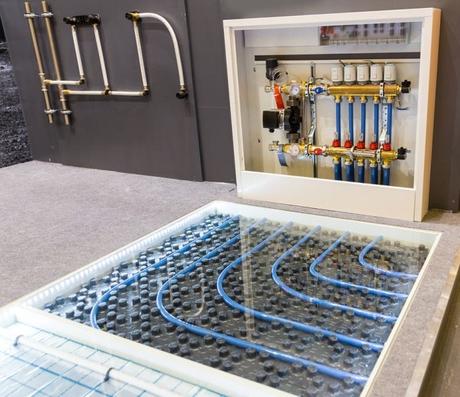
How to find the perfect underfloor heating system
Step 1: Which room are you heating?
Different rooms have different requirements, particularly where underfloor heating is involved. So, the best underfloor heating system for a kitchen extension will not necessarily be reflected in an upstairs bathroom. Likewise, what works in a new-build home may not be suitable for a retrofit renovation.
Room type and usage patterns matter the most when it comes to choosing the right underfloor heating.
Bathrooms
Bathrooms usually require:
- Quicker heat-up times
- Higher heat output per square metre
- Moisture-safe components
- Year-round usability
Best option: Electric underfloor heating mats or loose cable systems.
Why?
Typically, bathrooms are smaller spaces in comparison with other areas of the home, making electric systems a cost-effective and quick option to install. They’re ideal for positioning beneath tile or stone floors and provide much sought-after warm underfoot conditions on cold mornings; perfectly complimenting the likes of heated towel rails.
Pros:
- Slim profile
- Faster installation
- Excellent for renovations
Cons:
- Higher running cost than water systems in larger areas
Kitchens & open-plan living areas
Larger kitchen or open-plan areas demand:
- Consistent background heat
- Lower long-term running costs
- Compatibility with modern insulation measures
Best option: Water (wet) underfloor heating.
Water or wet underfloor heating systems circulate warm water through pipes embedded in the floor, delivering even heat across large areas with lower long-term operating costs; particularly when teamed with heat pump setups.
Pros:
- Highly efficient for larger spaces
- Lower running costs long term
- Excellent with renewable systems
Cons:
- Far more complex and disruptive installation
- Higher initial cost
Bedrooms
Bedrooms thrive with:
- Stable, gentle warmth
- Zoned control
- Silent heating operation
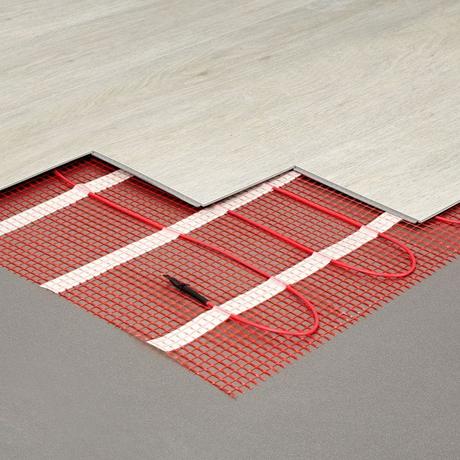
Electric foil systems placed beneath laminate or engineered wood floors work especially well upstairs where floor build-up needs to be minimal.
Pros:
- Thin profile
- Suitable for wood floors
- Simple installation
Cons:
- Less suitable for very large areas
Conservatories & extensions
These areas often lose heat quickly and require:
- Strong heat distribution
- Good insulation beneath the system
- Consistent low-level warmth
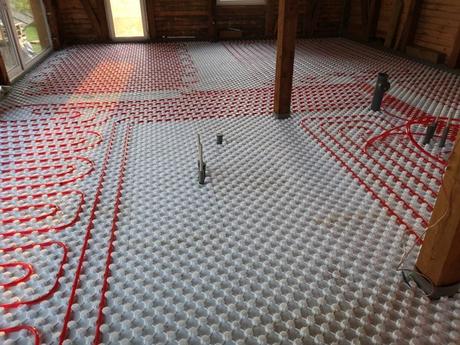
Water underfloor heating integrated into new screed is typically the most effective solution for conservatories and extensions.
Step 2: Electric vs water underfloor heating
In the process of choosing underfloor heating, this is ultimately the biggest decision you’ll make.
Electric underfloor heating
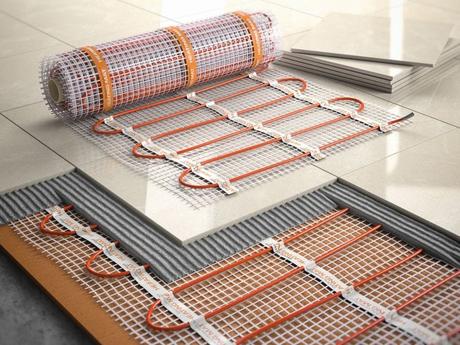
Electric underfloor heating systems use heating cables or mats installed underneath the floor surface.
Types include:
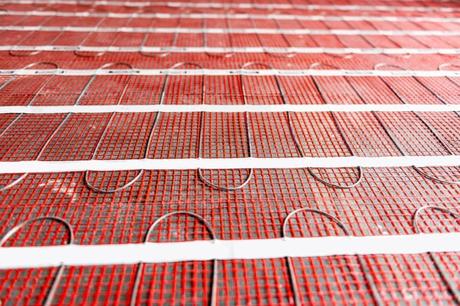
- Heating mats (pre-spaced cables)
- Loose cable systems (flexible layout)
- Foil systems (for floating wood floors)
Best for:
- Renovations
- Smaller rooms
- Retrofit projects
Advantages:
- Easier installation
- Lower upfront cost
- Minimal floor height increase
- Great for single-room heating
Disadvantages:
- Higher running costs in large areas
- Less suitable as a whole-house solution
Water (wet) underfloor heating
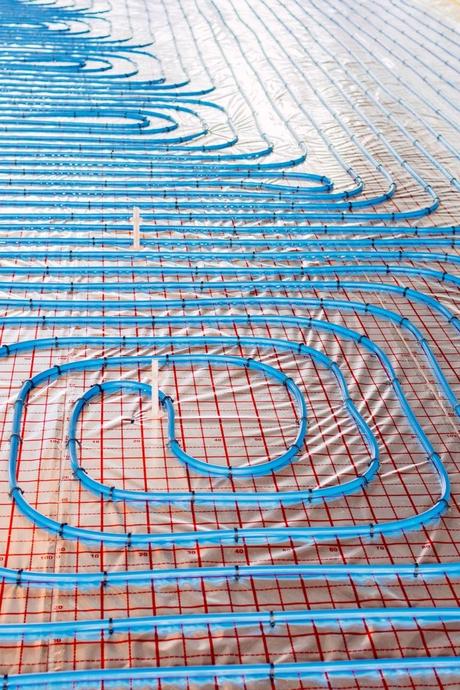
Wet systems use pipes connected to your boiler or heat pump to circulate warm water beneath the floor.
Best for:
- New builds
- Major renovations
- Whole-floor or whole-home heating
Advantages:
- Lower long-term running costs
- Works exceptionally well with heat pumps
- Ideal for large open-plan spaces
- Highly energy efficient
Disadvantages:
- Higher installation cost
- Greater floor height build-up (unless a low-profile system is used)
- More complex setup
Step 3: What floor type are you working with?
What type of floor covering you have or plan to have will have a significant impact on your underfloor heating choice.
Tile & stone
- Excellent heat conductivity
- Ideal for electric mats or water systems
- Fast response time
Laminate & engineered wood
- Compatible with foil electric systems
- Works with water systems (with correct insulation)
- Must respect temperature limits
Carpet
- Possible, but requires careful planning
- Combined Tog value must not be greater than manufacturer limits
Choosing the wrong underfloor heating system for your flooring can greatly reduce efficiency.

Step 4: What heat output do you need?
Underfloor heating output is typically measured in watts per square meter (W/m²).
For general guidance:
- Bathrooms: 150-200 W/m²
- Living areas: 100-150 W/m²
- Well-insulated new build properties: 70-100 W/m²
Factors affecting output:
- Insulation level
- Ceiling height
- External walls
- Window area
Underpowered underfloor heating systems will struggle to reach the appropriate comfortable temperature. Overpowered systems waste energy.
Using a heat loss calculator will help to ensure the correct specification.
Step 5: What installation level is possible?
New build installation
- Full water underfloor system embedded in screed
- Maximum efficiency
- Best long-term performance
Retrofit installation
Low-profile systems are designed for minimal floor height increase. This is ideal for instances where floor levels can’t be significantly raised.
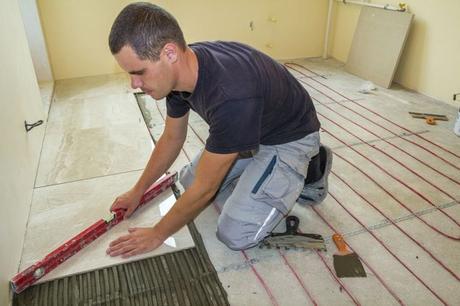
Electric underfloor heating systems are often preferred in retrofit settings due to their ease of installation.

Step 6: What control type do you need?
Modern underfloor heating systems work alongside:
Manual thermostats
- Simple
- Budget-friendly
- Suitable for use in small rooms
Programmable digital controls
- Schedule heating
- Zonal control
- Improved efficiency of performance
Smart WiFi thermostats
- App control
- Remote adjustment
- Energy usage tracking
- Ideal for zoned homes
For larger properties, zoned heating is particularly important for the prevention of overheating unused areas.
Different underfloor heating types: Pros and cons
System Type
Best For
Pros
Cons
Electric Mat
Bathrooms, small rooms
Easy install, low profile
Higher running cost in large spaces
Loose Cable
Irregular rooms
Flexible layout
Slower install
Foil System
Wood floors
Minimal build-up
Limited to certain floors
Water System
Large areas
Low running cost, efficient
Higher upfront cost
Low Profile Wet
Retrofits
Reduced height
Still more complex than electric
Which underfloor heating system is most efficient?
Efficiency depends on:
- Correct sizing
- Floor insulation
- Smart zoning
- Appropriate system choice
General overview:
- Wet underfloor heating = Most efficient long-term solution
- Electric mat systems = Most practical for smaller areas
- Foil systems = Best for upstairs retrofits
- Low-profile wet systems = Best compromise in home renovations
Remember to note that no system can compensate for poor insulation.
Choosing the right underfloor heating: A quick checklist
For whole-home efficiency → Water underfloor heating
For bathroom renovation → Electric heating mats
For wood floors upstairs → Foil electric systems
For extensions with heat pump → Water system
For quick retrofit → Electric cable systems
For maximum control → Smart thermostats with zoning
Selecting the ideal underfloor heating with confidence
Although it forms the most important basis of your decision, choosing the right underfloor heating system isn’t just about whether you prefer an electric or wet setup.
You need to account for:
- Room size
- Floor type
- Installation level
- Long-term energy goals
- Budget
Striking the right balance between these factors will help you arrive at an underfloor heating installation that feels invisible, efficient and luxuriously comfortable underfoot, accentuating the effect of radiators or alternate heating solutions.
BestHeating offers a comprehensive range of electric underfloor heating systems, including smart-compatible controls and low-profile solutions. Explore the collection online today, and get in touch via Instagram, Facebook or X to let us know about your ideal underfloor heating installations.