What we'll cover...
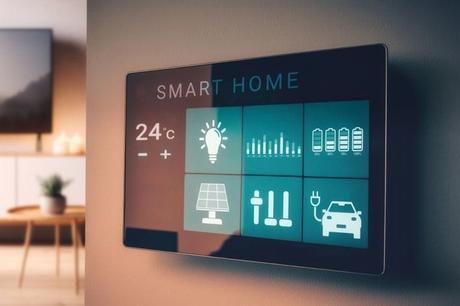
Smart heating controls provide one of the simplest ways to enhance comfort, reduce energy waste and take complete control of how your home is heated.
But with so many options available in the smart heating sphere – smart TRVs, programmable thermostats, zoned heating systems, app-controlled setups and varying degrees of compatibility with different boiler types – it’s little wonder that many homeowners are left asking which smart heating controls do I need?
This guide will explore the ideal smart heating options for your home based on what type of heating system you have, whether you require full-house control or zoned heating, if a smart thermostat or smart TRVs are most suitable, and which solution best aligns with your lifestyle for performance and efficiency.
How to choose the right smart heating controls
Step 1: What heating system do you have?
Before landing on any smart heating controls, you first need to understand what you’re working with.
Different systems support different levels of control.
Combi boiler systems
- Most common in UK homes
- Provide hot water and heating on demand
- Typically support smart thermostats and smart TRVs easily
Best options:
- Smart thermostat + optional smart TRVs for zoning
System or conventional boilers (with tank)
- Use a hot water cylinder
- Often already have separate heating and hot water controls
Best options:
- Smart thermostat with hot water control
- Smart TRVs for zonal heating upgrades
If you’re already using electric heating or considering a switch to this type of system, see our guide on which electric radiator you need for further insight.
Shop Thermostatic Radiator Valves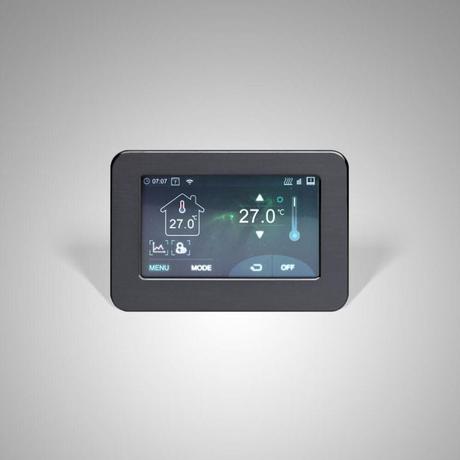
Step 2: Do you need zoned heating?
In a zoned heating system, smart heating controls are perhaps at their most integral.
What is zoned heating?
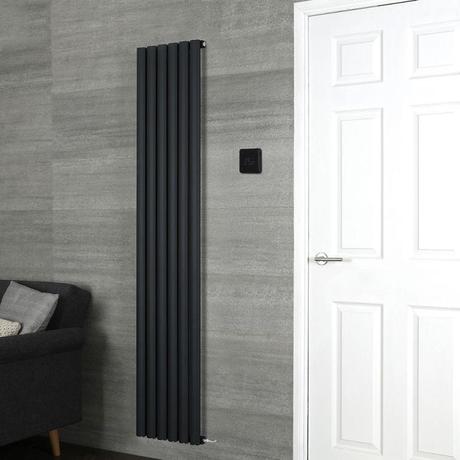
Zoned heating allows you to control and adjust the temperature of individual rooms independently.
As opposed to heating the whole house, you only heat up the spaces you’re using.
Why zoned heating matters
Without zoning:
- You heat unused rooms unnecessarily
- Energy is wasted
- Efficiency is reduced
With zoning:
- You heat rooms on an individual room-by-room basis
- Energy bills are reduced
- Comfort levels improve
Zoned heating scheduling principles example:
- Warm the living room to a comfortable temperature in the evening
- Bedrooms set to cooler temperature levels overnight
- Home office is heated during working hours only
Step 3: Smart TRVs vs smart thermostats
The differentials between smart thermostatic valves and smart thermostats can be one of the biggest areas of confusion in smart heating control investment. Listed below are the key attributes and advantages of each separate component.
Smart thermostats
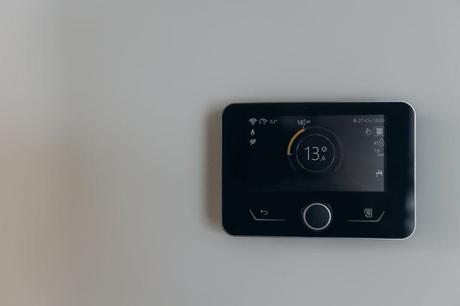
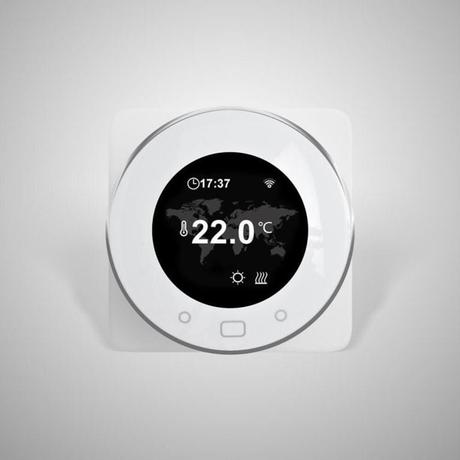
A smart thermostat can work as a modern upgrade to an existing manual thermostat, acting as a hub device for the centralised control of your heating system.
What it does:
- Sets overall home temperature
- Schedules heating times
- Connects to an app
- Learns your usage patterns (with certain models)
Best for:
- Whole-house control
- Simplicity
- Replacing outdated heating controls
Smart TRVs (thermostatic radiator valves)
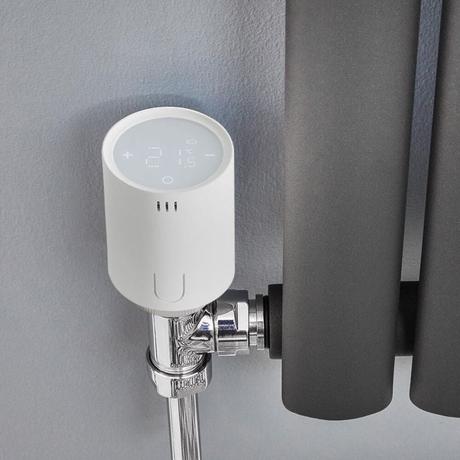
Smart TRVs are installed directly onto individual radiators.
What they do:
- Control heat output on a room-by-room basis
- Allow independent room scheduling
- Enable full zoned heating
Best for:
- Room-by-room control
- Reducing wasted heat
- Fine-tuning comfort
Do you need a smart thermostat and smart TRVs?
For optimal performance and efficiency of usage, an ideal smart heating control setup will include both a smart thermostat and smart TRVs.
The very best results stem from a smart thermostat controlling the overall system, with smart TRVs used to control individual rooms. This combination delivers full system control, maximum efficiency and the benefits of zoned heating practices.
Step 4: App control vs manual controls
Controlling home heating directly from a phone might not be the ticket for everyone, but many would seem to appreciate the functionality after giving it a go.
Manual/basic programmable controls
- Simple timers
- Fixed schedules
- No remote access
Best for:
- Smaller homes
- Predictable routines
- Lower upfront cost
Smart app-controlled systems
- Control heating from anywhere
- Adjust temperatures in real time
- Set zones and schedules
- Track usage
Best for:
- Busy households
- Changing schedules
- Energy-conscious users
Example benefits:
- Switch heating on before you return home
- Adjust temperature if plans change
- Avoid heating an empty house
Step 5: Compatibility considerations
Before committing to the purchase of any smart heating controls, always check compatibility with your heating system first.
Key things to check:
- Boiler type (combi, system, conventional)
- Existing thermostat wiring
- Radiator valve type (TRV compatible)
- WiFi signal strength in the home
- Whether you require a hub or bridge
Common compatibility issues
- Older boilers may require additional wiring
- Some radiators need valve adapters
- Weak WiFi signal can limit performance
If in doubt, it’s worth consulting a professional installer before committing to buy.
Which smart heating setup is right for you?
Which smart heating setup is right for you will depend on a few factors, not least which type of property the system is being fitted in.
Small homes or flats
- Smart thermostat
- Optional smart TRVs in key rooms
Why:
Simple, cost-effective control without overcomplication
Family homes
- Smart thermostat
- Smart TRVs throughout
Why:
Full zoned control reduces wasted heating and improves comfort
Homes with electric heating
- WiFi-enabled electric radiators
- Individual room control
Why:
Electric systems already naturally support zoned heating
Renovations or upgrades
- Full smart system with zoning
- App control
- Programmable schedules
Why:
Future-proof setup with maximum efficiency
Are smart heating controls worth it?
The short answer is yes. When properly utilised, smart heating controls can deliver numerous benefits, including the following:
- Reduce energy bills
- Improve comfort
- Eliminate wasted heating
- Adapt to your lifestyle
The biggest gains are a result of:
- Zoned heating
- Scheduling
- Avoiding heating unused rooms
Common smart heating mistakes to avoid
- The installation of a smart thermostat without zoning
- Ignoring compatibility with your existing heating system
- Overheating unused or scarcely used rooms
- Not using scheduling features
- Relying solely on manual adjustments
As obvious as it may seem, smart heating only works if you make proper use of its features.
How to choose the right smart heating controls
The most simplified scenarios for selecting the right smart heating controls are shown below:
 Simple upgrade → Smart thermostat
 Room-by-room control → Smart TRVs
 Maximum efficiency → Thermostat + smart TRVs
 Remote access → App-controlled system
 Minimal setup → Programmable controls
Find your ideal smart heating controls with BestHeating
Finding your ideal smart heating controls isn’t about opting for the most advanced system for the sake of it. It involves selecting the perfect system that fits your home and how you live in it.
Essentially, consider what type of heating system you have installed, decide on whether you favour zoned heating, ensure compatibility and choose the right level of heating control and you can’t go far wrong. Following these steps will see you enjoy a smart heating system that is more responsive, efficient and comfortable overall.
BestHeating offer an excellent choice of smart heating controls, smart radiator valves and WiFi-enabled heating solutions designed for seamless integration into modern UK home heating systems.
Explore our smart heating collection online today, or get in touch with us about your smart heating control upgrades on Instagram, Facebook or X.