“Populism” is the political word du jour. America has its first president so labeled, and “populist” parties are thriving throughout Europe. What exactly does “populism” mean?
“Populism” connotes the people ruling and getting what they want. Of course, all democratic politics is supposed to entail the people (a majority) having their way, that’s what voting is all about. But today’s populism reflects a notion that somehow “the people” have not been getting what they want, because the system is rigged against them by elites, who have to be pulled down. A theme of both the right and left.
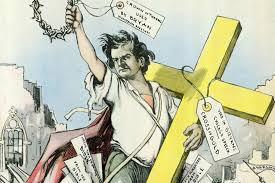
America had a “People’s Party” in the late 1800s, also called “Populist,” whence we get the modern usage.
Sigmund Freud divided the mind among the super-ego, the rational moral cogitator; the id, the primal instinctual unconscious; and the ego which pragmatically mediates between them.
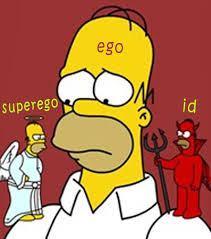
This is epitomized by modern populism’s xenophobia, racialism, and economic nationalism. They manifest in hostility toward immigrants, toward ethnic and cultural diversity, and toward free trade. And in favor of misguided and counterproductive policies that will not “make America great again,” but worse. Likewise Britain’s vote to leave the European Union — quintessential populism. This is the id, not reason, in charge.
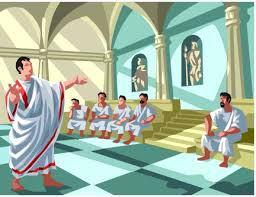
“Optimates” versus “populares” type class conflict is actually an eternal political phenomenon. But in America, until recently at least, the elites were seen to have a certain moral authority, were accorded a certain deference, were looked to for guidance. The nation had a sense of common purpose. However, all that has been eroded by a populist ethos of egalitarianism and individualism, with Joe Sixpack deeming himself equal, and maybe even in a down-to-earth way superior, to the “optimates.” And woe betide any “leader” who tells him nay. Politicians are cowed from making the case for anti-populist policies like liberal immigration and free trade.