When it comes to American football, each position holds its own unique importance, but few are as versatile and crucial as the tight end. If you've ever wondered what tight end do in football, you're in for a treat. The tight end position is a fascinating blend of skills that combines the roles of an offensive lineman and a wide receiver. They are the unsung heroes on the field, capable of executing blocks, catching passes, and creating mismatches against defenders.
This multi-faceted role is why tight ends like Rob Gronkowski and Travis Kelce have not only become household names but also pivotal players in their teams' offensive schemes. Tight ends are often the players that can change the dynamics of a game, making them a critical component of any successful offense.

In this blog post, we'll dive deep into the anatomy of a tight end. We'll explore their body types, how they are utilized in various offensive schemes, and why they are so essential to a football team's strategy. You might be surprised by just how much goes into being a tight end and how their skills can significantly impact the game.
From traditional tight ends who line up with their hands in the dirt to modern H-backs that offer a new level of versatility, we will cover it all. So, whether you're a budding coach, a passionate fan, or someone new to the sport, stick around to learn everything you need to know about what tight end do in football.
The Body Types of Tight Ends
First off, let's talk about the body types associated with tight ends. They are typically larger than wide receivers but more agile than offensive linemen. This unique combination allows them to perform both blocking and receiving duties effectively. They need to be strong enough to take on defensive linemen and linebackers while also being quick enough to run routes and catch passes.
Think about prominent tight ends in the NFL today, like Rob Gronkowski and Travis Kelce. These players exemplify the ideal tight end physique: strong, athletic, and versatile. Their size allows them to be effective blockers, while their athleticism enables them to run routes and make catches that can turn the tide of a game.
Traditional vs. Modern Tight Ends
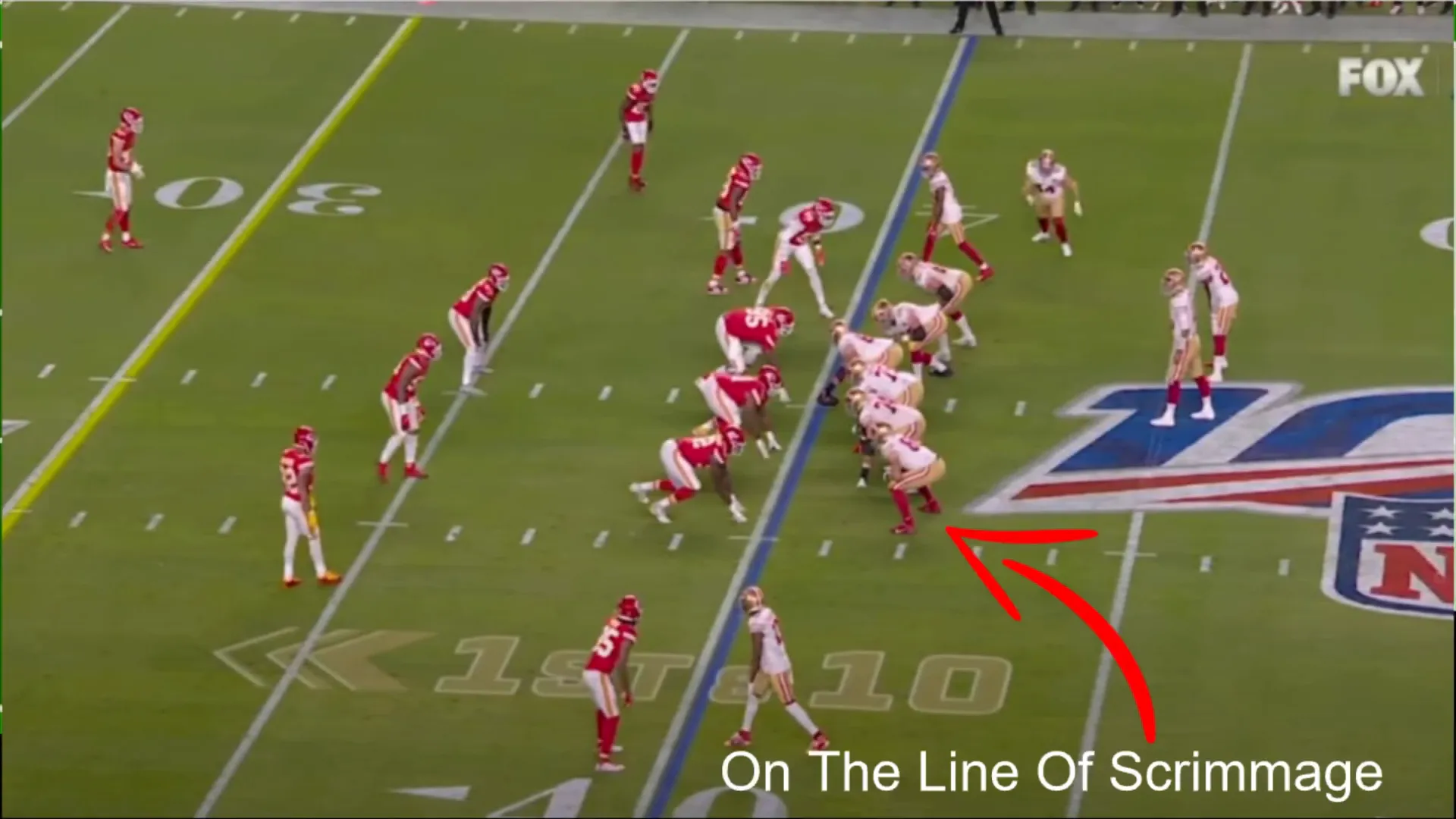
Tight ends can be categorized into two main types: traditional and modern. Traditional tight ends, like George Kittle, often line up with their hands on the ground, focusing primarily on blocking. Their primary role is to protect the quarterback and create running lanes for the running backs.
On the other hand, modern tight ends often take on a more versatile role. They may line up in various positions across the formation, acting almost like an H-back. This versatility allows them to block, catch passes, and even run the ball, making them a valuable asset in today's spread offenses.
How Tight Ends are Used in Offensive Schemes
The way tight ends are utilized varies significantly depending on the coach's offensive scheme. In a traditional offense, tight ends are often used as blockers, helping the offensive line protect the quarterback and clear paths for running backs. However, in modern offenses, especially those that utilize spread concepts, tight ends can be key players in the passing game.
For example, in a spread offense, tight ends may line up in the slot or even out wide, creating mismatches against linebackers or defensive backs. This is where their athleticism shines. Coaches can exploit these mismatches, knowing that a tight end is likely to be faster than a linebacker and stronger than a defensive back. This is why players like Rob Gronkowski have become matchup nightmares for defenses; they can dominate regardless of who is covering them.
Real-World Examples
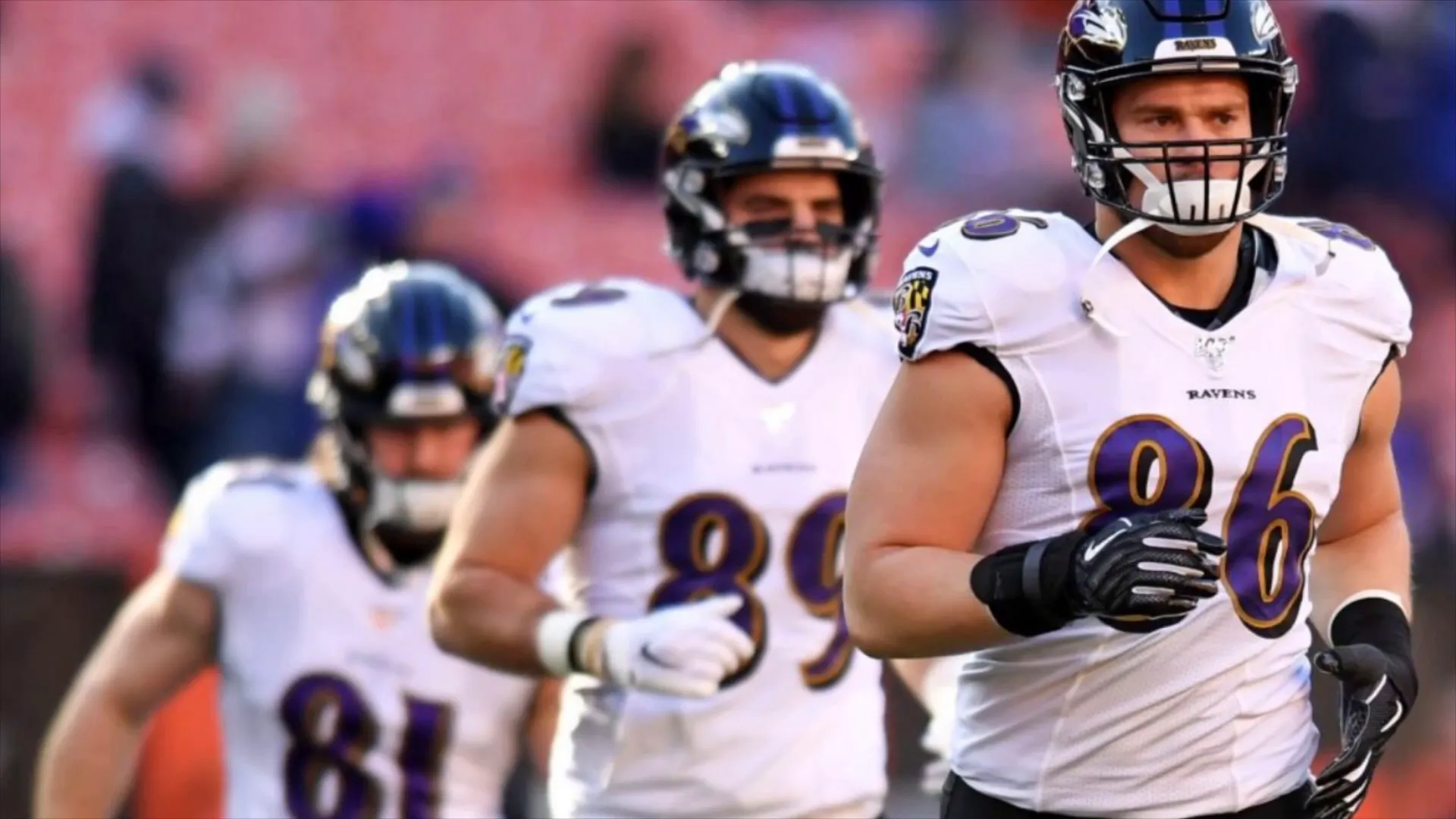
Take the Baltimore Ravens, for instance. They have successfully utilized multiple tight ends in their offensive schemes, creating confusion for opposing defenses. When teams face the Ravens, they must decide whether to put a linebacker or a defensive back on the field to cover their tight ends. This decision can shape the entire defensive strategy, showcasing just how vital tight ends are in football.
Why Are Tight Ends Important?
The importance of tight ends in football cannot be overstated. They are essential for creating mismatches, providing blocking support, and adding another layer to the passing game. Coaches must account for tight ends in their game plans, as they can dramatically alter how a defense operates.
For instance, if a team has a tight end who can effectively block and catch passes, defenses are forced to adjust their personnel accordingly. Do they keep a linebacker on the field to handle the tight end's blocking duties? Or do they substitute in a defensive back to cover their receiving ability? Each choice comes with its own set of risks and rewards, making tight ends a pivotal part of any offensive strategy.
Matchup Nightmares
One of the most significant advantages tight ends bring to the table is their ability to create mismatches. As mentioned earlier, players like Rob Gronkowski have shown how effectively they can exploit these mismatches. If a linebacker is assigned to cover a tight end, they are often at a disadvantage due to the tight end's speed and agility. Conversely, if a defensive back is brought in to cover a tight end, they may struggle with the tight end's size and blocking ability.
This dilemma forces defensive coordinators to think critically about their personnel choices and can lead to defensive breakdowns if not managed correctly. It's a chess game, and tight ends are often the queens on the board—capable of moving in multiple directions and creating significant threats.
Conclusion
In summary, the tight end position is one of the most dynamic and essential roles in football. They embody a unique blend of size, strength, and agility that allows them to impact the game in various ways. Whether blocking for the run game, making critical catches, or creating mismatches against defenders, tight ends are versatile players that every successful team needs.
As we’ve explored, understanding what tight end do in football goes beyond just knowing their position on the field. It's about recognizing their strategic importance in both offensive and defensive schemes. So the next time you're watching a game, pay close attention to the tight ends. You'll see just how crucial they are to the overall success of their teams. If you want to learn more about offensive and defensive strategies, check out the courses available on our website.
Also Read: How Many Players On Offense in Football
FAQs
What is the primary role of a tight end?
The primary role of a tight end is to block for the run game and provide a receiving option in the passing game. They are versatile players who can take on multiple roles depending on the offensive scheme.
How do tight ends create mismatches?
Tight ends create mismatches by using their size and speed to exploit defensive matchups. If a linebacker is assigned to cover a tight end, they may struggle due to the tight end's athleticism. Conversely, a defensive back may not be able to match the tight end's size and strength when it comes to blocking.
Who are some of the best tight ends in NFL history?
Some of the best tight ends in NFL history include Rob Gronkowski, Tony Gonzalez, and Travis Kelce. These players have set high standards for the position with their exceptional skills and contributions to their teams.
Can tight ends be used in the run game?
Absolutely! Tight ends are often used in the run game as blockers, helping to create lanes for running backs and protect the quarterback. Their blocking skills are crucial for a balanced offensive attack.