


Moisture and water can considerably reduce the life of a building or construction.
When water the floor through a seepage or hole, molds start forming. Molds continuously produce spores and release them into the environment. These spores spread through the rest of the building and causes a musty smell. All of this reduces quality of life and causes health problems.
Older buildings suffer from moisture and dampness. Newer buildings too can suffer from the same issues. The water that causes moisture and cracks can come from a variety of sources of which wall is a main culprit. Waterproofing the floor is the ultimate solution to the problem.
Basements require special attention for waterproofing since they are affected by reasons different from the rest of the home. Of the various options available, epoxy paint and sealed concrete are very good options. They are durable, affordable and provide adequate waterproofing.
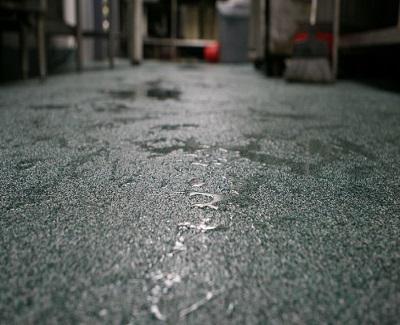
A concert floor should be sealed with a waterproof sealing paint. Using a dye or stain before sealing it, will add to the décor of the floor. Not just the basement, even the kitchen and wet areas of the home like the bathroom need to be waterproofed. The big thing about this problem is that before one learns about the damage, the damage has been caused.
While cutting corners may be playing in one’s mind, waterproofing the home has to be taken care of to prevent serious damage later on. Using a liquid rubber membrane to seal off areas to contain any water leakage is often one method. Waterproofing is required wherever there’s water outlet in the home. That could be bathrooms, kitchens, laundries, taps, drains etc and any other area that is exposed to water.
The height of waterproofing required depends on what we are waterproofing and what materials are being used to waterproof. Waterproofing can be a DIY thing. However, a building inspector may perform investigations to determine if rules have been followed.
Choose the area to waterproof and determine what could be the possible areas of concern. Decide upon the material that will be required. Depending on your choice, get a material that also meets the budget you have in mind.
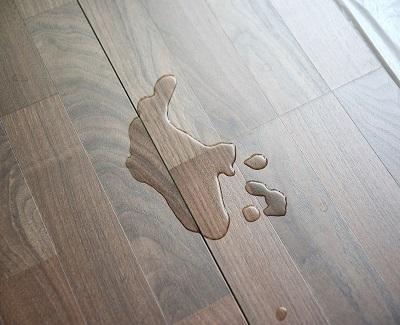
Look for clues around the house that will tell you that there is a possible leakage that needs to be filled.
The plumbing system in the house could cause problems with water getting into the house. At times, looking carefully into pipes, drainages, gutters for any blockages caused by dead birds, leaves, moss may help detect the source of the underlying problem. The guttering could be a problem. Is there a loose slate in the roof? Sometimes damp walls could be the result of condensation damp problems. Using extractor fans in rooms that produce a lot of steam may help reduce the problem and switch on the fan and keep the doors closed.
Often digging away the soil that butts against the exterior wall can help stop the formation of damp patches.







