


wellhealthorganic.com:vitamin-e-health-benefits-and-nutritional-sources: Vitamin E is a vital nutrient with numerous health benefits. It acts as a powerful antioxidant, protecting cells from damage caused by free radicals and reducing the risk of chronic diseases like heart disease and cancer. Vitamin E also plays a crucial role in immune function, supporting a healthy immune system response. Additionally, it aids in maintaining healthy skin, promotes eye health, and may have anti-inflammatory properties.
Good sources of vitamin E include nuts and seeds, such as almonds and sunflower seeds, spinach, broccoli, avocado, and vegetable oils like sunflower and wheat germ oil. Incorporating these foods into your diet can help ensure an adequate intake of vitamin E.
What is Vitamin E?

Vitamin E is a fat-soluble vitamin that is essential for human health. It is found in a variety of foods and is also available in supplement form. Vitamin E is known for its antioxidant properties, which help protect the body from damage caused by free radicals.
Types of Vitamin E
There are eight different forms of vitamin E, but the most common and biologically active forms are alpha-tocopherol and gamma-tocopherol. Alpha-tocopherol is the form of vitamin E that is most commonly found in supplements and is the most easily absorbed by the body. https://92digitaltech.com/wellhealthorganic-com-vitamin-e-health-benefits-and-nutritional-sources/
Health Benefits of Vitamin E
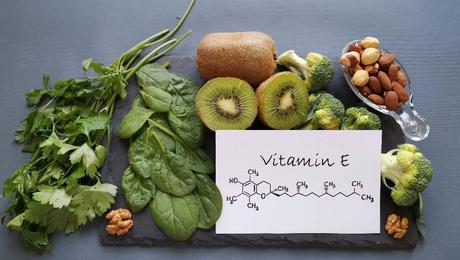
1. Protects Skin Health
Vitamin E is essential for maintaining healthy skin. It helps to protect the skin from damage caused by UV radiation and other environmental stressors. It also helps to moisturize the skin and can improve the appearance of fine lines and wrinkles.
2. Boosts Immune System
Vitamin E plays a vital role in the functioning of the immune system. It helps to stimulate the production of immune cells and can improve the body’s ability to fight off infections.
3. Promotes Eye Health
Vitamin E is important for maintaining good eye health. It helps to prevent cataracts and macular degeneration, which are common age-related eye conditions.
4. Reduces Risk of Cancer
Vitamin E has been shown to reduce the risk of certain types of cancer, including prostate, lung, and breast cancer. It works by preventing the formation of free radicals, which can cause damage to cells and increase the risk of cancer.
5. Improves Brain Function
Vitamin E is essential for proper brain function. It helps to protect the brain from damage caused by free radicals and can improve cognitive function in older adults.
Nutritional Sources of Vitamin E
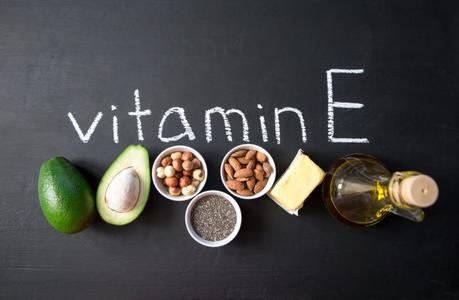
Vitamin E is found in a variety of foods, including:
1. Nuts and Seeds
Almonds, sunflower seeds, and hazelnuts are all excellent sources of vitamin E.
2. Leafy Greens
Spinach, kale, and other leafy greens are also good sources of vitamin E.
3. Vegetable Oils
Vegetable oils, such as wheat germ oil, sunflower oil, and safflower oil, are rich in vitamin E.
4. Fortified Foods
Many foods, such as breakfast cereals, are fortified with vitamin E to provide additional nutritional benefits.
How Much Vitamin E Do You Need?
The recommended daily intake of vitamin E varies depending on age and gender. The daily recommended intake for adults is 15 milligrams (mg) or 22.4 International Units (IU) of vitamin E. However, it’s important to note that taking high doses of vitamin E supplements can be harmful.
Vitamin E Supplements
Vitamin E supplements are available in the form of capsules, tablets, and oils. While supplements can be helpful for people who don’t get enough vitamin E through their diet, it’s important to speak with a healthcare provider before taking any supplements. High doses of vitamin E supplements can cause bleeding and other health problems.
Precautions and Side Effects
In general, vitamin E is considered safe when taken in recommended doses. However, taking high doses of vitamin E supplements can cause nausea, diarrhea, and other gastrointestinal symptoms. Vitamin E can also increase the risk of bleeding, especially in people taking blood-thinning medications.
Conclusion
Vitamin E is an essential nutrient that offers a range of health benefits. From protecting skin health to boosting the immune system and reducing the risk of cancer, vitamin E plays a vital role in maintaining good health. While vitamin E supplements can be helpful for people who don’t get enough vitamin E through their diet, it’s important to speak with a healthcare provider before taking any supplements.






