The importance of vaccination when it comes to dogs can’t be stressed enough. Every dog owner must make sure to protect their pets from illnesses; hence, the significance of getting dog shots. You don’t have to do this alone, in fact, it’s highly recommended to let your dog’s vet give the shot to your pet. What you, as a dog owner, need to do is to understand why dog shots are necessities and why there’s no excuse for not getting them for your pet.
In plain English, here are some information that will make you understand the importance of dog vaccinations.
1. There are two main categories of vaccines for dogs: essential and situational. As the word implies:
Essential vaccines are those that are required by law and/or prevent especially contagious, widespread, or severe diseases. The essential vaccines for dogs are rabies, canine distemper virus, canine parvovirus type 2, and canine adenovirus type 2. Every dog should receive these on a schedule known to provide them with continuous protection or (except in the case of rabies) be monitored via serology (titers) to determine when a booster is needed. Exceptions can be made when a serious health concern (e.g., a previously documented anaphylactic reaction or a current diagnosis of serious disease) makes the risk of vaccination higher than its benefits. - source
The mere mention of “dog rabies” can create fear to even the most loyal and patient dog lover. Rabies shots is also the most frequently asked topic when it comes to dog health, particularly to the new ones. That fear and constant questioning alone show how significant for your dog to get his rabies shot. This shot will not only help your pet stay healthy and strong, but it’ll also help you avoid medical expenses and even sometimes, getting sued in the event your dog bites someone.
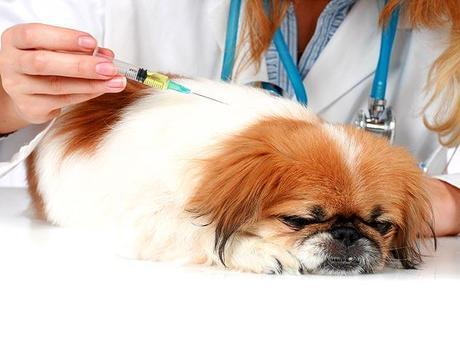
- image source Let the professional do the shots.
2. Although vaccines are very important to your dog’s health, it’s worth knowing and understanding that you not every dog or breed needs to be vaccinated against all the illnesses and diseases that may infect the pet. That’s where the help of a vet comes in spades.
Factors that should be examined include age, medical history, environment, travel habits and lifestyle. Most vets highly recommend administering core vaccines to healthy dogs.
What are core vaccines?
In 2006, the American Animal Hospital Association’s Canine Task Force published a revised version of guidelines regarding canine vaccinations. The guidelines divide vaccines into three categories-core, non-core and not recommended.
- Core vaccines are considered vital to all dogs based on risk of exposure, severity of disease or transmissibility to humans. Canine parvovirus, distemper, canine hepatitis and rabies are considered core vaccines by the Task Force.
- Non-core vaccines are given depending on the dog’s exposure risk. These include vaccines against Bordetella bronchiseptica, Borrelia burgdorferi and Leptospira bacteria.
Your veterinarian can determine what vaccines are best for your dog. - source
3. Keep in mind that after the dog shots, healthy canines will start the production of the antibody with strong immunity that will be completed after two weeks. Within that 14-day period of antibody build-up, your dog may still be susceptible to infection.