


Hot water systems are an essential component of modern households, providing comfort and convenience for various daily tasks. When it comes to choosing the right hot water system for your home, it’s important to understand the different types available in the market. In this comprehensive guide, we will explore various hot water systems, their features, benefits, and considerations to help you make an informed decision.
- Conventional Storage Tank Water Heaters:
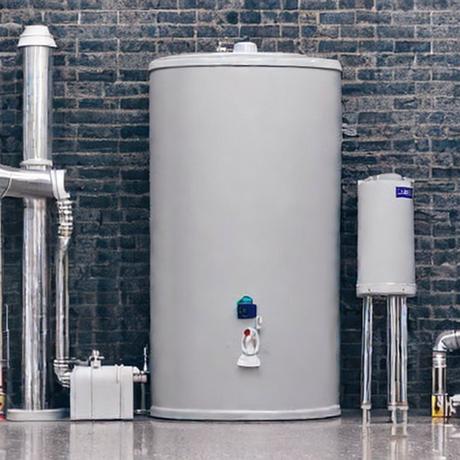
Conventional storage tank water heaters are the most common and traditional type of hot water systems. They consist of a large tank that stores and heats water, ready for use whenever needed. These systems typically run on electricity, gas, or oil. While they are affordable and familiar, they do have some drawbacks, such as limited hot water supply and standby heat loss. - Tankless Water Heaters:
Tankless water heaters, also known as instant hot water systems, have gained popularity in recent years. They heat water directly as it flows through the unit, eliminating the need for a storage tank. Tankless systems offer benefits such as energy efficiency, unlimited hot water supply, and space-saving design. However, they may have higher upfront costs and require specific installation considerations. - Heat Pump Water Heaters:
Heat pump water heaters utilize a different mechanism to heat water. They extract heat from the surrounding air or ground and transfer it to the water. This process makes them highly energy-efficient, as they consume less electricity compared to traditional storage tank heaters. Heat pump systems work best in moderate to warm climates and may require larger installation spaces. - Solar Water Heating Systems:
Solar hot water systems harness the power of the sun to heat water. They consist of solar collectors that absorb sunlight and transfer the heat to a fluid, which then circulates through a heat exchanger to warm the water. Solar water heaters are environmentally friendly and can significantly reduce energy costs over time. However, they require adequate sunlight and space for installation. - Hybrid Water Heaters:
Hybrid water heaters combine the technology of conventional storage tank systems with heat pump technology. These systems are highly efficient, as they can switch between using heat pump technology or traditional heating methods based on demand. Hybrid water heaters are a suitable option for those seeking energy savings without fully transitioning to a tankless or heat pump system. - Point-of-Use Water Heaters:
Point-of-use water heaters are compact units installed near the specific points of water usage, such as under sinks or near showers. They provide instant hot water at the desired location, eliminating the need for long hot water pipe runs and reducing water wastage. Point-of-use water heaters are ideal for small spaces or for supplementing the main hot water system.
When choosing a hot water system, consider factors such as your household’s hot water demand, available energy sources, space constraints, upfront and operating costs, and environmental considerations. Consulting with a professional plumber or hot water system specialist can help you assess your needs and select the most suitable system for your home.
Remember, each type of hot water system has its own advantages and considerations, so it’s essential to weigh your priorities and make an informed decision based on your unique requirements. With the right choice, you can enjoy efficient, reliable, and comfortable hot water supply throughout your home.






