


Italy is a country that is often associated with its iconic landmarks, such as the Coliseum in Rome, and its delicious food. But there are many underrated places to visit in Italy that are often overlooked by tourists. Here we’ll explore some of the best hidden gems that Italy has to offer.
The island of Sardinia
The island of Sardinia is a spectacular destination for travelers looking for an off-the-beaten-path experience. Located off the coast of mainland Italy, it’s known for its stunning beaches and crystal clear waters. The city of Cagliari is a great base for exploring the rest of the island, as it’s home to some stunning architecture and historical sites, such as the Cathedral of Santa Maria. In addition to its beautiful coastline, Sardinia also offers locals and visitors alike plenty of opportunities to explore traditional villages and monuments from centuries past.
The Dolomite Mountains
The Dolomite Mountains are another underrated destination in Italy. This dramatic mountain range spans across Northeast Italy near the border with Austria. It’s known for its picturesque alpine villages, like Brunico and Bolzano, but also boasts incredible natural beauty including some magnificent valleys, lakes, forests and rocky peaks reaching up to 10 thousand feet high!
For those looking to enjoy more urban attractions while still experiencing nature up close, a visit to Trento is highly recommended; this vibrant town has numerous historic sites like Palazzo delle Albere or Castello del Buonconsiglio where visitors can learn about Italian culture through centuries old artifacts.
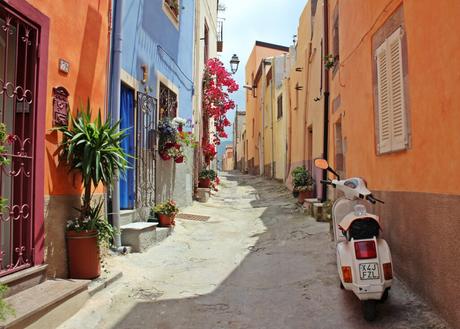
Mediterranean Sea
No trip around Italy would be complete without visiting one of its many islands located in the Mediterranean Sea. The smaller island of Ischia is often overshadowed by nearby Capri but offers visitors plenty of attractions all its own: thermal springs with healing waters occupy much of southern Ischia while lush vineyards can be found on the northern part of the island perfect for anyone interested in tasting Italian wines from local producers!
Another option is Elba Island – famous for being Napoleon Bonaparte’s exile spot – which offers travelers stunning coastal views along with quaint towns like Portoferraio or Marciana Marina which provide a unique glimpse into Tuscany’s history and culture.
Puglia
Last but not least we have Puglia – sometimes called “the heel” due to its location on the boot-shaped peninsula that makes up most of Southern Italy – which provides travelers with stunning white sandy beaches set against rolling hillsides dotted with olive groves and fortified castles dating back hundreds of years!
Cities like Bari or Lecce will provide an insight into local life while Ostuni – known as “The White City” due to its brightly colored buildings – will give visitors an opportunity to truly explore what makes Puglia so special.
The Dolomites or ski resorts
Italy has something for everyone! From mountain getaways in The Dolomites or ski resorts in Northern Italy, to sunbathing on one of her many coastlines or exploring amazing cities filled with history and culture; there really isn’t any shortage when it comes to destinations here that should not be missed!
With so much diversity all within relatively close proximity – each offering their own unique atmosphere – it’s no wonder why this corner of Europe continues to remain one of the world’s most popular vacation spots year after year! So if you’re looking for an unforgettable journey filled with sunsets worth remembering forever then consider taking a trip down south on ‘the boot’ – you won’t regret it!
If you’re planning a trip to Italy, it’s worth exploring some of its lesser-known gems. These destinations are packed with local flavour, incredible culinary delights and rich history.
The region of Puglia is full of beautiful towns and villages that are not as popular with tourists as other Italian regions like Sicily and the Amalfi Coast. There’s also the quaint town of Verona, famous for its Juliet balcony and a marvelous Roman amphitheater.
Lago di Carezza
There are a lot of famous lakes in Italy, such as Lake Garda and Lake Como, but there are also many other beautiful and underrated places to visit. One of these is Lago di Carezza, a small alpine lake in the mountains of South Tyrol in northern Italy.
It’s often referred to as Karersee Lake and is known for its emerald-hued waters and spectacular views of the peaks of the Latemar mountain range. It’s easily accessible from the town of Carezza and is well worth a stop, even just for a picture or two!
However, the lake is a protected conservation area and you won’t be allowed to swim in or even touch it. The water is full of color and there are plenty of photo spots to explore around it, but it’s best to avoid jumping the fence (which is marked with warnings in German, English and Italian).
Another thing to remember is that there are lots of different hiking trails around the lake, which are all well signposted and easy to follow. There are trails of varying lengths and difficulties, so it’s definitely worth checking them out when planning your trip to Lago di Carezza.
If you’re a fan of hiking, you can try a trail that takes you from the car park to the west side of the lake, through the forest and back. It’s an easy, family-friendly hike that will give you a great workout while taking in some fantastic views!
There are also several other trails in the vicinity, so you can extend your trip and explore more of this amazing region. It’s a good idea to check the tourist office in Carezza for information on the different trails before heading out, as this can help you plan your day effectively and ensure you get the most out of your visit!
If you’re looking to make the most of your time at Lago di Carezza, it’s a good idea to start early in the morning. This will give you more time to take pictures and explore the lake without the crowds. The best time to visit is around sunrise, when the weather is still nice and it’s less busy.
Maratea
Maratea is a beautiful town on the Tyrrhenian coast. It is nicknamed ‘the pearl of the Tyrrhenian’ due to its spectacular scenery and coastline. Unlike many other Italian coastal resorts, Maratea has not become crowded with tourists in the past few decades, and it remains one of Italy’s best undiscovered spots to enjoy an authentic Italian beach break.
Located half way between sky and sea, the town of Maratea combines the charms of the Amalfi Coast with the rugged beauty of the Mediterranean. With a stunning coastline dotted with cliffs and high inland towers, Maratea is the perfect place to experience a memorable holiday.
The city is home to a number of churches and chapels, some of which are still used today. Among them are the Basilica of S. Maria Maggiore and the Church of San Biagio, both built over temples to Minerva.
In front of these, you will find the Christ the Redeemer statue, made of pure Carrara marble in 1965 by Bruno Innocenti. This 22-metre-high statue is an attraction for both locals and visitors from all over the world.
A divine coastline
The 32-kilometre stretch of coastline is a succession of steep rocky walls, overhanging headlands, sandy shores, gravel beaches, small charming coves, some accessible only by boat, and a tiny island called Isola di Santo Ianni that has been home to the Romans for thousands of years.
A mesmerizing statue
The most famous landmark in Maratea is the Statue of Christ the Redeemer, sculpted by Bruno Innocenti from Florence in 1965. The statue stands on the top of Monte San Biagio in the basilica, and is one of the tallest statues in Europe.
It is a symbol of faith and hope, and it is also an ethereal, mysterious and cryptic icon that is both captivating and spiritual. The Christ statue evokes feelings of awe, and it is possible to walk up to the top of Mount San Biagio to admire this incredible site from a distance.
There are plenty of things to do in Maratea if you’re not staying here, and you can explore the surrounding settlements by bus or car (see our links panel for timetables). The port village of Maratea Porto is worth a visit, as is Fiumicello and Castrocucco.
Ostuni
If you love history and a little bit of mystery, Ostuni is the place for you. This enchanting medieval city is built on a hill to protect it from invaders and is home to a maze of narrow alleyways, staircases and arches.
Known as the White City, Ostuni is a dazzling place to explore. The bright white houses reflect the blue skies and the Adriatic sea as you wind your way around its cobbled streets.
This ancient town is home to a number of fascinating museums and art galleries, including the Museo di Civilta Preclassiche and Orizzonti Arte Contemporanea. Its cathedral blends Gothic, Romanesque and Byzantine elements to create a stunning building that is a must-visit while you’re in the area.
You can easily spend a day exploring the city on your own, but it’s worth getting a guided tour of the town. These are usually very reasonably priced and take you around the best parts of the city.
Another highlight of the town is a visit to one of its famous Masserias (olive oil farms). You can learn about the process and taste some of the finest olive oil in the region at the Masseria Brancati, which has been producing its oil since the 14th century.
The masserias are also a great place to get a feel for the traditional way of life in Ostuni. You’ll get to see how locals still produce the traditional olive oils and other products from this region, as well as interacting with the local farmers and workers.
There’s also a great market every Saturday and a bustling nightlife. You’ll find a range of bars and restaurants throughout the old town, and you can even sample some local dishes at the many cafés.
Ostuni has some of the most beautiful piazzas in Italy, so you can spend hours soaking up the sun, people-watching and taking in the sights of this gorgeous city. The Piazza della Liberta is particularly lovely and features a 20-metre-high 18th-century column that sits in the center of the piazza.
The town also has a number of interesting museums, including the Museo Civico which is housed inside an antique convent and contains various archaeological finds and artworks. It is also home to the Orizzonti Arte Contemporanea gallery, which has an excellent collection of works by local artists.
Siena
Siena is a UNESCO world heritage site in Tuscany that offers an impressive array of attractions. Its soaring Gothic architecture and warren of medieval cobblestone alleys are a sight to behold. The city is also a popular departure point for vineyard tours, cooking classes, horseback outings and hot air balloon adventures.
Visiting the historical center is the best way to experience the heart of Siena. Explore the streets and you’ll find yourself stumbling upon hidden treasures. From little cobbled alleys filled with artist studios to shops and cafes, there’s no shortage of sights to see.
One of the top attractions in town is the Cathedral, which has a fascinating history and stunning architecture. There are many places to visit inside the Duomo, including the Piccolomini Library, the Baptistery, the Opera Museum and the Panorama and New Duomo (Facciatone).
Another place you can’t miss is the Church of San Domenico which has a unique design that blends different styles from various periods. You can also climb to the Torre del Mangia to get a better view of the city.
In Siena you can also take a tour of the Palazzo Pubblico which has an incredible collection of art and sculpures that showcase the history of the city. Among the most important pieces of art are the panels of the Hall of Nine by Ambrogio Lorenzetti and the famous frescoes by Simone Martini.
A fun thing to do in Siena is to go to a Palio race, which has been held twice a year since the 13th century and involves bare-back horses running around the piazza in a tense competition. It’s an exciting experience that’s a must for anyone interested in historic events.
If you’re a big fan of Medieval art, be sure to visit the Civic Museum, which is housed in the Palazzo Pubblico and abounds with fascinating sculpures and artworks. This museum is home to masterpieces of artists like Ambrogio Lorenzetti and Simone Martini, as well as paintings by Guido da Siena and Beccafumi.
If you’re a lover of nature, you can also head to the Natural History Museum, which features taxidermied animals and artifacts. The church is also worth a look, with its beautiful gothic brick facade and marble-banded interior with wooden ceilings.






