


The West Highland Way is one of those trails that transcends the hiking community echo-chamber. Having already been one of the most famous hiking trails in the UK, to then being prominently featured on social media by various celebrities over the past few years, it is a trail that is likely on most people’s travel lists, regardless of them being an enthusiast or not.
Getting to walk the West Highland Way in 2023 was a privilege and a trip that will live in my memory for years to come! With it fresh in my memory and with plenty of photos to share, I thought I’d share my experience in this blog so that it might help you in planning your own hike of the West Highland Way.
Here is a list of the things covered in case you would like to skip to a specific section.
- Overview of the West Highland Way
- Stages of the West Highland Way
- Transportation to and from the West Highland Way
- Accommodation Along the West Highland Way
- Hostels:
- B&Bs:
- Hotels:
- Wild Camping and Right to Roam on The West Highland Way
- Gear and Equipment for the West Highland Way
- Physical and Mental Preparation for the West Highland Way
- Best Time to Hike the West Highland Way
- Navigating the West Highland Way
- Beyond the West Highland Way
Overview of the West Highland Way
The West Highland Way, spanning 96 miles from Milngavie to Fort William in Scotland, is a captivating journey through diverse landscapes. This iconic trail winds through rolling lowlands, serene shores of Loch Lomond, and the rugged grandeur of the Scottish Highlands, culminating at the base of Ben Nevis.
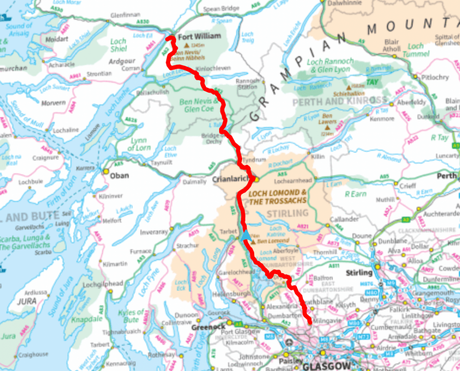
It offers hikers a blend of natural beauty, challenging terrains, and a deep dive into Scottish history and culture. Ideal for long-distance hikers, the trail promises an unforgettable adventure through some of Scotland’s most stunning and storied landscapes.
Stages of the West Highland Way
Utilizing HiiKER’s detailed guide to the West Highland Way, I embarked on a journey through each distinctive stage of this celebrated trail:
- Milngavie to Drymen: My hike began with an easy walk through rolling farmlands and peaceful woodlands. This initial stage set a gentle pace, allowing me to prepare for more challenging days ahead.
- Drymen to Rowardennan: The trail transitioned to the bonny banks of Loch Lomond, presenting a mix of serene waterside paths and occasional rugged terrain. The view of Ben Lomond towering in the distance was truly spectacular.
- Rowardennan to Inverarnan: Trekking along Loch Lomond’s eastern shore, I navigated through more challenging paths. The rugged beauty of the loch, coupled with the dense woodland, created a sense of seclusion and wonder.
- Inverarnan to Tyndrum: Moving deeper into the Highlands, this stage took me through the scenic Glen Falloch. The historical ruins of St. Fillan’s Priory along the way added a touch of mystique to the hike.
- Tyndrum to Inveroran: The expansive Rannoch Moor stretched before me, a vast and desolate landscape that was both daunting and awe-inspiring. The sense of isolation in this sprawling moor was profound.
- Inveroran to Kingshouse: This was a day for dramatic landscapes, as the path skirted the base of the imposing Buachaille Etive Mòr. The scale and beauty of the Highlands were on full display, leaving me in awe.
- Kingshouse to Kinlochleven: The ascent of the Devil’s Staircase was a highlight, challenging yet rewarding with its panoramic views over Glencoe. Descending into Kinlochleven, I felt a mix of exhaustion and elation.
- Kinlochleven to Fort William: The final stage brought a sense of anticipation and reflection. Approaching Fort William and catching the first glimpse of Ben Nevis marked a fitting end to an incredible journey through the heart of Scotland.
Each stage of the West Highland Way revealed a different facet of Scotland’s natural and historical landscape.
You can of course create your own itinerary for the trail, but these stages provided by HiiKER made the planning much easier to manage.
Transportation to and from the West Highland Way
Reaching the start of the West Highland Way in Milngavie and departing from Fort William is relatively straightforward. I arrived in Scotland at Glasgow Airport, which is conveniently close to Milngavie. A short train ride from Glasgow Central Station took me directly to Milngavie, where the trail begins. I had visited Glasgow before. It’s a nice city, but I had no interest in spending more time than needed there.
At the end of the trail in Fort William, I had several options to return to Glasgow. Buses and trains are readily available. I opted for the train journey, which was slightly longer than the bus, but felt it was more a relaxing way to return.
Accommodation Along the West Highland Way
Along the West Highland Way, there is a variety of accommodation options to suit different preferences and budgets. From my experience and based on the suggestions from HiiKER’s accommodation maps, here are some recommendations:
Hostels:
- Rowardennan Youth Hostel: Located by the tranquil eastern shores of Loch Lomond, it offers a scenic and affordable resting spot.
- Glencoe Youth Hostel: Nestled in the heart of Glencoe, it’s perfect for those seeking comfort amidst the dramatic Highland landscapes.
B&Bs:
- Bramblewood B&B in Drymen: A cozy and welcoming B&B that offers a comfortable stay with a hearty Scottish breakfast to start your day.
- Rose Cottage B&B in Ardlui: Situated near the northern end of Loch Lomond, it provides a charming and peaceful retreat.
Hotels:
- The Drovers Inn, Inverarnan: This historic inn, known for its unique character, offers a blend of comfort and tradition.
- Bridge of Orchy Hotel: Offering a touch of luxury in the remote highlands, it’s a wonderful place to relax and rejuvenate.
In the more remote areas, especially when crossing the vast Rannoch Moor, camping is a good option. While the trail includes plenty of accommodation options, I recommend that you pack a lightweight tent in case you are help up in inclement weather.
Wild Camping and Right to Roam on The West Highland Way
One of the unique aspects of hiking in Scotland is the ‘Right to Roam’ which allows for wild camping in most open spaces. This freedom was a highlight of my trek along the West Highland Way. It allowed me to truly immerse myself in the stunning landscapes of the Highlands.
Wild camping comes with a responsibility to respect the environment. I always ensured to leave no trace, keeping my camping spots as pristine as I found them. This practice not only preserves the natural beauty for future hikers but also aligns with the deep-seated Scottish respect for the land.
Gear and Equipment for the West Highland Way
Preparation is key to enjoying the West Highland Way, and selecting the right gear is crucial. I packed lightweight, waterproof clothing – a necessity in the unpredictable (but almost certainly wet) Scottish weather. A good pair of hiking boots made a significant difference, especially on the more rugged sections of the trail.
I would normally wear trail runners while hiking, but in hindsight there were plenty of sections where I was glad to have been wearing my boots!
A crucial piece of equipment you cannot forget is a Midge Net. The Scottish Midge is something to prepare for. Especially if you travel in summer months.
Here is a list of the items I used on my hike of the West Highland Way.
- Backpack: Atom Packs 30-litre ultra-light bag – provides comfort and sufficient storage without unnecessary weight.
- Tent: MSR Elixir 3 – offers reliable shelter in various weather conditions.
- Sleeping Bag: The Vango Cobra 200 – ensures warmth and comfort during rest.
- Sleeping Pad: A simple foam pad – for insulation from the cold ground.
- Boots: Salomon X Ultra 4 – offer excellent grip and support across different terrains.
- Trekking Poles: Leki Vertical K poles – aid in stability, especially on steep ascents and descents.
- Cooking System: The MSR pocket stove – compact and efficient for meal preparation.
- Water Filter: While I used an MSR water filter, a Sawyer system could be a preferable alternative for ease of use and versatility.
Physical and Mental Preparation for the West Highland Way
The physical challenge of the West Highland Way is considerable, but the mental challenge is just as significant. Prior to my hike, I engaged in regular endurance training, including long walks and hikes to prepare my body. Mentally, I prepared by setting realistic daily goals and keeping a positive mindset.
There were moments, especially during the long stretches of Rannoch Moor, where mental resilience was just as important as physical stamina. Especially while dealing with the midges. I hiked the trail in Late September, so it was not as bad as reports that I had heard from hikers that did it in the height of summer.
Best Time to Hike the West Highland Way
Choosing the right time to hike the West Highland Way is crucial for an enjoyable experience. The best time to embark on this journey is typically between late April and early October. During these months, the weather is more stable, with milder temperatures and longer daylight hours, enhancing the hiking experience.
Spring (late April to June) offers vibrant natural scenery, with blooming flowers and lush green landscapes. The trail is less crowded, allowing for a more peaceful hike. However, be prepared for occasional rain showers and a bit cooler temperatures.
Summer (July to August) is the peak season. The weather is warmer, and the chance of rain is lower, making it ideal for enjoying the stunning views and diverse landscapes. However, this is also when the trail is busiest. Accommodations can fill up quickly, so booking well in advance is recommended.
Early Autumn (September to early October) is my personal favorite time to hike the West Highland Way. The trail is less crowded, the midges (small biting insects prevalent in summer) diminish, and the changing colors of the foliage are spectacular. The weather can be variable, ranging from warm sunny days to crisp, cool mornings, so packing layers is essential.
Regardless of the time of year, being prepared for variable weather conditions is a must. The Scottish weather is famously unpredictable, and it’s not uncommon to experience ‘four seasons in a day.’ Waterproof gear and layers are essential items in your packing list.
In my journey, I chose late September, which rewarded me with breathtaking autumnal colors and a serene hiking experience, with fewer fellow hikers on the trail. The blend of cool mornings and mild afternoons was perfect for long-distance hiking.
Navigating the West Highland Way
Navigating the West Highland Way is not particularly difficult. The trail is well-marked in most places, but having HiiKER was essential for the few times I found myself unsure of the path. The trail offered a diverse experience – from the serene shores of Loch Lomond, where the path was clear and easy, to the remote wilderness of the highlands, where the terrain became more challenging.
Respecting the environment was a priority for me. The Leave No Trace principles were my guide to ensuring that the stunning landscapes of the West Highland Way remained unspoiled for future hikers.
Beyond the West Highland Way
The West Highland Way is not just about the walk; it’s about the rich Scottish culture you encounter along the way. I found myself charmed by the small towns and villages, each with its own unique character. In Tyndrum and Kinlochleven, I enjoyed local delicacies like haggis and Cullen skink, which were hearty and perfect after a day of hiking. The warm, welcoming nature of the Scots I met along the way added a layer of warmth to the journey.
Visiting historical sites like the ruins at St. Fillan’s Priory was like stepping back in time. I also made it a point to spend some time in Fort William after completing the trail, exploring the town and learning more about the local history, including the story of Ben Nevis.
Hiking the West Highland Way was more than just a trek; it was a journey of self-discovery and connection with nature. The trail offers a unique blend of natural beauty, physical challenge, and cultural immersion. Whether it’s the serene shores of Loch Lomond or the rugged peaks of the Highlands, each step on the West Highland Way is a step into the heart of Scotland.
For anyone seeking an adventure that combines breathtaking landscapes with a deep dive into history and culture, the West Highland Way is a trek that should not be missed. It’s a journey that stays with you long after the last step is taken.
Did you find this article useful? Do you have any questions about hiking or planning for the West Highland way?






