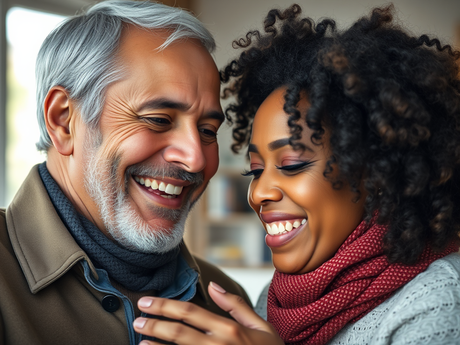
We spend our lives collecting layers. Armor forged from breakups and betrayals. Masks crafted to fit in at boardrooms and birthday parties. Language polished to sound “professional,” “chill,” or “totally fine” when we’re anything but. But beneath it all, there’s a whisper—a memory of a time when connection felt as simple as sharing a popsicle on a hot day, or crying over a scraped knee while someone held your hand and didn’t let go.
What if the key to healing our adult loneliness isn’t in adding another self-help strategy to the pile, but in excavating something far more primal? What if the answer lives in the dusty attic of your childhood self, where you once knew, instinctively, how to ask for what you needed—and how to offer comfort without conditions?
The Quiet Revolution of “Showing Up”
Imagine a world where:
- A friend’s stress isn’t met with unsolicited advice, but with a quiet “I’m here—keep going”
- Arguments with your partner don’t spiral into blame, but become doorways to say “This hurts because I care”
- Your grief isn’t buried under “I’m fine,” but met with a hand on your shoulder and “Tell me about them”
This isn’t utopia. It’s what happens when we stop performing connection and start practicing it—like we did when we were small, before we learned to fear the messiness of being human.
The Alchemy of Reclaimed Vulnerability
Sherry & Lee Patterson, founders of Root Camp, describe this shift as “relationship reinvented”—not by grand gestures, but by micro-moments of courage:
- The coworker who admits “I’m overwhelmed” instead of hiding behind deadlines
- The parent who says “I don’t know either—let’s figure this out together”
- The you who stops numbing loneliness with Netflix and texts “Can we talk? I’m not okay”
These acts feel radical because they defy our adult conditioning. Yet they’re rooted in biology: a child’s brain releases oxytocin not when someone fixes their pain, but when someone witnesses it. We’ve just forgotten how to speak that language.
What Unfolds When We Stop Hiding
Participants of Root Camp often report a quiet unraveling—not of their relationships, but of the stories that kept them isolated:
- Loneliness loses its grip: When you consistently show your unfiltered self, you magnetize others to do the same. Walls turn into bridges.
- Conflict becomes sacred ground: Disagreements no longer mean “you vs. me,” but “us vs. the problem”—a lesson toddlers grasp when they fight over toys, then hug it out.
- Joy grows contagious: Authenticity isn’t just for hard times. Playfulness, silliness, and unabashed enthusiasm become portals back to life before cynicism.
One attendee shared: “I cried when I realized how long I’d been editing myself. Then my partner cried. Then we laughed. For the first time in years, we felt… real.”
The Invitation: Your “Root Camp” Awaits
This isn’t about workshops or workbooks. Your Root Camp lives in everyday moments:
- Today: Let one unfiltered truth slip. “I’m scared.” “I miss you.” “I need help.”
- This week: When someone shares pain, resist fixing. Say “That sounds heavy. Can I carry some?”
- This lifetime: Practice believing, like a child believes, that your feelings aren’t flaws—they’re fingerprints. Proof you’re alive.
Sherry & Lee put it plainly: “We don’t teach connection. We help people remember what their bodies never forgot.”
The Ripple Effect
When you reclaim the raw, unapologetic way you connected as a child:
- Strangers become allies (“I’ve felt that too”)
- Colleagues become collaborators (“Your honesty helped me speak up”)
- Love becomes a verb you practice daily, not a prize you earn
The world doesn’t need more perfected personas. It needs more scraped knees. More “I don’t know.” More hands held in the dark.
Your First Step (It’s Smaller Than You Think):
The next time someone asks “How are you?”—pause. Tell one sliver of truth. Watch how the air shifts.
Then, when you’re ready: Go deeper. Explore what happens when a community does this together.
“The greatest rebellion is to stop abandoning yourself. Everything good grows from there.”
— Sherry & Lee Patterson
#ReturnToRoots #RelationshipReinvented #UneditedAndAlive#humanconnectionneedsustoconnect
P.S. This isn’t about being “healed.” It’s about being human. The rest follows.