


In this guide, we’ll cover everything you need to know about termite control in Baton Rouge, including how to identify an infestation, prevention strategies, and the best treatment options to keep your home termite-free.
Understanding Termites in Baton Rouge
Common Termite Species in Louisiana
Baton Rouge is home to several types of termites, but the most common and destructive species include:- Formosan Termites – Known as “super termites,” Formosan termites cause severe structural damage and reproduce rapidly.
- Eastern Subterranean Termites – These termites are responsible for most termite infestations in the U.S. and are particularly active in Louisiana.
- Drywood Termites – Unlike subterranean termites, drywood termites do not require soil contact and infest wooden furniture and structures.
How Termites Damage Homes
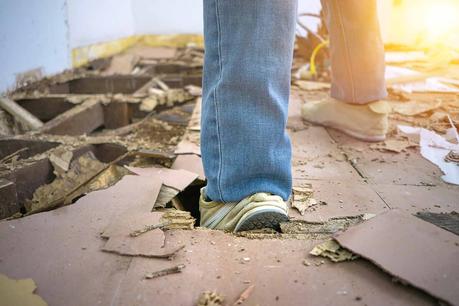
Termites feed on cellulose, the organic material found in wood. Over time, they can compromise the structural integrity of your home. Some common signs of termite damage include:- Hollow-sounding wood when tapped
- Mud tubes on walls and foundations
- Discarded wings near windows and doors
- Buckling wood or sagging floors
- Small piles of termite droppings (frass)
How to Identify a Termite Infestation
Early Warning Signs
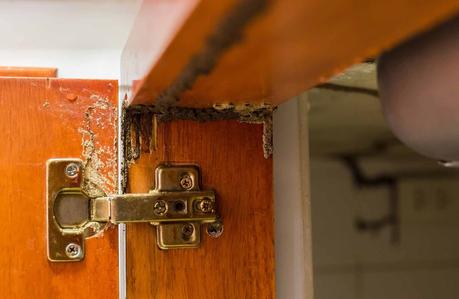
Catching a termite infestation early can save you thousands of dollars in repairs. Look for these signs around your home:- Swarmers (Flying Termites) – Winged termites emerging from walls, windows, or light fixtures often indicate an infestation.
- Mud Tubes – These pencil-sized tunnels along your home’s foundation or walls protect termites as they travel.
- Blistering or Warped Wood – Termites weaken wood structures, leading to visual damage.
- Clicking Noises Inside Walls – Soldier termites bang their heads against the wood to signal danger to the colony.
Differences Between Termites and Ants
Termites are often mistaken for ants, but there are key differences:- Termites have straight antennae, while ants have bent antennae.
- Termites have a thick waist, while ants have a pinched waist.
- Termite wings are equal in size, while ant wings are different sizes.
Preventative Measures to Protect Your Home
Reduce Moisture Around Your Home
Termites thrive in damp environments. Reduce moisture buildup by:- Fixing leaks in plumbing, roofs, and gutters
- Ensuring proper drainage away from your home’s foundation
- Using dehumidifiers in basements and crawl spaces
Eliminate Wood-to-Ground Contact
Since termites travel through the soil, direct wood-to-ground contact makes it easier for them to infest your home. Prevent this by:- Keeping firewood, mulch, and wood debris away from your home
- Using concrete or metal barriers for wooden structures
- Raising wooden fences and decks at least six inches off the ground
Regular Home Inspections
Scheduling routine termite inspections is one of the best ways to prevent infestations. A professional pest control expert can detect early signs and apply preventive treatments to keep termites at bay.Treatment Options for Termite Control
DIY Methods for Small Infestations
If you catch termites early, you can try these DIY treatments:- Bait Stations – Placed around your home, these stations attract termites and poison the colony.
- Orange Oil or Boric Acid – These natural remedies can kill termites on contact but may not be effective for larger infestations.
Professional Termite Treatments
For more severe infestations, professional pest control is recommended. Common treatments include:- Liquid Termiticides – These chemical barriers kill termites on contact and prevent new ones from entering.
- Baiting Systems – Slow-acting but effective, bait stations eliminate entire colonies over time.
- Fumigation – Used for drywood termite infestations, fumigation is a last resort but highly effective.
The Importance of Ongoing Termite Protection
One-time treatments may not be enough to keep termites away permanently. Many pest control companies offer maintenance plans that provide continuous monitoring and prevention to ensure termites don’t return.Choosing the Best Termite Control Company in Baton Rouge
What to Look for in a Pest Control Service
When selecting a termite control company, consider:- Licensing and Certification – Ensure the company is certified to handle termite treatments.
- Experience with Louisiana Termites – Local knowledge is crucial for effective control.
- Customer Reviews and Testimonials – Look for positive feedback from past clients.
Questions to Ask a Termite Control Provider
Before hiring a pest control company, ask:- What treatment methods do you use?
- Do you offer a warranty or guarantee?
- How often do you recommend follow-up treatments?
Contact Bug Ninja Pest Control
Termites pose a significant threat to Baton Rouge homes, but early detection and prevention can save you thousands in repairs. Regular inspections, moisture control, and professional treatments are the best ways to keep termites at bay.
If you suspect a termite infestation, don’t wait—contact Bug Ninja Pest Control, your best professional termite control service choice in Baton Rouge to protect your home before the damage becomes irreversible.






