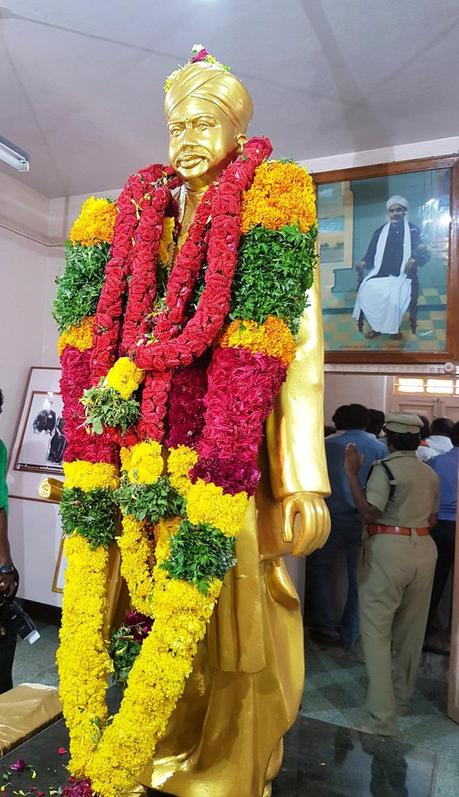
The poignant history of a man who was so passionate in founding a new enterprise – but passed away broken – this day, 83 years ago. He was a great patriot and fought the British tooth and nail ~ while some freedom fighters were arrested and spent time in Jail writing books and letters – the hardcore unfortunate were subjected to harsh punishments, were cruelly treated, lost their health, mental balance eventually leading to untimely deaths.This man’s imprisonment was a sequel to thespeech at Thai Poosa Mantapam in the bed of river Thamirabarani at Tirunelveli [on the night of 9th March 1907]; was convicted under sections 124A & 153A of Indian Penal Code by the Bench consisting of CA White & Miller. In that famous speech, he had thundered “"As soon as the English people set foot in India, poverty also made its appearance in the country. So long as the foreign Government exists we shall not prosper. So long as we continue to be the servants and slaves of foreigners we shall have to endure hardships.”
 Not
many of us now know that Tuticorin was known as Thirumandiranagar, meaning a
city of holy chants.Those days, it
reverberated with the mantra of ‘Vande Mataram’ .. ..Indian history has not properly recorded
those pains and sufferings of innumerable patriots who fought the British.Vascoda gama’s ship San Gabrial touched the
shores in 1498 – showing the way for Western mariners and that pain continued
till 1947 when Indian National flag was unfurled at the ramparts of Red Fort ~
a period of 450 years that gruelled India and its citizens.
Sea-faring
is not new – thousands of years ago, Sangam literature speaks of adventurous
voyages, wars and trade from South Indian ports, some of which are extinct
now.Perhaps, commercial shipping was
new – towards the end of 19th century, some sprang and to us the
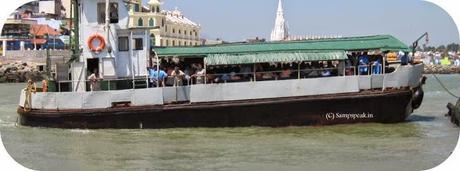
most important was“Swadeshi Steam Ship Company”, that challenged
the monopoly of enjoyed by the British India Steam Navigation Company, formed
in 1856, especially in passenger transportation between Tuticorin and Colombo.The British India Steam Navigation
Companyhad earlier beenformed in 1856 as the ‘Calcutta and Burmah
Steam Navigation Company’. The company had been formed out of Mackinnon,
Mackenzie & Co, a trading partnership of the Scots William Mackinnon and
Robert Mackenzie, to carry mail between Calcutta and Rangoon. Years later this
ws entirely absorbed into P&O. As
one of the largest shipowners of all time, the company owned more than 500
ships and managed 150 more for other owners. At its height in 1922, BI had more
than 160 ships in the fleet, many built on Clydeside, Scotland.
The man who dared to create this enterprise said, “This Company is not merely commercial
in its motive. These ships will help the British leave the country with their
bags and baggages.” Subrahmanya Siva another stormy petrel of the South and a
right-hand man of Chidambaram who was sitting next to him interrupted and said:
“They cannot take the bags and baggages as the contents in them belong to
India” !
Not
many of us now know that Tuticorin was known as Thirumandiranagar, meaning a
city of holy chants.Those days, it
reverberated with the mantra of ‘Vande Mataram’ .. ..Indian history has not properly recorded
those pains and sufferings of innumerable patriots who fought the British.Vascoda gama’s ship San Gabrial touched the
shores in 1498 – showing the way for Western mariners and that pain continued
till 1947 when Indian National flag was unfurled at the ramparts of Red Fort ~
a period of 450 years that gruelled India and its citizens.
Sea-faring
is not new – thousands of years ago, Sangam literature speaks of adventurous
voyages, wars and trade from South Indian ports, some of which are extinct
now.Perhaps, commercial shipping was
new – towards the end of 19th century, some sprang and to us the
most important was“Swadeshi Steam Ship Company”, that challenged
the monopoly of enjoyed by the British India Steam Navigation Company, formed
in 1856, especially in passenger transportation between Tuticorin and Colombo.The British India Steam Navigation
Companyhad earlier beenformed in 1856 as the ‘Calcutta and Burmah
Steam Navigation Company’. The company had been formed out of Mackinnon,
Mackenzie & Co, a trading partnership of the Scots William Mackinnon and
Robert Mackenzie, to carry mail between Calcutta and Rangoon. Years later this
ws entirely absorbed into P&O. As
one of the largest shipowners of all time, the company owned more than 500
ships and managed 150 more for other owners. At its height in 1922, BI had more
than 160 ships in the fleet, many built on Clydeside, Scotland.
The man who dared to create this enterprise said, “This Company is not merely commercial
in its motive. These ships will help the British leave the country with their
bags and baggages.” Subrahmanya Siva another stormy petrel of the South and a
right-hand man of Chidambaram who was sitting next to him interrupted and said:
“They cannot take the bags and baggages as the contents in them belong to
India” !
 The
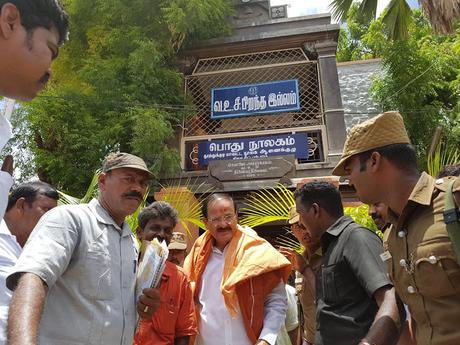
Great man is - Vandanam Olaganathan Chidambaram Pillai ~
more famous as VOC or Kappolottiya thamizhan,
born on 5thSept 1872. His father
was an eminent lawyer Ulaganathan Pillai in Ottapidaram, Tuticorin Dist. Like
his father, he also became an advocate and often pleaded for the poor. His
exemplary fighting qualities made him establish the “Swadeshi Steam Navigation
Company” during Nov 1906 by purchasing two steamships ‘S.S.Gaelia’ and
‘S.S.Lawoe’. On 16 October 1906 a new Swadeshi Steam Navigation Company was
registered under the Indian Companies Act of 1882. The details found regarding
the Company were: The Capital was to be ten lakh rupees raised by the issue of
40,000 shares at Rs. 25 each. Individuals belonging to Asian Continent were
eligible to become shareholders—Pandi Thurai Thevar the Zamindar of
Palavanatham and the President of Madurai Tamil Sangam was its President and
Chidambaram Pillai became an Assistant Secretary of the new company. The
company had 15 Directors.The wily British reportedly slashed the fare
per trip to Re.1 (16 annas) per head.Later theBritish company went
further by offering a free trip to the passengers plus a free umbrella, which
had ‘S.S.Gaelia’ and ‘S.S.Lawoe’ running nearly empty.The restrictive trade practices coupled by
the political actions taken againstthe
pioneer and other freedom fighters pushed the company towards bankruptcy is the
sad history.
The
Great man is - Vandanam Olaganathan Chidambaram Pillai ~
more famous as VOC or Kappolottiya thamizhan,
born on 5thSept 1872. His father
was an eminent lawyer Ulaganathan Pillai in Ottapidaram, Tuticorin Dist. Like
his father, he also became an advocate and often pleaded for the poor. His
exemplary fighting qualities made him establish the “Swadeshi Steam Navigation
Company” during Nov 1906 by purchasing two steamships ‘S.S.Gaelia’ and
‘S.S.Lawoe’. On 16 October 1906 a new Swadeshi Steam Navigation Company was
registered under the Indian Companies Act of 1882. The details found regarding
the Company were: The Capital was to be ten lakh rupees raised by the issue of
40,000 shares at Rs. 25 each. Individuals belonging to Asian Continent were
eligible to become shareholders—Pandi Thurai Thevar the Zamindar of
Palavanatham and the President of Madurai Tamil Sangam was its President and
Chidambaram Pillai became an Assistant Secretary of the new company. The
company had 15 Directors.The wily British reportedly slashed the fare
per trip to Re.1 (16 annas) per head.Later theBritish company went
further by offering a free trip to the passengers plus a free umbrella, which
had ‘S.S.Gaelia’ and ‘S.S.Lawoe’ running nearly empty.The restrictive trade practices coupled by
the political actions taken againstthe
pioneer and other freedom fighters pushed the company towards bankruptcy is the
sad history.
Sea is rough and the life of VOC was tormented at land too.. ..In Tuticorin the English were running a cotton mill by name “The Tuticorin Coral Cotton Mills”. The Management was fleecing the labourers, and was enjoying enormous profits.Those who advocate human rights and call British kind, need to know that the Factory Act of 1911 for cotton mill workers prescribed 12 hour work schedule through the week.In the Coral Mills, even small mistakes by the labourer was magnified by giving cane punishment. Racial arrogance was evident in their behavior and attitude towards the labourers. Chidambaram Pillai and Siva arranged for meetings of the workers of the Mill and addressed them to bring an awareness. In that task, Padmanabha Ayyangar another social worker and an admirer of Chidambaram also took part. At all the meetings held at Tuticorin during the months of February and March of 1908, all the three were present invariably.This irked the Britishers, particularly the Collector of Tirunelveli Mr. Winch and the joint Magistrate of Tuticorin, Mr. Ashe. After that speech in Tirunelveli in1908, VOC was arrested on charges of sedition. Mahakavi Bharathiyar and Subramanya Siva appeared in the Court in the case and VOC was sentenced to double life imprisonment. He was treated badly as a convict and subjected to inhuman torture.Chidambaram Pillai was sentenced to 40 years of exile and transportation for life on two counts. Twenty years for seditious speech and 20 years for abetting Siva for his fiery lectures—the sentences to run one after another. Siva was transported for 10 years for seditious speech.
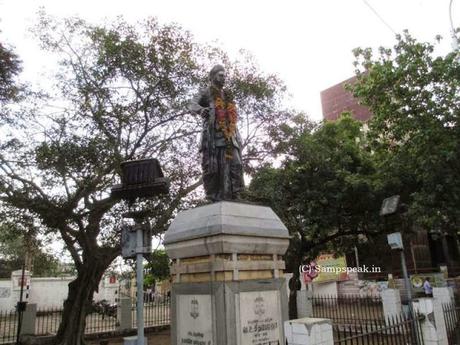
He was sent to the Central Jail at Coimbatore on 9 July 1908. Without any concern for his social status, professional equipment or hereditary weightage, Chidambaram was interned along with diehard and cut-throat criminals. But little did he deflect from his steadfast principles, forebearance and fortitude which earned for him the regard and respect from fellow-prisoners tending to become affection and love. He was asked to spin jute-yarn by hand-rotating machine by which act his palms got blisters with burning sensation and occasionally blood oozed out of the palms. He was. made to drag the country-oil-expeller (chekku) round and round in the open air to crush the seeds for oil instead of bullocks or any other draft animal. As if the afflictions—external—are not sufficient, Chidambaram had the share of mental agonies too. The news that the ships belonging to the Swadeshi Steam Navigation Company were sold to the very same British Company against which he fought valiantly and relentlessly, pained him terribly. When Bharati heard about it, he expressed his disapproval and anger when he met Chidambaram in person later at Pondicherry thus: “Honour is great and important. For a few chips the ships were sold to the very enemies by the cut-throats. They could have smashed the ships into smithereens and thrown them into the sea. Will India sink if a few chips were lost?” Not stopping with the sale of the ships to the enemies, the members of the management of the Swadeshi Company demanded compensation from Chidambaram. They contended that due to the political interference of Chidambaram alone the Company had to lose business and hence had to be closed.
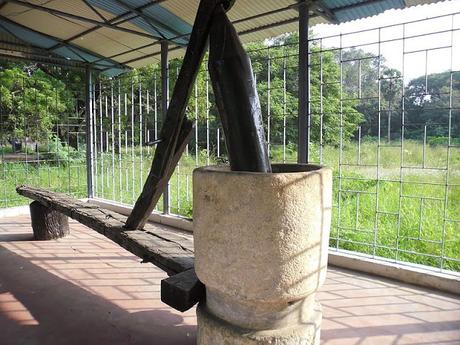 The man who underwent all pains for the Nation VOC was later released in Dec 1912 convicted in judgement known as ‘King Emperor versus
Subramania Siva and V.O. Chidambaram Pillai’is a piece ofhistory. Here are
some snippets – mostly picked from a heart-rending book titled ‘VO Chidambaram
Pillai’ written by RN Sampath & Pe Su Mani, with foreword of Ma Po Si.
·
Kappalottiya
Thamizhan, a 1961 film – the story of VOC based on bio written by Ma. Po.
Si.(M.P.Sivagnanam); directed by B. R. Panthulu, featured Sivaji Ganesan and
Gemini Ganesan in the lead roles. The film reportedly failed at box office.
·
VOC’s
birth place Ottapidaram village is proximate to Ettayapuram of Barathiyar and
Panchalam kurichi of Veerapandia kattabomman.
·
Ulaganatham
Pillai, father of Kappal Ottiya
thamizhan Chidambaram, was related to Lieutenant Thanapathi Pillai who served
Katta Bomman as minister.
·
In1906, VOC met Swami Ramakrishnananda—the
Chief of Ramakrishna Mission at Madras.This meeting changed the life of pious Saivaite
·
Chidambaram
was a great orator, great writer in Tamil, having published some books.His fiery article ‘Swadesabhimanam’ appeared
in Vivekabhanu Feb 1906 issue ofa
monthly journal from Madurai.
·
This
literary magazine ws started in 1902 and was at one point of time ran by
Pulavar MR Kandaswami Kavirayar, zealous Nationalist.VOC was contributing a donation of
Rs.12/-every month !
·
In May
1907, Bipin Chandra Pal visited Madras and gave six lectures on the Triplicane
Beach every day evening from 3 to 8. These lectures brought out a perceptible
change in the attitude of the people. Bharathiyar wrote in his India on 11 May
1907, that the visit and speeches of Pal had cast a miraculous effect on the
otherwise slumbering people of Madras. After the visit in every street and in
every place the talk was only about Nationalism and the first utterance was
Vande Mataram.
·
On the
day of release of Bipin Chandra Pal on 9.3.1908, VOC & Subramanya Siva
organised celebrations at Tuticorin.
·
The
Madras Jana Sangh was founded in Triplicane at a meeting held in Gangai Kondan Mantap on 11 Jan 1908. [our Ganganna mantap at
Triplicane market]
·
Sadly,
(though British had made elaborate arrangements) at the time of his release on
24.12.1912, Swami Vallinayagam, V.O.C.’s wife, sons, brother-in-law and friend
Ganapathi only were present at the gate.
Siva who himself had been released a
month earlier wasthere as a sole representative of public
persons who toiled with Chidambaram for the freedom, fully afflicted with
leprosy. What a travesty!
·
Chidambaram
Pillai upon his release from Cannanore jail,neither went to his native village Ottappidaram nor to his erstwhile
field of political activity, Tuticofin, but went to Madras and set up his family.
·
With
his Sannad to practice being confiscated he could not restart his legal
profession. Wherewithal to maintain a family became a big question mark before
him. He tried at opening a grocery and general store but failed in that. He
ventured into kerosene mandy but lost money.Mandayam Srinivasachari of
Thiruvallikkeni, who had employed Mahakavi Barathiyar alone was the financial prop for all indigent
patriots and he helped Chidambaram considerably.
·
While Subrahmanya
Bharati and Subrahmanya Siva translated the works of Ramakrishna and
Vivekananda, Chidambaram took the works of James Allen for his handiwork.
·
He also
joined hands with Prof. Vaiyapuri Pillai and published Tholkappiyam with the
notes of Ilampooranar in 1922. He also wrote commentary for the Arathupal part
of Thirukkural.
·
One of
his sons, Arumugam Pillai contested in Ottapidaram Assembly elections in1967
but lost badly.
The man who underwent all pains for the Nation VOC was later released in Dec 1912 convicted in judgement known as ‘King Emperor versus
Subramania Siva and V.O. Chidambaram Pillai’is a piece ofhistory. Here are
some snippets – mostly picked from a heart-rending book titled ‘VO Chidambaram
Pillai’ written by RN Sampath & Pe Su Mani, with foreword of Ma Po Si.
·
Kappalottiya
Thamizhan, a 1961 film – the story of VOC based on bio written by Ma. Po.
Si.(M.P.Sivagnanam); directed by B. R. Panthulu, featured Sivaji Ganesan and
Gemini Ganesan in the lead roles. The film reportedly failed at box office.
·
VOC’s
birth place Ottapidaram village is proximate to Ettayapuram of Barathiyar and
Panchalam kurichi of Veerapandia kattabomman.
·
Ulaganatham
Pillai, father of Kappal Ottiya
thamizhan Chidambaram, was related to Lieutenant Thanapathi Pillai who served
Katta Bomman as minister.
·
In1906, VOC met Swami Ramakrishnananda—the
Chief of Ramakrishna Mission at Madras.This meeting changed the life of pious Saivaite
·
Chidambaram
was a great orator, great writer in Tamil, having published some books.His fiery article ‘Swadesabhimanam’ appeared
in Vivekabhanu Feb 1906 issue ofa
monthly journal from Madurai.
·
This
literary magazine ws started in 1902 and was at one point of time ran by
Pulavar MR Kandaswami Kavirayar, zealous Nationalist.VOC was contributing a donation of
Rs.12/-every month !
·
In May
1907, Bipin Chandra Pal visited Madras and gave six lectures on the Triplicane
Beach every day evening from 3 to 8. These lectures brought out a perceptible
change in the attitude of the people. Bharathiyar wrote in his India on 11 May
1907, that the visit and speeches of Pal had cast a miraculous effect on the
otherwise slumbering people of Madras. After the visit in every street and in
every place the talk was only about Nationalism and the first utterance was
Vande Mataram.
·
On the
day of release of Bipin Chandra Pal on 9.3.1908, VOC & Subramanya Siva
organised celebrations at Tuticorin.
·
The
Madras Jana Sangh was founded in Triplicane at a meeting held in Gangai Kondan Mantap on 11 Jan 1908. [our Ganganna mantap at
Triplicane market]
·
Sadly,
(though British had made elaborate arrangements) at the time of his release on
24.12.1912, Swami Vallinayagam, V.O.C.’s wife, sons, brother-in-law and friend
Ganapathi only were present at the gate.
Siva who himself had been released a
month earlier wasthere as a sole representative of public
persons who toiled with Chidambaram for the freedom, fully afflicted with
leprosy. What a travesty!
·
Chidambaram
Pillai upon his release from Cannanore jail,neither went to his native village Ottappidaram nor to his erstwhile
field of political activity, Tuticofin, but went to Madras and set up his family.
·
With
his Sannad to practice being confiscated he could not restart his legal
profession. Wherewithal to maintain a family became a big question mark before
him. He tried at opening a grocery and general store but failed in that. He
ventured into kerosene mandy but lost money.Mandayam Srinivasachari of
Thiruvallikkeni, who had employed Mahakavi Barathiyar alone was the financial prop for all indigent
patriots and he helped Chidambaram considerably.
·
While Subrahmanya
Bharati and Subrahmanya Siva translated the works of Ramakrishna and
Vivekananda, Chidambaram took the works of James Allen for his handiwork.
·
He also
joined hands with Prof. Vaiyapuri Pillai and published Tholkappiyam with the
notes of Ilampooranar in 1922. He also wrote commentary for the Arathupal part
of Thirukkural.
·
One of
his sons, Arumugam Pillai contested in Ottapidaram Assembly elections in1967
but lost badly.
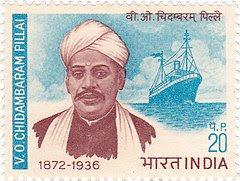 On 18 November 1936 at 11.30 in the night the great patriot and
the valiant fighter of freedom joined his political mentors in their heavenly
abode.
With profound sadness – S. Sampathkumar
18th Nov. 2019.
On 18 November 1936 at 11.30 in the night the great patriot and
the valiant fighter of freedom joined his political mentors in their heavenly
abode.
With profound sadness – S. Sampathkumar
18th Nov. 2019.