


wellhealthorganic.com:vitamin-e-health-benefits-and-nutritional-sources: Vitamin E plays a crucial role in maintaining healthy vision naturally. It acts as a potent antioxidant that protects the cells of the eyes from oxidative damage caused by harmful free radicals. This essential nutrient helps reduce the risk of age-related macular degeneration (AMD), cataracts, and other eye disorders. By neutralizing oxidative stress, Vitamin E helps preserve the integrity of the delicate tissues in the eyes, including the retina.
It also promotes proper blood circulation and enhances immune function, further supporting eye health. Including vitamin E-rich foods such as almonds, spinach, sunflower seeds, and avocados in the diet can contribute to optimal eye protection and long-term visual well-being.
Vitamin E and Vision
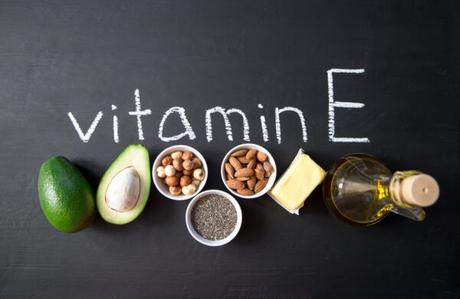 The Link between Vitamin E and Eye Health: Protecting Vision Naturally
Vitamin E is a potent antioxidant that exists in different forms. Alpha-tocopherol vitamin E is the form that best meets our needs. Vitamin E’s main role in the body appears to be neutralizing oxidation. For that reason, researchers think it plays an important role in protecting certain parts of the eye, which is particularly susceptible to oxidative damage. Cataracts, for example, are believed to be formed by oxidation in the lens of the eye caused mostly by UV rays in sunlight.
Eye-related benefits: The Age-Related Eye Disease Study (AREDS) found that vitamin E, along with other nutrients, helped some people who had moderate age-related macular degeneration. The nutrients reduced the risk of developing advanced age-related macular degeneration by 25% for those who already had evident early changes of macular degeneration. Evidence from other studies suggests that the alpha-tocopherol form of vitamin E, along with lutein and zeaxanthin, may decrease the risk of cataracts.
However, other studies have not found that vitamin E is important for vision, so more research is needed. It’s important to talk to your doctor before taking vitamin E supplements in order to discuss the right dose, possible side effects, as well as other treatments.
Recommended daily allowance: 22.5 international units/day.
Safe upper limit: 1,500 IU
Potential risks: Vitamin E can thin your blood, and may increase the risk of hemorrhagic stroke. If you’re taking a blood-thinning medication, talk to your doctor before taking a vitamin E supplement. One recent study showed increased mortality in people taking more than 2,000 international units of vitamin E. Other possible side effects cited in studies include fatigue, muscle weakness, and decreased thyroid gland function.
Foods with vitamin E:
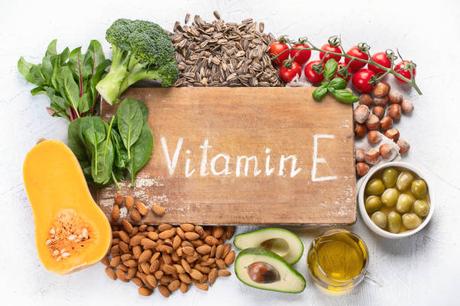
- Cereal with wheat germ 27 IU
- Almonds (1 oz) 11 IU
- Sunflower seeds (1 oz) 11 IU
- Hazelnuts (1 oz) 6.4 IU
- Peanut butter (1 tablespoon) 4 IU
- Peanuts (1 oz) 3.6 IU
The post The Link between Vitamin E and Eye Health: Protecting Vision Naturally first appeared on News Jingles.






