


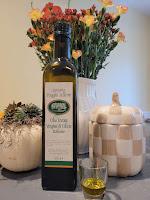
 Few ingredients in the world of food carry as much heritage, versatility, and symbolism as olive oil. For thousands of years, this golden liquid has nourished civilizations, inspired poets, and defined entire culinary traditions. From the rocky hills of Greece to the sun-drenched groves of Spain, from the ancient presses of Italy to the emerging producers of California and beyond, olive oil remains a cornerstone of culture, craft, and cuisine.
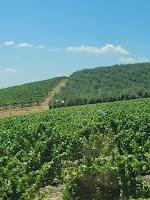 In this new series, we’ll explore olive oil from root to bottle — uncovering the stories, science, and people behind it. We’ll delve into how geography and climate shape its character, how different olive varieties yield distinctive aromas and flavors, and how modern producers balance innovation with ancient methods. You’ll learn what makes an extra virgin truly “extra,” how to taste olive oil like a professional, and how to pair it with food and wine.
Join us on this journey through groves, mills, and markets as we uncover the world of olive oil — one harvest, one taste, one or two stories at a time.
So let's jump in. What is Extra Virgin Olive Oil (EVOO)?
In contrast, virgin olive oil has a higher acidity level (between 0.8% and 2.0%) and may have minor defects detectable by taste, making it less flavorful and less nutritious than EVOO. Virgin olive oil is often produced by blending refined olive oil with a small amount of virgin or extra virgin oil to improve its taste and color, which reduces its health benefits compared to EVOO. Since virgin olive oil is typically lighter in color, milder in flavor, and less expensive than extra virgin olive oil it is more suitable for cooking at higher temperatures where its flavor is less critical.
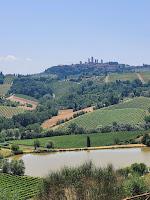
Fattoria Poggio Alloro is an agritourism destination providing spectacular views of San Gimignano and the surrounding rolling hills. The farm is located 40km southwest from Florence and only 5km from San Gimignano. The name Poggio Alloro means Bay Leaf Hill, and it refers to the bay laurel bushes that grow everywhere on their property. There's a multitude of agricultural commodities grown on the one hundred hectares from grapes; fruits; vegetables; and grains: barley, oats, corn, sunflowers, durum, wheat, farro; and olives.
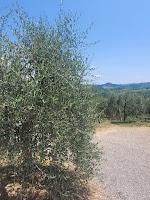
More specifically 1,500 olive trees that are used in the production of extra-virgin olive oil. The Leccino, Moraiolo, and Frantoio varieties are completely hand picked in November, and then cold pressed to guarantee superior quality. Their EVOO has a golden yellow color with light green tones and has a stone fruit, slightly spicy flavor with an intense finish.






