


The energy crisis is one of the most pressing issues of our time, affecting every aspect of modern life, from economic stability and environmental sustainability to international security. It refers to the diminishing supply of energy resources, primarily fossil fuels, coupled with the increasing demand for energy. Understanding the causes, implications, and potential solutions to the energy crisis is essential for developing strategies to ensure a sustainable energy future.
Historical Context
Evolution of Energy Consumption Patterns
Energy consumption has evolved significantly over centuries. Before the Industrial Revolution, energy needs were met by biomass (wood, animal waste) and human or animal labor. The Industrial Revolution marked a significant shift to coal as the primary energy source, fueling rapid industrialization and economic growth. The 20th century saw the introduction of oil and natural gas, which revolutionized transportation and electricity generation.

Key Historical Events Impacting Energy Supply and Demand
Several key events have shaped the energy landscape:
- 1973 Oil Crisis: Triggered by the OPEC oil embargo, leading to skyrocketing oil prices and highlighting the vulnerability of relying on a single energy source.
- 1980s Nuclear Expansion: Increased reliance on nuclear power following oil crises, providing a stable energy supply but raising safety and waste management concerns.
- 21st Century Renewables: Growing investment in renewable energy technologies as part of efforts to combat climate change and reduce dependence on fossil fuels.
Fossil Fuels and Their Limitations
Overview of Fossil Fuel Types
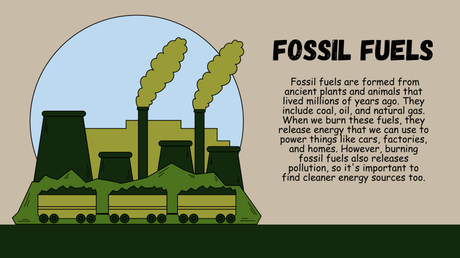
Fossil fuels have been the backbone of global energy systems for decades:
- Coal: Abundant and historically significant but highly polluting.
- Oil: Key to transportation; subject to geopolitical tensions and price volatility.
- Natural Gas: Cleaner than coal and oil, significant in electricity generation and heating.
Current State of Fossil Fuel Reserves
Fossil fuel reserves are finite and unevenly distributed:
Coal8700 GigatonsUSA, Russia, China
Oil2 QMiddle East, USA, Russia
Natural GasSignificant but unevenRussia, USA, Iran
Environmental Impact
The environmental impact of fossil fuels is profound:
- Carbon Emissions: Major contributor to global warming and climate change.
- Air Pollution: Health issues due to particulate matter and NOx/SOx emissions.
- Water Contamination: Risks from hydraulic fracturing (fracking) and oil spills.
Economic and Geopolitical Implications
Fossil fuels significantly influence global economics and politics:
- Price Volatility: Affects global economic stability and inflation rates.
- Energy Security: Dependence on politically unstable regions for oil and gas supplies.
- Trade Balances: Impact on national economies due to import/export dynamics.
Alternative Energy Sources
Renewable Energy Options
Renewable energy sources offer a sustainable alternative to fossil fuels:
- Solar Power: Harnessing sunlight through photovoltaic cells and solar thermal systems.
- Wind Power: Utilizing wind turbines, with significant developments in both onshore and offshore wind farms.
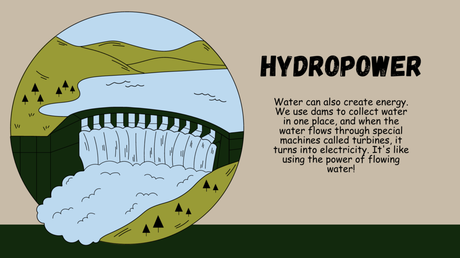
- Hydropower: Exploiting the energy of flowing water; includes large dams and small-scale hydro projects.
- Geothermal Energy: Extracting heat from the Earth’s interior for electricity and heating.





Technical and Economic Challenges
Despite their potential, renewable energy sources face several challenges:
- Intermittency: Solar and wind power variability, requiring reliable storage solutions.
- Storage Solutions: Need for advanced battery technologies to store energy.
- Initial Costs: High upfront investment compared to traditional fossil fuels.
Potential of Biofuels and Other Alternatives
- Biofuels: Derived from organic matter such as crops; includes ethanol and biodiesel.
- Hydrogen: Clean fuel with potential for transportation and industry, though challenges remain in production and storage.
- Ocean Energy: Tidal and wave power are emerging technologies with promising potential.
Case Studies of Successful Renewable Projects
Several countries have successfully implemented renewable energy projects:
- Germany’s Energiewende: A national initiative to transition to renewable energy, reducing nuclear and fossil fuel dependency.
- China’s Solar Boom: Leading global solar capacity, driven by significant investments in solar energy.
- Denmark’s Wind Power: A substantial portion of electricity generated from wind, with advanced offshore wind farms.
The Role of Nuclear Energy
Overview of Nuclear Fission and Fusion
Nuclear energy offers a high-density energy source through two processes:
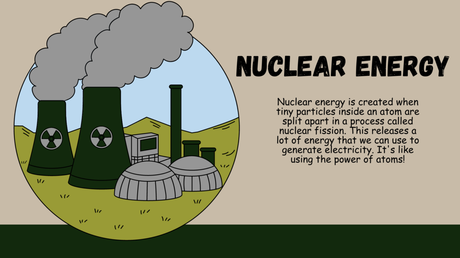
- Nuclear Fission: Splitting heavy atoms such as uranium to release energy.
- Nuclear Fusion: Fusing light atoms like hydrogen, potentially offering an even more abundant and cleaner energy source.
Advantages and Disadvantages of Nuclear Power
Nuclear power has both significant advantages and challenges:
- Advantages: Low carbon emissions, high energy density, reliable baseload power.
- Disadvantages: Safety concerns (e.g., accidents like Chernobyl and Fukushima), radioactive waste management, high initial costs.
Safety Concerns and Technological Advancements
Safety is a primary concern in nuclear energy:
- Accidents: Historical incidents have raised public concern and regulatory scrutiny.
- Advancements: Modern reactors (e.g., Generation IV) offer improved safety features and efficiency.
Waste Management and Environmental Considerations
- Radioactive Waste: Long-term storage solutions are necessary to manage spent nuclear fuel.
- Environmental Impact: While lower in emissions compared to fossil fuels, nuclear power requires careful management of radioactive materials.
Table 2: Comparison of Energy Sources
Fossil FuelsEstablished infrastructure, high energy densityEnvironmental impact, finite reserves
NuclearLow emissions, high energy densitySafety concerns, radioactive waste
SolarRenewable, low operational costsIntermittent, high initial investment
WindRenewable, scalableIntermittent, visual/auditory impact
HydroRenewable, reliableEnvironmental impact, location-specific
GeothermalRenewable, stableLimited locations, initial costs
Comparison with Other Energy Sources
Nuclear power remains a critical component of the energy mix:
- Cost: Higher initial investment but lower operational costs over time.
- Sustainability: Provides a significant portion of baseload power with minimal emissions.
Climate Change and the Energy Crisis
Impact of Energy Production on Climate Change
Energy production, particularly from fossil fuels, is the largest contributor to climate change:
- Greenhouse Gas Emissions: Major source of CO2 and other greenhouse gases.
- Global Warming: Rising temperatures and associated extreme weather events.
- Sea Level Rise: Melting ice caps and thermal expansion of seawater.
Policy Measures to Reduce Carbon Emissions
Governments worldwide are implementing various measures to reduce carbon emissions:
- Carbon Pricing: Taxes and cap-and-trade systems incentivize reductions in greenhouse gas emissions.
- Renewable Incentives: Subsidies, tax credits, and grants support the development and adoption of renewable energy.
- Efficiency Standards: Regulations for energy efficiency in buildings, vehicles, and industrial processes.
Role of International Agreements
Global cooperation is essential in addressing climate change:
- Paris Agreement: A landmark international accord aimed at limiting global temperature rise to below 2°C above pre-industrial levels.
- Kyoto Protocol: An earlier framework for reducing greenhouse gas emissions, succeeded by the Paris Agreement.
Economic Factors
Influence of Energy Prices on Global Economy
Energy prices significantly impact the global economy:
- Oil Prices: Fluctuations affect transportation and industrial costs, influencing inflation and economic stability.
- Electricity Costs: Rising or falling electricity prices can impact household expenses and business operations.
- Commodity Prices: Energy costs affect the production and pricing of various commodities, including raw materials and goods.
Investment Trends in Energy Sectors
Investment patterns are shifting towards more sustainable energy sources:
- Renewables: Increasing capital flows into solar, wind, and energy storage technologies.
- Fossil Fuels: Continued but declining investment due to environmental concerns and economic pressures.
- Nuclear: Stable investment with a focus on safety, efficiency, and advanced reactor designs.
Table 3: Global Energy Investments (2020)
Solar Energy141
Wind Energy112
Fossil Fuels250
Nuclear Energy40
Energy Storage19
Economic Benefits of Sustainable Energy Transition
Transitioning to sustainable energy offers numerous economic benefits:
- Job Creation: Growth in renewable energy industries, such as solar panel manufacturing and wind turbine installation.
- Energy Independence: Reduced reliance on imported fuels, enhancing national security and economic stability.
- Long-term Savings: Lower operational and maintenance costs for renewable energy systems compared to fossil fuels.
Geopolitical Issues
Strategic Importance of Energy Resources
Control over energy resources has significant geopolitical implications:
- Resource Control: Countries with abundant oil and gas reserves wield considerable geopolitical power.
- Pipeline Politics: Infrastructure projects, such as pipelines, can enhance or disrupt energy security.
- Energy Diplomacy: Nations use energy resources as a tool for foreign policy and international negotiations.
Regional Conflicts and Energy Security
Energy resources often play a central role in regional conflicts:
- Middle East: Political instability in oil-rich regions affects global oil supply and prices.
- Eastern Europe: Gas disputes between Russia and the European Union impact energy security.
- South China Sea: Territorial claims over potential oil and gas reserves lead to geopolitical tensions.
Role of Major Energy-Producing and Consuming Nations
The dynamics of energy production and consumption shape global geopolitics:
- OPEC: The Organization of the Petroleum Exporting Countries coordinates oil production and pricing.
- China: The world’s largest energy consumer and a leading investor in renewable energy technologies.
- USA: A major producer of oil and gas, with significant renewable energy capacity.
Policy Recommendations
Strategies for Energy Conservation and Efficiency
Effective strategies for energy conservation and efficiency include:
- Demand Reduction: Promoting energy-saving behaviors among consumers and businesses.
- Efficiency Technologies: Implementing smart grids, energy-efficient appliances, and industrial processes.
- Building Standards: Enforcing green building codes and retrofitting existing structures for better energy performance.
Promoting Research and Development in Clean Energy
Investing in research and development is crucial for advancing clean energy technologies:
- Government Funding: Providing grants and subsidies to support innovation in renewable energy and energy storage.
- Public-Private Partnerships: Encouraging collaboration between government, academia, and industry to drive technological advancements.
- International Collaboration: Sharing technology and expertise through international partnerships and agreements.
Policy Frameworks for Sustainable Energy Transitions
Creating a supportive policy environment is essential for transitioning to sustainable energy:
- Regulatory Support: Establishing clear and stable policies to attract investment in renewable energy projects.
- Market Mechanisms: Implementing emissions trading systems and renewable energy credits to incentivize clean energy adoption.
- Community Engagement: Involving local communities in energy projects to ensure social acceptance and support.
Examples of Successful Energy Policies
Several countries have implemented successful energy policies:
- Germany’s Feed-in Tariffs: Guaranteed prices for renewable energy production have driven significant investment in solar and wind power.
- California’s Clean Energy Goals: Ambitious targets for emissions reduction and renewable energy adoption.
- Scandinavia’s Carbon Taxes: Effective carbon pricing mechanisms have reduced emissions and encouraged clean energy use.
Future Prospects
Emerging Technologies in Energy Production and Storage
Several emerging technologies hold promise for the future of energy production and storage:
- Advanced Solar: Innovations such as perovskite cells and concentrated solar power.
- Wind Innovations**: Developments in floating turbines and vertical-axis wind turbines.
- Energy Storage: Advancements in solid-state batteries and pumped hydro storage.
Predictions for Future Energy Demand and Supply
Future energy demand and supply trends are influenced by various factors:
- Growing Demand: Increasing global population and industrialization will drive higher energy consumption.
- Shifting Supply: A transition from fossil fuels to renewable energy sources is expected to dominate future supply trends.
- Technological Integration: Smart grids and distributed generation systems will play a key role in managing energy supply and demand.
Scenarios for a Sustainable Energy Future
Various scenarios outline potential pathways to a sustainable energy future:
- 100% Renewables: Achieving a fully renewable energy system, while challenging, is feasible with technological advancements and policy support.
- Mixed Energy Systems: Combining renewables, nuclear, and fossil fuels with carbon capture and storage to ensure energy security and sustainability.
- Decentralized Energy: Localized production and consumption models, such as microgrids, enhance energy resilience and reduce transmission losses.
Conclusion
The energy crisis is a multifaceted challenge requiring coordinated global efforts. Sustainable energy solutions, technological advancements, and effective policies are essential to addressing this crisis. Immediate action is needed to ensure a secure, affordable, and environmentally friendly energy future.
Resources:
The Final Energy Crisis 1st Edition




THE %(site_name)s COMMUNITY

-
 umkhaloodie
3864140 pt -
Ch
3396455 pt -
 jesusmsanchezl
2453003 pt -
weddingblog2011
2205852 pt