


Published: September 30, 2025 | Last Updated on: September 30, 2025 | by Hema
Here’s everything you need to know about the serious condition called preeclampsia – causes, symptoms, diagnosis, treatment and more.
Jump To hide Your Complete Guide to Preeclampsia What is Preeclampsia? Complications of Preeclampsia Causes of Preeclampsia Symptoms of Preeclampsia Diagnosis of Preeclampsia Treatment for Preeclampsia Prevention of Preeclampsia References: Buy Healthy Nutritious Baby, Toddler food made by our own Doctor Mom !Pregnancy is a time when your body changes drastically, and it can be hard to keep track of the various changes that happen during each trimester. However, it is important to know them, because that’s the only way you can identify if something is not right.
One such common pregnancy issue is preeclampsia, which can be quite dangerous if ignored. However, if detected early, it can be managed well, resulting in a healthy pregnancy and safe childbirth. Here is a complete guide to preeclampsia to help you stay informed on the matter – after all, knowledge is power!
⭐ Download FREE Recipe Ebooks for Babies & Toddlers

Your Complete Guide to Preeclampsia

What is Preeclampsia?
Preeclampsia is a life-threatening high blood pressure condition that occurs during pregnancy or the postpartum period. It is one of the four blood pressure disorders affecting pregnant women, the others being gestational hypertension, chronic hypertension and chronic hypertension with superimposed preeclampsia.
Preeclampsia affects 2% to 8% of pregnant women across the globe. While preeclampsia can happen any time after the 20th week of pregnancy, most cases occur between the 24th and 27th weeks of pregnancy or right after giving birth. Postpartum Preeclampsia generally occurs anytime from within 48 hours of childbirth to 6 weeks or later after childbirth.
High blood pressure during pregnancy can cause several complications, some of them quite serious. Preeclampsia is responsible for 46,000 maternal deaths and 500,000 fetal deaths every year. It’s also one of the most common causes of premature births. Let’s look at some more complications in the next section of this guide to preeclampsia.
Complications of Preeclampsia

Preeclampsia is associated with high levels of protein in the urine and decreased blood platelets. This condition doesn’t always cause complications, but when it does, things can get serious. Here are some of the complications that affect the mother:
- Impaired kidney and liver function
- Blood clotting problems
- Pulmonary edema (fluid accumulation in the lungs)
- Signs of brain injury like stroke, seizures and vision problems
- Excessive postpartum vaginal bleeding
- Higher risk of cardiovascular issues
- Eclampsia – when preeclampsia symptoms are accompanied by a coma or seizures
- HELLP syndrome – a combination of Hemolysis, Elevated liver enzymes, Low platelet counts
These are some of the preeclampsia complications that can affect the fetus/newborn:
- Fetal growth restriction, where reduced blood flow to the placenta causes babies to be too small
- Placental abruption, where the placenta suddenly separates from the uterus and can cause stillbirth
- Premature birth, which in turn increases the risk of several developmental issues
- Future learning disabilities, epilepsy, cerebral palsy, and hearing and vision problems.
Causes of Preeclampsia

The natural question you’re asking at this point is this: “What causes preeclampsia?” While the exact cause of preeclampsia is unknown, it is assumed that genes or blood flow issues to the uterus could be reasons. However, we can list out some risk factors in our guide to preeclampsia:
- A personal history of preeclampsia or high blood pressure
- A family history of gestational hypertension or preeclampsia
- First pregnancy or first pregnancy with a new partner
- First pregnancy more than 10 years after a previous pregnancy
- IVF pregnancy, especially after a frozen embryo transfer
- Pregnancy with multiples
- History of preterm birth or a baby with growth defects
- Being under 20 or over 40 years old
- Chronic conditions like diabetes, hypertension, thyroid disease, kidney disease or autoimmune disorders
- Obesity
If two or more of these are true for you right now, your risk of having preeclampsia is higher.
Symptoms of Preeclampsia

We’re talking about symptoms in our guide to preeclampsia next, and it’s important to note here that it is possible to have preeclampsia without any symptoms. Due to this, preeclampsia is also called a ‘silent killer’, since many women don’t realize they have the disease till much later.
Here are some symptoms to watch out for, especially if you have two or more of the risk factors mentioned above:
- Blood pressure over 140/90
- Swelling around the eyes, in the face or the hands
- Sudden weight gain, over 1.5 kg in one week
- Excess protein in the urine
- Reduced urine output
- Vaginal bleeding
- Shoulder pain
- Abdominal pain under the ribs on the right side
- Breathing difficulties or shortness of breath
- Migraine-like, dull throbbing headaches that don’t go away even with medication
- Dizziness
- Vomiting or nausea during mid-pregnancy
- Vision changes like flashing lights, auras, floaters, or blurry vision
- Hyperreflexia, where the reflexes are abnormally intense
- Onset of anxiety, and a sense of impending doom
Diagnosis of Preeclampsia

A preeclampsia diagnosis has to be done by a medical professional, so if you notice any of the symptoms mentioned in this guide to preeclampsia, you should see a doctor right away. After taking your history and checking your blood pressure, the doctor is likely to prescribe any combination of the following tests:
- Blood tests called ‘preeclampsia panel’, or ‘HELLP workup’ to check the platelets, creatinine, uric acid and liver enzymes
- Urine dipstick tests to measure proteins in the urine
- If the test above is positive, another urine test to see if you’re passing over 300 mg protein per day
- Ultrasounds or nonstress tests (NST) to check fetal growth
- Some additional tests, like:
- sFLT-1 (soluble fms-like tyrosine kinase 1) and PLGF (placental growth factor
- PAPP-A (Pregnancy Associated Plasma Protein A)
- AFP (alpha-fetoprotein)
- RNA (ribonucleic acid)
After the baby is born, you may be prescribed more tests to see if any underlying conditions caused the preeclampsia, like kidney disease, blood clotting disorders or autoimmune conditions like lupus.
Treatment for Preeclampsia

Here’s the part of this guide to preeclampsia that’s actually confusing – preeclampsia has no cure, besides actually delivering the baby. How and when you give birth will depend upon your specific condition, and the doctor will make a decision based on the severity of your condition and how the baby is doing.
Even if you haven’t yet been diagnosed with preeclampsia but are at higher risk, you may be prescribed a low dose of aspirin to keep your blood pressure under control. If your calcium level is low, you may also be prescribed a calcium supplement.
If you have been diagnosed and your pregnancy is less than 37 weeks, you may be asked to watch and be careful since your baby is not ready to be delivered safely. Your doctor may recommend the following
- Bed rest, lying mostly on the left side
- Frequent ultrasounds and fetal heart rate monitoring
- Medicines to lower blood pressure
- Blood and urine tests to make sure the preeclampsia isn’t worsening
In some cases, the doctor may recommend hospitalization for observation and better care, particularly if your preeclampsia is more severe. At the hospital, you may get the following treatment:
- Frequent monitoring of the mother and baby
- Medicines to control blood pressure and prevent seizures
- Steroid injections for pregnancies under 34 weeks
- Magnesium injections to prevent seizures
Once you are past the 37-week mark, it is safe to deliver your baby. Your doctor may induce labor or do a cesarean section, depending on the circumstances. However, if the situation gets dangerous, the doctor may need to deliver the baby immediately, especially if they observe signs of severe distress, like these:
- Your baby is not getting enough blood and oxygen
- Your diastolic blood pressure is consistently above 110 mm Hg over a 24-hour period
- Abnormal liver function test results
- Severe abdominal pain
- Seizures or changes in brain function
- Fluid buildup in the lungs
- HELLP syndrome
- Low platelet count or bleeding
- Signs of kidney failure in the mother
After delivery, most symptoms of preeclampsia go away within 6 weeks, but sometimes they may last longer.
Prevention of Preeclampsia

Finally, our guide to preeclampsia talks about how you can prevent preeclampsia. While there isn’t really a prevention protocol, there are a few things you can do to keep yourself and your baby safe in case you do get diagnosed later:
- Give your doctor an accurate picture of your medical history, including all the medications you are on
- Attend all prenatal appointments regularly, and get your blood pressure and weight checked
- Never start any medication without consulting your doctor, even if it’s a nutritional supplement or herbal medicine
- Keep a close watch on anything that feels out of the ordinary, like swelling in the face or vision problems
- Follow a healthy diet, including whole foods and stay away from foods high in salt and sugar
- Stay active and find safe ways to move your body every day
- Manage stress through meditation or journaling
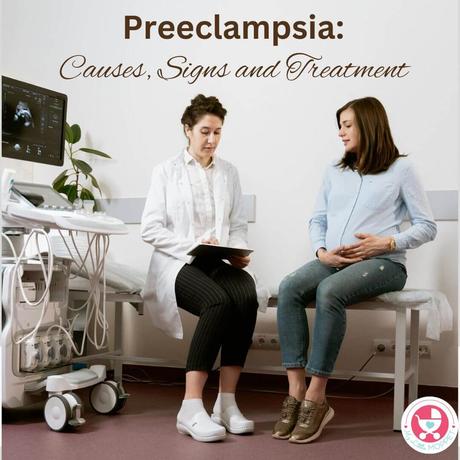
We hope this guide to preeclampsia has made you more informed about this pregnancy condition. Please remember that even if you are at a higher risk, it does not mean that you absolutely will get preeclampsia. It is just a sign to visit your doctor and to be more careful about your health.
It is important to continue taking care of yourself even after you’ve given birth and are past the ordeal of preeclampsia. If you’ve ever had preeclampsia, you’re at higher risk of heart disease, stroke, kidney disease and diabetes later in life. With proper care and regular checkups, you can have a healthy pregnancy and a healthy life afterward.
References:
- American College of Obstetricians & Gynecologists
- World Health Organization
- National Health Service (NHS UK)
- Preeclampsia Foundation
- US Department of Health and Human Services
Buy Healthy Nutritious Baby, Toddler food made by our own Doctor Mom !
Shop now!You may also like
 Epilepsy in Children: Causes, Symptoms and Treatment
 Asthma in Children - Symptoms and Treatment
 Your Complete Guide to Daycare
 Your Complete Guide to Baby Wearing
 Your Complete Guide to Baby Sleep Training
 Your Complete Guide on How To Care For A Baby…
Filed Under: Pregnancy







