सिवः शक्त्ययुक्तो यदी भवति शक्तः प्रभवितुम् ।
न सेतेवम् देवो न कालु कुशलः स्पन्दितुमपि ॥
अह अदस्त्वम् आराध्यम् हरि हरा वि॑रिन्सदि॑पि रभि ।
प्रणन्तुं स्तोतुं वा कथं कृत्वा पुण्यं प्रभवति अह ॥
Most of us are not versed in Sanskrit .. .. yet most likely you have read this or uttered this Sloka -Soundarya Lahari !!(reason could be bemusing !)
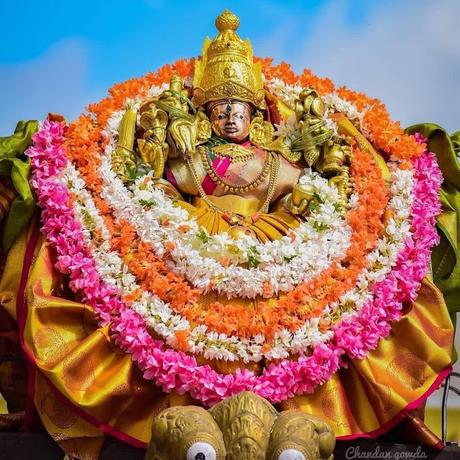
Saundarya Lahari literally means “Wave of Beauty” and is a famous Sanskrit hymn of about 100 verses, traditionally attributed to Ādi Śaṅkarācārya, that praises Goddess Tripurasundarī (a form of Pārvatī/Śakti) both as the supreme reality and as the embodiment of beauty, power, and grace. It is a devotional and philosophical poem in praise of the Divine Mother, central to Śākta and Śrīvidyā traditions.
Kollur is a famous temple town and village, located in the Byndoor Taluk of Udupi District in the southern state of Karnataka. Being a part of the Western Ghats, Kollur lies on the Kodachadri hill range. Known for its natural beauty, Kollur is also a prominent Hindu pilgrim center of Karnataka. It has a beautiful temple dedicated to Mookambika, who slew the demon Mookasura.
Adi ShankaraBhagawatpadha had a vision of Goddess Mookambika and had the deity’s form installed here. The idol of Chandramoulishwara was also installed by Sri Shankaracharya. Keladi rulers renovated this Temple. The Keladi rulers (also called the Nayakas of Keladi, Ikkeri Nayakas, or Nayakas of Bednore) were an Indian dynasty that ruled from 1499 to 1763 from Keladi in present-day Shivamogga district, Karnataka.
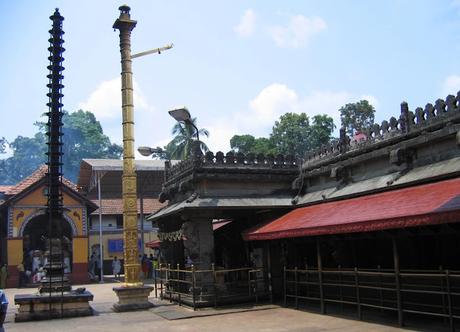
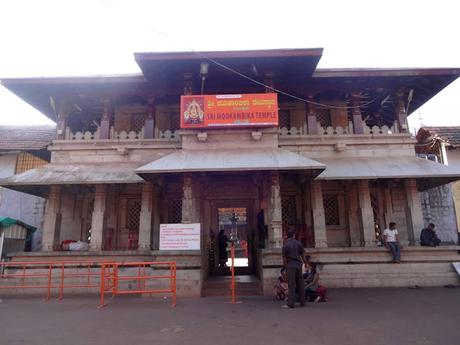
The Kollur “Shree Kshethram”, situated in the Udupi Disctrict of Karnataka State, is one among the seven abodes of Salvation, in the creation of Parashurama. Devi Mookambike is worshiped here as the Shakthi Devatha. The Monster Kaumhaasura, known as Mooka was put to death in this Kshethra. Mookambike is an Adi Shakthi as the Linga has integrated on it’s left side”. A gold Chain divides this Jyothirlinga into left and right portion. The left side of the Linga represents the Shakthi and right represents Shiva. Since Devi had appeared in his devine sight during his meditation, Adi Shankara had set up the statue of Devi on “Sri Chakra Yantra”. The worshiping ritual is being continued as per the Vijayagama system formulated by Adi Shankaracharya.
Once, an asura named Kaumasura did great penance to Lord Shiva to become invincible. He had previously received a boon to be killed by only a woman, but because of the death of Mahishasura, Kaumasura was alarmed. In order to prevent this, the goddess Saraswati thwarted his speech at the request of the devas, causing him to be incapable of requesting a boon from Shiva. This made Kaumasura (now named Mookasura, mooka meaning dumb) livid with rage. Goddess who rode on a lion and slew Mookasura, acquiring the name, Mookambika. The Sanctum Sanctorum is in a Quadrangular shape has a tower known as Vimana Gopura. covered by gold donated by local king centuries ago. In an ancient inscription (dated 1481 A D) found here, the source of the Shakthi has been described. Shree Mookambika Devi in the form of Linga is the Adi Shakthi, the Creator and the protector of all forms of life.
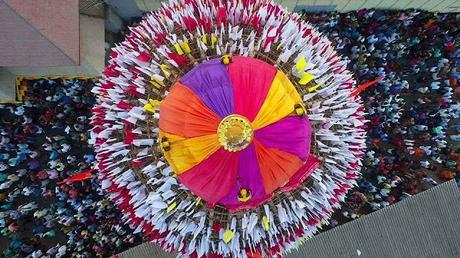
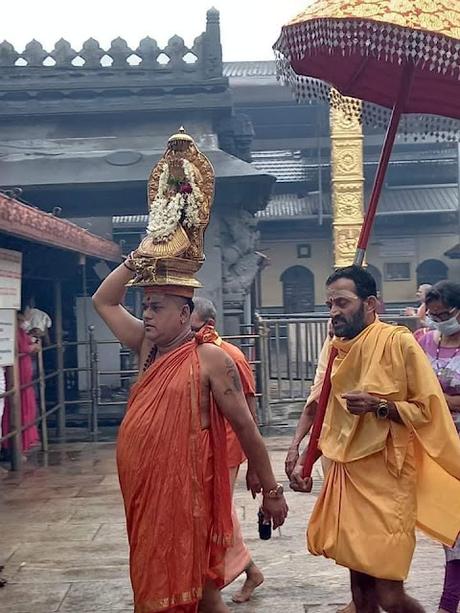
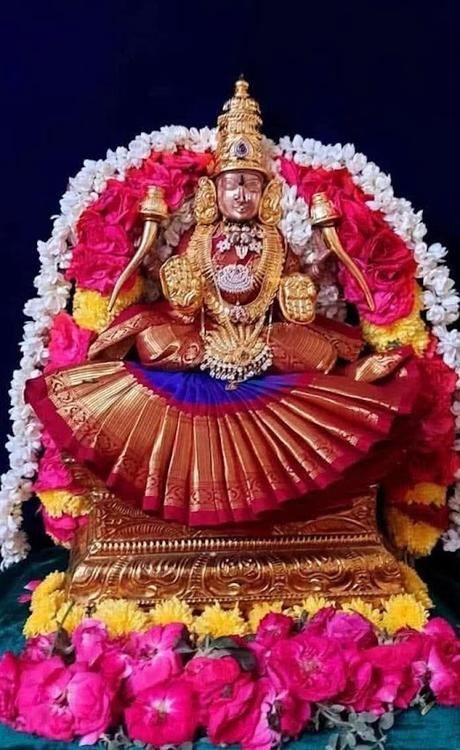
Many of the local Kings have given lots of donations to this Temple. Prominent among them are the Kings of the “Keladi Dynasty”. They have been offering a variety of worships to the Goddess.
In 1977 not following the Dravidian ideals,Chief Minister Mr MG Ramachandran had darshan at Kollur and donated a Golden sword which is in display to devotees.Years later in 2004, Ms J Jayalithaa in her third term as Chief Minister, worshipped Mookambiga at Kollur and donated money, ghee and more.Now comes the news that the current CM Mr Joseph Vijay also visited, had darshan and donated a 1.6 kg Silver sword to the Goddess.
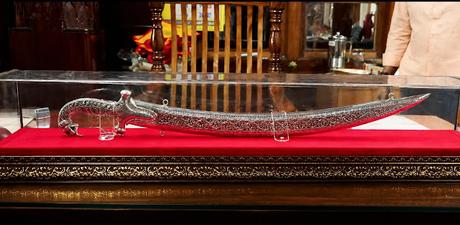
Before concluding many (I mean those not well conversant with Sanskrit/ slokas) knowing the Soundarya lahari is perhaps due to Isaignani Illayaraja being the opening lines of the captivating song Janani, Janani, Jagam Nee – sung by himself.
Shivaḥśaktyā yukto yadi bhavati śaktaḥ prabhavitum
Na cedevaṁ devo na khalu kuśalaḥ spanditum api
Ataḥ tvām ārādhyāṁ Hari-Hara-Viriñcyādibhir api
Praṇantuṁ stotuṁ vā katham akṛta-puṇyaḥ prabhavati
ஜனனி ஜனனி ஜகம் நீ அகம் நீ;ஜனனி ஜனனி ஜகம் நீ அகம் நீ
ஜகத் காரணி நீ பரிபூரணி நீ; ஜகத் காரணி நீ பரிபூரணி நீ
ஜனனி ஜனனி ஜனனி ஜனனி…
ஒரு மான் மழுவும் சிறு கூன் பிறையும்; சடைவார் குழலும் பிடை வாகனமும்
கொண்ட நாயகனின் குளிர் தேகத்திலே நின்ற நாயகியே இட பாகத்திலே
Isaignani Ilayaraja has a deep spiritual attachment to the Kollur Mookambika and has celebrated his birthday many a years. He has also offered diamond crowns worthRs. 4 crores and other ornaments to the goddess.
The song“ஜனனி ஜனனி ஜகம் நீ அகம் நீ” is from devotional Tamil movie -“Thaai Mookaambikai” directed by K. Shankar, starring K. R. Vijaya, Jaishankar and other leading actors that hit the screens in 1982.The music was composed by Ilaiyaraaja, with lyrics by Vaali. The song "Janani Janani" is set in Kalyani raga, "Isai Arasi" is set in Sallabam, and the title track is set in Vasantha Sri.
Prayers to Goddess Moogambikai
Devotionally yours -S Sampathkumar
13.6.2026