


Texas Water Quality: Safe to Sip or Take a Dip?
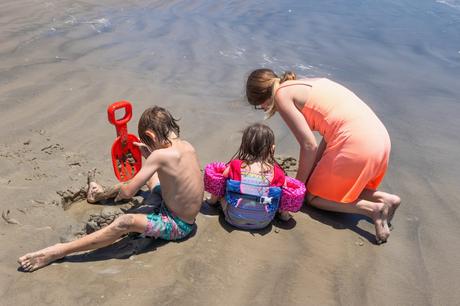
From renewable energy to job creation, Texas leads other states in many key areas. But when it comes to water quality, it lags behind by a country mile. The Lone Star State—home to around 31.3 million people—ranks among the worst in the country for safe tap water. In 2018, it had the most radiated drinking water among U.S. states. Fast-forward to 2023, and it racked up 15,340 violations against Safe Drinking Water Act (SDWA) requirements, second only to Pennsylvania. However, Texas’s water quality problem isn’t relegated to the tap; it also threatens recreational waters that help define the state’s culture, history, and economy.

Why is water quality so poor in Texas?
Look up “States with the worst water quality,” and you’ll notice Texas is almost always in the mix. This is not by chance but the result of a blend of factors jeopardizing the state’s water quality.
Texas’s water infrastructure is outdated and on the brink of collapse.
Like much of the United States, Texas faces a significant backlog of crucial upgrades to its aging water infrastructure. According to The Texas Tribune, Texas’s water systems include over 165,000 miles of pipes, some of which were developed in the post-World War II era and have not been upgraded since. Unfortunately, this has led to repeated damage or failures in the water system.
Beyond wasting billions of gallons of water annually, cracks, leaks, and breaks in distribution pipes across Texas also allow potentially toxic foreign materials like bacteria, dirt, and chemicals to enter the treated water supply, compromising its quality and safety. Corroded pipe materials also leach heavy metals like lead and copper into the water, causing aesthetic and health issues for residents. The state’s rapidly rising population, expanding urbanization, and weather extremes put even more undue stress on the state’s antiquated water systems.
The American Society of Civil Engineers (ASCE) has taken notice, giving Texas’s crumbling water infrastructure a dismal D+ for drinking water and a failing D- for wastewater in their 2025 Report Card
Related: America’s Aging Water Pipes: Is Your Tap Water at Risk?
It’s a haven for industries and their pollution.
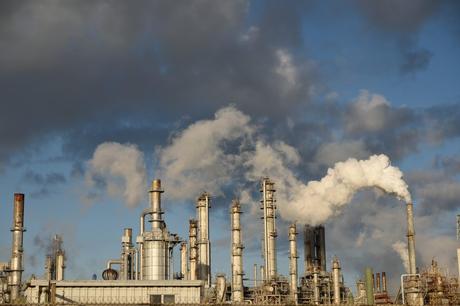
Texas is home to quite a few industrial facilities—oil refineries, chemical plants, agricultural operations, you name it. While these facilities help spur economic growth and innovation, many are notorious for discharging hazardous waste into the state’s waterways.
An Inside Climate News data analysis of Railroad Commission (RRC) records found that companies spilled nearly 150 million gallons of toxic, highly saline wastewater in Texas between 2013 and 2022, of which only 40% has been recovered. Most of the more than 10,000 individual spills occurred on land, with about 350 directly contaminating bodies of water, including streams, rivers, or lakes. In one instance, a single spill dumped 756,000 gallons of produced water (the resurfaced wastewater from oil and gas extraction) into the Delaware River, with chloride levels hundreds of times higher than safe drinking water standards.
Related: Manufacturing and Pharmaceutical Contaminants in Drinking Water
Industrial water pollution often goes unpunished.
Texas is often criticized for having a “lax regulatory environment.” On the one hand, it keeps businesses and industries flocking to the state, which is good for the economy. But on the other hand, polluters are usually let off the hook with little to no punishment. Luke Metzger, director of Environment Texas, notes that the Texas Commission on Environmental Quality (TCEQ) makes it easy for polluting facilities to get permits and difficult to enforce meaningful penalties for violations. The Texas Tribune reports that companies can sometimes avoid stricter federal oversight by classifying themselves as “minor” polluters. This lack of stringent oversight and accountability allows ongoing pollution problems to persist in the Lone Star State.
Lead Contamination: A Widespread Issue in Texas Schools, Daycares
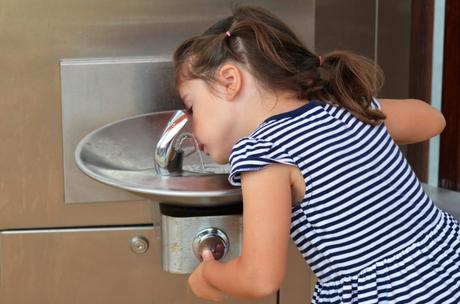
Schools and daycares are meant to be safe spaces for kids to learn, grow, and thrive. But sadly, that’s not always the reality in Texas, where many children are exposed to lead in schools’ drinking water. Of the 1,509 schools that tested for lead, 1,175 (nearly 78%) identified lead levels above 1 part per billion (ppb) at least one tap. Notably, the American Academy of Pediatrics (AAP) recommends no more than 1 ppb of lead in schools’ water fountains.
The Effects of Lead Exposure on Kids’ Health
Lead in school drinking water is alarming because there’s no known safe level of lead that kids can be exposed to. Even seemingly low levels in a child’s blood can seriously harm their health, potentially leading to a host of health problems, including:
- Damage to the brain and nervous system
- Hearing and speech problems
- Learning and behavior problems
- Slowed growth and development
The AAP notes that these effects can result in lower IQ, poor academic achievement, shortened attention span, and abnormal behaviors. Research also shows that “an excess risk for criminal behavior in adulthood exists when an individual is exposed to lead in utero or in the early years of childhood.”
Learn more: New Law Requires Lead Water Filters in Michigan Schools, Daycares
Texas’s Recreational Waters Under Threat of Contamination
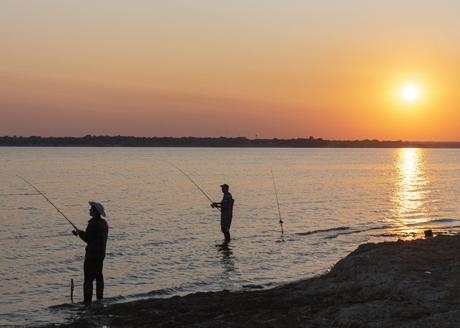
Texas boasts a vast network of over 191,000 miles of rivers and streams, perfect for fishing, kayaking, or simply taking a dip to stave off the heat. Unfortunately, portions of these waterways are anything but scenic or clean enough for recreational activities, nor are they safe for wildlife. According to Environment Texas, “9,711 miles of Texas rivers (28% of those assessed) aren’t safe for basic uses like swimming or fishing. That’s also the case for 590,241 acres of lakes (38%) and 1,248 square miles of our bays and estuaries (48%).” Furthermore, “Half of beaches had unsafe levels of fecal bacteria at least a quarter of the time in 2020.”
Sources of Surface Water Contamination in Texas
Not one, but many sources contribute to Texas’s water pollution problem—runoff from factory farms and cities, direct discharges from industries, and may more. Bacteria, including E. coli (Escherichia coli), are the most prevalent, accounting for 44% of all contamination problems in the state’s waterways. Primarily found in human and animal feces, these organisms can infiltrate watersheds through various pathways like stormwater runoff, failing septic systems, and broken sewer lines.
Other emerging threats to the state’s precious waterways include PFAS (aka, “forever chemicals”), which have contaminated drinking water around the state. These chemicals have been blamed for poisoning land and killing livestock, and raising Texans’ risk of cancer, liver damage, infertility, and other serious health problems. Plastic pellets called “nurdles,” used in manufacturing processes, have also been found to pollute beaches and threaten wildlife across the Lone Star.
Potential Health and Economic Fallout
Swimming or coming into contact with contaminated water can raise the risk of dangerous diseases, infections, and illnesses, including lung and intestinal infections, diarrhea, cramps, vomiting, loss of appetite, fever, headaches, and weakness. Because of this, many of the rivers and lakes in Texas are deemed unsafe for recreational purposes, spoiling the fun for locals and visitors and threatening to reduce crucial tourism dollars for many communities. The TCEQ’s proposal to weaken protections for those beloved water sources could have even more dire consequences for this and future generations.
What’s being done to improve water quality in Texas?
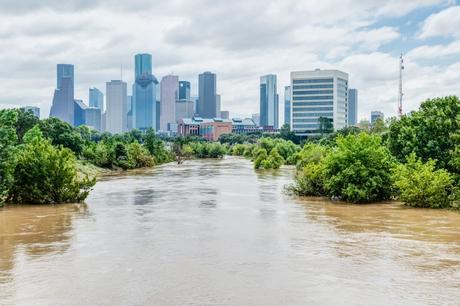
In light of the looming water crisis in Texas, state and federal officials are putting measures in place to stem the impact or curb it altogether. Some of these measures include:
Streamlining water sources in Central Texas.
Texas House Bill 2626 (HB 2626), introduced in the 2025 legislative session, proposes creating the Central Texas Water Alliance—a new regional water authority that would manage and oversee water resources in Central Texas. The Alliance would be able to:
- Issue bonds to fund water infrastructure projects
- Charge fees for water and wastewater services
- Use eminent domain to acquire land for water facilities
Supporters believe forming such a unit “could lead to improved infrastructure development and resource allocation for water services across Central Texas.”
Installing lead water filters in schools and childcare centers.
The TCEQ’s Lead Testing in School and Child Care Program provides free testing for public schools and state-certified childcare facilities in Texas. Those that detect lead in their water through this program are eligible to receive free certified filters (pitcher, in-line, and faucet) and lead-free fixtures. However, the Houston ISD estimates that it needs $150 million to completely remove lead from school water, but only $1.8 million of federal funding is budgeted for 2025, Environment America reports
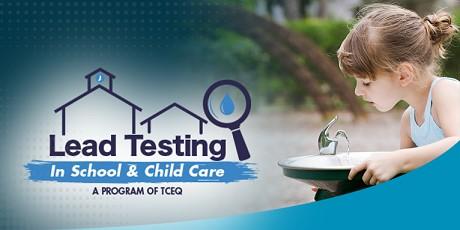
Texas Commission on Environmental Quality
April 2024
Learn more: Water Contamination in U.S. Schools and the Case for Filters
Allocating funds to improve water infrastructure.
Under the Bipartisan Infrastructure Law, $507,971,000 has been allocated to upgrade Texas’s water infrastructure, with a focus on reducing sewage overflows and cutting PFAS (per- and polyfluoroalkyl substances) pollution.
Related: The Infrastructure Bill and What It Could Mean for City Water
Increasing water security through desalination.
As Texas faces mounting pressure from droughts and a fast-growing population, lawmakers are looking to desalination to address the water shortage problem. Desalination involves eliminating salt from seawater or brackish groundwater to create more water for drinking, irrigation, and industrial uses. Additionally, the state is devising another strategy that includes treating produced water (wastewater from the ground during oil and gas production). According to the Texas Public Policy Foundation, every barrel of oil produced also generates five barrels of wastewater
Learn more: How Desalination Works (and 5 Reasons It’s Vital for Our Future)
How to Check Your State’s Water Quality
If you’re curious about your state’s water quality, you can explore the EPA’s Water Quality Portal. This platform compiles discrete water quality data from federal, state, and local agencies. Many states also offer their own resources to help residents understand the quality and safety of their drinking water. For more details or to request water testing, check your state or local government’s official website.
Improving Your Water Quality at Home
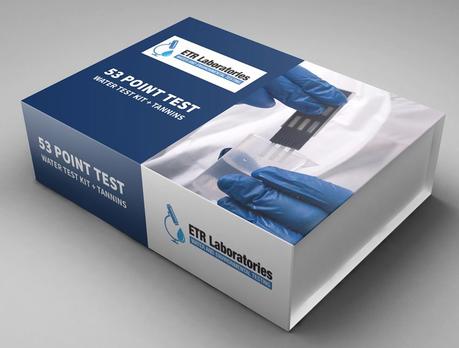
Whether or not you live in Texas, you can take steps to ensure your tap water is healthy, clean, and safe. First, you’ll need to find out if it is contaminated. You can do this by checking your most recent water quality report or purchasing a water test kit and submitting a water sample to a certified laboratory for testing. If it is indeed polluted, filtering it will help eliminate most (if not all) contaminants.
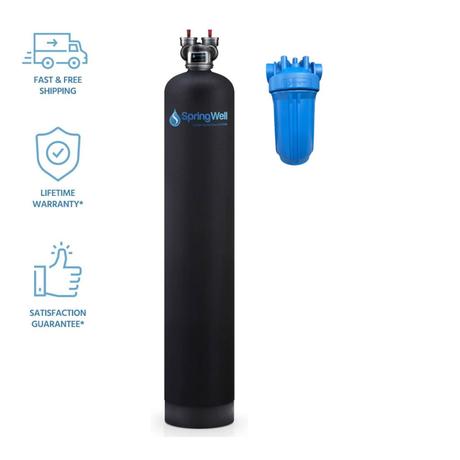
Springwell offers a range of water filtration systems tailored to your specific concerns. Our whole-home water filters treat every drop of water entering your home, ridding it of chlorine, pesticides, herbicides, and more, keeping it fresh, crisp, and clean.
When you install a whole house system like the CF1 (with the available add-ons), you can expect the following benefits:
- Better-tasting and -smelling drinking water
- Healthier baths and showers
- Softer, smoother, and cleaner hair and skin
- Longer-lasting pipes, plumbing fixtures, and appliances
- Possible increase in home value
- Advanced protection against toxic chemicals, heavy metals, bad tastes and odors, pathogens, sediment, and other waterborne contaminants
- Minimal to no drop in water pressure
- Easy installation and low maintenance requirements
To learn more about how this system works and the installation steps, check out this installation video from Home RenoVision DIY.
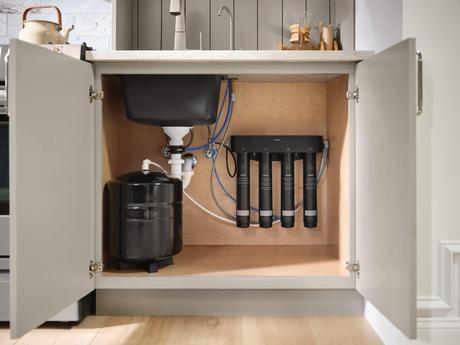
For more targeted filtration, such as at your kitchen tap, the Moen 4-Stage Under Sink Reverse Osmosis Water Filtration System combats contaminants including arsenic, fluoride, TDS, bacteria, viruses, lead, mercury, chlorine, and pharmaceuticals in your cold water. If your water comes from a private well, we also have a selection of well water filtration systems to tackle common well water contaminants.
Final Thoughts
Texas is a national leader in many areas, but clean drinking water isn’t one of them. Despite its strong economy, the Lone Star State has some of the most unsafe drinking water across the U.S., mainly due to its aging infrastructure, pollution from industry and agriculture, and regulatory gaps. But all hope isn’t lost; Texas can turn things around through adequate funding for infrastructural upgrades, stricter enforcement of environmental laws, and other strategic efforts. In the meantime, we can do our part by staying informed, advocating for cleaner water, and investing in a water filter system to ensure our water is safe to drink and use.
If you have questions about our advanced home water treatment solutions or need help finding the ideal one for your needs and budget, request a free consultation call, and we’ll get back to you ASAP.






