Key Takeaways
- Modern septic systems combine efficiency with sustainability, reducing environmental impact.
- Eco-friendly options range from aerobic treatment technologies to water reuse solutions like greywater recycling.
- Maintenance enhancements such as biodegradable additives and real-time monitoring boost longevity and reliability.
As eco-friendly living gains momentum, modern homeowners are reimagining traditional approaches to household wastewater management. Sustainable septic systems are now at the forefront, offering approaches that minimize environmental impact without compromising performance. Those seeking advanced or upgraded systems can find solutions with local experts specializing in septic tank installation Orlando FL. By embracing innovation and responsible practices, households can balance their environmental values with long-lasting system efficiency.
Unlike older systems that often fall short on efficiency and sustainability, new technologies and materials pave the way for septic systems that treat water more thoroughly and reduce strain on natural resources. Each sustainable method aims to optimize legacy infrastructure, accommodating everything from small urban lots to large rural estates.
The increase in regulatory oversight and a rise in extreme weather events have amplified the need for resilient septic solutions. Modern homeowners want systems that not only meet today’s stringent standards but also support a better future by conserving water, promoting biodiversity, and extending system lifespan. Keeping these goals in mind, this guide explores in-depth how contemporary options can support eco-friendly lifestyles.
Homeowners, community managers, and builders alike will discover pathways to lower maintenance costs and environmental footprints through these innovative technologies. From advanced treatment units to systems powered by renewable energy, here is everything you need to know about next-generation septic solutions for today’s homes.
Advanced Treatment Units (ATUs)
Today’s advanced treatment units introduce additional oxygen into the wastewater process, turbocharging the breakdown of organic matter and delivering much cleaner effluent. For properties with limited space or those located near sensitive bodies of water, ATUs can meet tough local regulations without requiring major land disturbance. In one example, a neighborhood in Sarasota adopted ATUs, not only avoiding costly environmental fines but also increasing property values by 15 percent due to improved infrastructure. These systems are also a practical choice for anyone seeking compliance with the latest EPA standards.
Constructed Wetlands
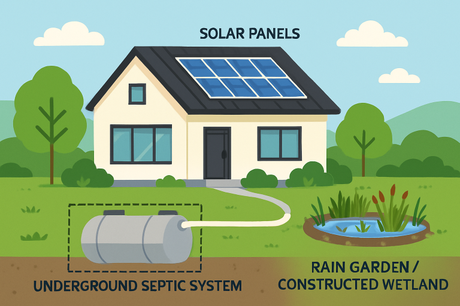
Constructed wetlands mimic natural ecosystems to treat wastewater using native plants, gravel, and carefully engineered soil layers. Wastewater passing through these wetlands is naturally filtered, resulting in cleaner outputs and fostering new habitats for local wildlife. Beyond efficient water treatment, these systems enhance the surrounding landscape’s beauty and biodiversity, turning an oft-overlooked utility into a feature that residents can enjoy. This sustainable option is increasingly popular for green developments and households looking to make the most of their outdoor space.
Solar-Powered Septic Systems
The integration of solar panels with septic systems enables critical components such as pumps and control panels to operate on renewable energy. This approach cuts electricity costs and slashes the carbon footprint of wastewater management. As homeowners seek deeper energy savings and a backup during outages, solar-powered solutions are becoming increasingly attractive. For those already investing in solar installations for their property, seamlessly adding septic components can be a natural and cost-effective upgrade. Solar-driven septic systems fit well with the broader trend toward off-grid living and resilient home infrastructure.
Smart Septic System Monitoring
Digital advances now enable homeowners to monitor septic system health in real time with sensors and smartphone apps. These systems provide alerts to detect issues such as leaks, blockages, or rising water levels, enabling preventive maintenance that reduces the risk of costly failures. With remote access, property owners can maintain peace of mind and catch potential problems before they worsen, bringing septic management into the age of smart homes.
Composting Toilets
Composting toilets are a waterless option that use aerobic decomposition to process human waste into nutrient-rich humus safely. This solution drastically reduces water use and enables nutrient recycling, making it ideal for areas with water scarcity or off-grid lifestyles. Composting toilets require thoughtful placement and regular management but offer significant sustainability benefits over conventional flush systems. Their popularity is on the rise in cabins and tiny homes, and increasingly in residential communities looking to minimize water and infrastructure needs.
Biodegradable Additives for Maintenance
Eco-friendly additives support septic health by augmenting beneficial bacteria and enzymes vital for waste digestion. Unlike chemical additives, biodegradable options prevent environmental harm and avoid system damage. Routine use can help reduce buildups that lead to clogs and minimize the frequency of professional pumping, extending your system’s lifespan and keeping the surrounding environment safer for years to come.
Greywater Recycling Systems
Greywater systems capture runoff from sinks, showers, and laundry and recycle it for safe use in landscape irrigation or toilet flushing. By diverting non-sewage wastewater away from the septic tank, they significantly reduce water consumption as well as strain on the main system. Especially in drought-prone areas or for sustainability-minded homeowners, these systems are an effective way to maximize every drop of water leaving the household. They pair exceptionally well with other green technologies and can make a measurable impact on a property’s environmental footprint.
Conclusion
Upgrading to sustainable septic solutions does not just protect the environment; it also boosts property value, reduces long-term maintenance, and adapts your home to meet future regulations. With options like ATUs, constructed wetlands, and greywater recycling systems, eco-friendly wastewater management is attainable for anyone. Choosing and maintaining the right technology today can offer peace of mind tomorrow, ensuring your property supports both your family and the planet for years to come.
5/5 - (4 votes)