Diabetes mellitus, most commonly known as sugar diabetes, is a common disease in dogs. Golden Retrievers, German Shepherd Dogs, Miniature Schnauzers, Keeshonden, and Poodles have the highest incidence, but all breeds can be affected. Females with the disease outnumber males by three to one. The average age of onset is six to nine years.
(Check out The Rise of Demand for Pet Insurance)
Diabetes is a result of inadequate production of insulin by the islet cells in the pancreas. There may be a genetic predisposition for this in some dogs. Islet cell destruction also occurs in some cases of pancreatitis. Insulin enables glucose to pass into cells, where it is metabolized to produce energy for metabolism. Insulin deficiency results in hyperglycemia (high blood sugar) and glycosuria (high urine sugar).
Glucose in the urine causes the diabetic animal to excrete large volumes of urine. In turn, this creates dehydration and the urge to drink large amounts of water. Initially, dogs that do not metabolize enough sugar have an increase in appetite and a desire to consume more food. Later, with the effects of malnourishment, the appetite drops.
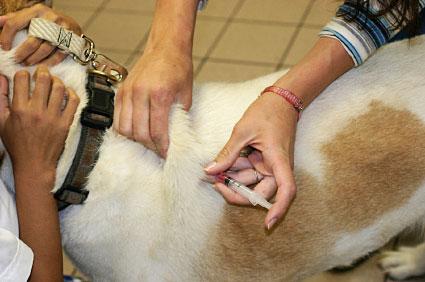
Treating a diabetic dog.
The signs of early diabetes are frequent urination, drinking lots of water, a large appetite, and unexplained loss of weight. The laboratory findings are high glucose levels in the blood and urine. In more advanced cases there is lethargy, loss of appetite, vomiting, dehydration, weakness, and coma. Cataracts are common in diabetic dogs. Ultimately, diabetes is a disease that affects all organs. Diabetic dogs will have enlarged livers, be susceptible to infections, and often develop neurological problems if not treated.