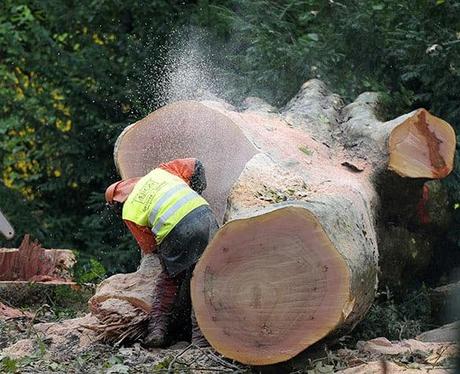
 Stuttgart
is the capital and largest city of the
German state of Baden-Württemberg. It is
located on the Neckar river in a fertile
valley locally known as the "Stuttgart Cauldron" an hour from the
Swabian Jura and the Black Forest. The city and metropolitan area are
consistently ranked among the top 20 European metropolitan areas by GDP. Since the 6th millennium BC, the Stuttgart area has been an
important agricultural area and has been host to a number of cultures seeking
to utilize the rich soil of the Neckar valley. The Roman Empire conquered the
area in 83 AD and built a massive castrum near Bad Cannstatt, making it the
most important regional center for several centuries. Stuttgart's roots were
truly laid in the 10th century with its founding by Liudolf, Duke of
Swabia, as a stud farm for his warhorses. In last century, Stuttgart prospered despite setbacks in the
Thirty Years' War and devastating air raids by the Allies on the city and its
automobile production. However, by 1952, the city had bounced back and it
became the major economic, industrial, tourism and publishing center it is
today.
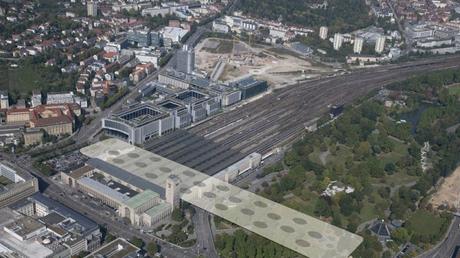
Stuttgart is also a transport junction, and possesses the
sixth-largest airport in Germany, where companies such as Porsche, Bosch ,
Mercedes-Benz, Daimler AG, Dinkelacker are headquartered. Stuttgart 21
is a railway and urban development project in Stuttgart, Germany. It is a part
of the Stuttgart–Augsburg new and upgraded railway and the Magistrale for
Europe (Paris—Vienna) in the framework of the Trans-European Networks. Its core
is a renewed Stuttgart Hauptbahnhof, amongst some 57 kilometres (35 miles) of
new railways, including some 30 kilometres (19 miles) of tunnels and 25
kilometres (16 miles) of high-speed lines.
The
project was officially announced in April 1994. Construction work began on 2
February 2010 but has hit snags all along.
There is cost overrun arising out of delays and heated debates have ensued
on a broad range of issues, including the relative costs and benefits,
geological and environmental concerns, as well as performance issues. As of
2017, the start of operation is expected in 2021, versus with an initial estimation of 2019
(made in 2010).
Lacertaagilis and
Podarcismuralis : two rare breeds of lizard are now delaying the prestige £5.9 billion rail project in southern
Germany. The high-speed line between Ulm and Stuttgart was set to be the latest
jewel in the crown of an already impressive rail network. That was until it was
discovered that the land earmarked for the project was also the habitat of Lacertaagilis, or Sand lizard, and Podarcismuralis, two species of
endangered lizards, the Local reported.
Protected
by European Union environment law, the lizards must be rehomed before work can
start on the land needed for the project. Experts have been enlisted to find
the lizards. They have been picking their way through the grass armed with
lassos on the end of poles trying to retrieve the creatures. According to one estimate, the bill for
conservation will hit $13.7 million, around £1,825 per lizard. Even rehousing
the lizards has not been without controversy, as experts try to find a suitable
new habitat. They need stones on which
they can bask and sunbathe as well as sand in which to lay their eggs.
However
the choice of Killesbertpark, a bucolic area of fields and trees, has not
proved popular with locals who have been incensed by plans to dump 15,000
tonnes of limestone onto what had been an untouched meadow. The lizard
conundrum is just the latest snag to hit the project which is now unlikely to
be completed until 2021 at the earliest.
The stretch of land is only given over for rail construction when
"we have done everything in our powers to collect all the animals," says
an activist leading the
lizard-collecting operation. Over the
past five years, construction has been delayed in several sites throughout the
huge scale project, as builders have had to turn their attention to creating
barriers to protect lizards from building work.
Stuttgart
is the capital and largest city of the
German state of Baden-Württemberg. It is
located on the Neckar river in a fertile
valley locally known as the "Stuttgart Cauldron" an hour from the
Swabian Jura and the Black Forest. The city and metropolitan area are
consistently ranked among the top 20 European metropolitan areas by GDP. Since the 6th millennium BC, the Stuttgart area has been an
important agricultural area and has been host to a number of cultures seeking
to utilize the rich soil of the Neckar valley. The Roman Empire conquered the
area in 83 AD and built a massive castrum near Bad Cannstatt, making it the
most important regional center for several centuries. Stuttgart's roots were
truly laid in the 10th century with its founding by Liudolf, Duke of
Swabia, as a stud farm for his warhorses. In last century, Stuttgart prospered despite setbacks in the
Thirty Years' War and devastating air raids by the Allies on the city and its
automobile production. However, by 1952, the city had bounced back and it
became the major economic, industrial, tourism and publishing center it is
today.
Stuttgart is also a transport junction, and possesses the
sixth-largest airport in Germany, where companies such as Porsche, Bosch ,
Mercedes-Benz, Daimler AG, Dinkelacker are headquartered. Stuttgart 21
is a railway and urban development project in Stuttgart, Germany. It is a part
of the Stuttgart–Augsburg new and upgraded railway and the Magistrale for
Europe (Paris—Vienna) in the framework of the Trans-European Networks. Its core
is a renewed Stuttgart Hauptbahnhof, amongst some 57 kilometres (35 miles) of
new railways, including some 30 kilometres (19 miles) of tunnels and 25
kilometres (16 miles) of high-speed lines.
The
project was officially announced in April 1994. Construction work began on 2
February 2010 but has hit snags all along.
There is cost overrun arising out of delays and heated debates have ensued
on a broad range of issues, including the relative costs and benefits,
geological and environmental concerns, as well as performance issues. As of
2017, the start of operation is expected in 2021, versus with an initial estimation of 2019
(made in 2010).
Lacertaagilis and
Podarcismuralis : two rare breeds of lizard are now delaying the prestige £5.9 billion rail project in southern
Germany. The high-speed line between Ulm and Stuttgart was set to be the latest
jewel in the crown of an already impressive rail network. That was until it was
discovered that the land earmarked for the project was also the habitat of Lacertaagilis, or Sand lizard, and Podarcismuralis, two species of
endangered lizards, the Local reported.
Protected
by European Union environment law, the lizards must be rehomed before work can
start on the land needed for the project. Experts have been enlisted to find
the lizards. They have been picking their way through the grass armed with
lassos on the end of poles trying to retrieve the creatures. According to one estimate, the bill for
conservation will hit $13.7 million, around £1,825 per lizard. Even rehousing
the lizards has not been without controversy, as experts try to find a suitable
new habitat. They need stones on which
they can bask and sunbathe as well as sand in which to lay their eggs.
However
the choice of Killesbertpark, a bucolic area of fields and trees, has not
proved popular with locals who have been incensed by plans to dump 15,000
tonnes of limestone onto what had been an untouched meadow. The lizard
conundrum is just the latest snag to hit the project which is now unlikely to
be completed until 2021 at the earliest.
The stretch of land is only given over for rail construction when
"we have done everything in our powers to collect all the animals," says
an activist leading the
lizard-collecting operation. Over the
past five years, construction has been delayed in several sites throughout the
huge scale project, as builders have had to turn their attention to creating
barriers to protect lizards from building work.
 Those
large costs aren't just for capturing the lizards - they also cover planning,
observation, re-location and the creation of new habitats. Killesberg park, an
area of fields, trees and hills in the north of the city, has faced some more
protests as locals claim nature has been
destroyed for the sake of animal conservation, expressing anger and disbelief
at the introduction of 15,000 tonnes of limestone to the previously untouched
meadow this summer. The stones are piled into two metre-high walls which
Killesberg residents are describing as unnecessary. Questions have also been raised regarding the
organization and effectiveness of the conservation efforts.
But for Baden-Württemberg's Minister-President, Winfried
Kretschmann, who's also Germany's first ever Green Party Minister-President,
the bottom line is animal conservation. "What would be disproportionate,
would be to eradicate two entire species," he said.
It is tough to understand the Western World !!
With
regards – S. Sampathkumar
Those
large costs aren't just for capturing the lizards - they also cover planning,
observation, re-location and the creation of new habitats. Killesberg park, an
area of fields, trees and hills in the north of the city, has faced some more
protests as locals claim nature has been
destroyed for the sake of animal conservation, expressing anger and disbelief
at the introduction of 15,000 tonnes of limestone to the previously untouched
meadow this summer. The stones are piled into two metre-high walls which
Killesberg residents are describing as unnecessary. Questions have also been raised regarding the
organization and effectiveness of the conservation efforts.
But for Baden-Württemberg's Minister-President, Winfried
Kretschmann, who's also Germany's first ever Green Party Minister-President,
the bottom line is animal conservation. "What would be disproportionate,
would be to eradicate two entire species," he said.
It is tough to understand the Western World !!
With
regards – S. Sampathkumar
12th Sept. 2017