


The tech-oriented world makes software development an integral part in industries. Around 90% of people believe that hiring developer for their business is important today. Indeed thinking of a life without digital means is a next to impossible thing.
But when going deeper into the development part, you will find the process very complex. It’s highly organised with some well-defined systems plus strictly defined steps called the Software Development Life Cycle (SDLC).
Find : Best Software Development Tools
While working on a software suite, mobile or web application, you should concentrate on the process that your whole team will follow. It’s more important than all the other essential factors. And planning is a much obvious thing as without it accomplishing the 100% results becomes a bit critical.
As Benjamin Franklin said,
– “If you fail to plan, you are planning to fail”.
Now, let’s peek into the sequence of steps required for the best-quality software product development. And, here we dive into the software development tips.
What is SDLC?
The Software Development Life Cycle is a set of rules and practices that help to unite tech, non-tech team members and project stakeholders to convert your excellent idea into a unique software product.
And this SDLC includes 6 stages:
- Planning
- Analysis
- Design
- Implementation
- Testing & Integration
- Maintenance
So, let’s get started with the SDLC stages:
#1. Planning
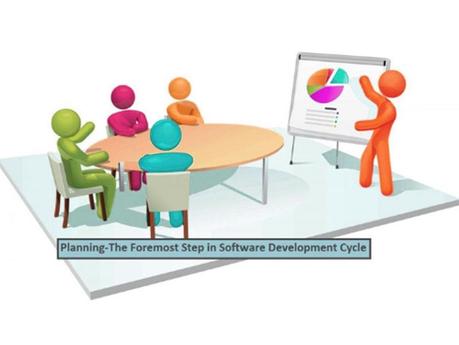
Once they are done with the research and specification part, they use the whole information to plan effectively. And the other aspect of planning is putting a cost-benefit analysis together. The process involves determining how the project will help the company further.
#2. Analysis
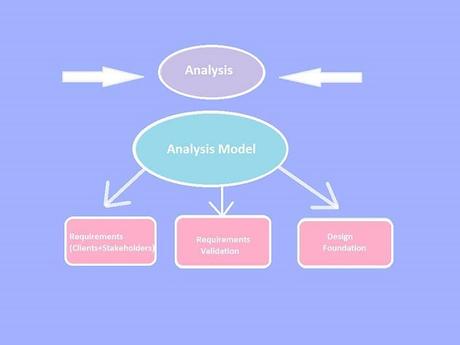
You can consider this stage as a solution finder step of the problems. The whole software development team works on it and finds the root cause of every problem plus its solution. The motive here is removing the barriers that would hinder its success.
This is a step where a software requirement specification (SRS) document is created to identify the project’s scope. Once management approval is obtained, the project can begin.
#3. Design
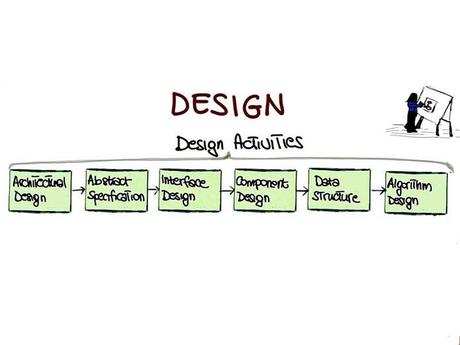
The stakeholders review the whole document and share the feedback through which design approach is selected. Market research, design modularity, risk assessment, timelines and budget should be taken into consideration. It’ll define the architectural modules, along with the communication and data flow representation. It includes third-party and external modules.
Architecture’s internal design should be defined in a complete and detailed manner. The components that have to be included are screen layouts, process diagrams, business rules plus other documentation. The development team should be able to develop and deliver the software based on the details shared in the document with minimal additions.
The third stage uses the SRS document created in the Analysis stage for designing the optimal product’s architecture. It dictates the design approaches included in the DDS.
#4. Implementation

Software developers use this language to determine the language for software depending upon its type plus customer requirements. At this stage’s end, software proceeds for the production.
#5. Testing & Integration
Find : 6 Best Tools for Mobile Web Application Testing
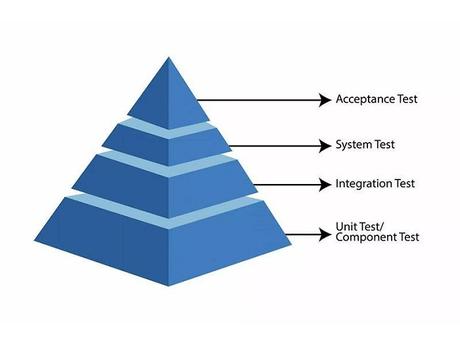
They consider it as a maintenance’s subset and in such cases, it may be called a post-implementation review. Testing includes asking essential questions such as:
- Does the software meet business objectives?
- Is the software reliable?
- Are there any bugs left?
- Does it function according to the requirements of approved functionalities?
During this stage, evaluating the development process itself is a good idea as it will find the aspects which are not going according to the plan. With it, the team can correct all the mistakes and inconsistencies for their next project.
#6. Maintenance
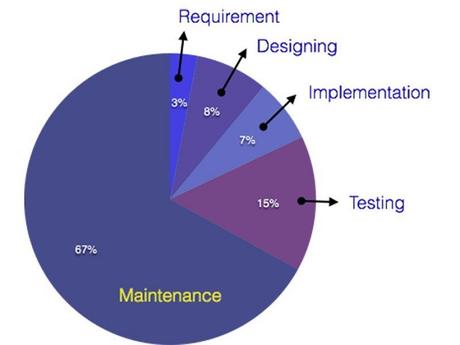
For instance-the product may be available to its current clients. If the client suggests anything then it might be possible that after making all the changes the deployment will occur. When the product is released, its maintenance is done for the customers. The ultimate goal of this last stage of SDLC is keeping your product’s performance with no bugs and errors.
Concluding Thoughts
Software Development Life Cycle justifies its importance and uses in all the industry types. It’s a foundation model for arranging a framework and equipping the entire team in both the technical and non-technical activities for delivering the best software to its clients. That’s what matters in the end.
Recommended Reading :
- Top 7 Ways to Accelerated Software Development
- What is the Future of Custom Software Development?
- How is .Net Used in Software Development?
- How Do Custom Software Development Solutions Improve Your Business Productivity?
- 10 Best E-commerce Software Solutions
- Cost of Custom Software and Factors Determining the Cost
All these are the bonus software development tips that I’ve shared above. By following these you can develop top-notch quality software and make your brand stand out in the market. And, if you’re facing difficulties then you can hire software developers in India. They will help you out and build a market-ready software for you.






