


In an era where reality TV deftly blurs with high-concept fiction, ‘Squid Game: High-Stakes Reality Show Takes the World by Storm’ emerges as a cultural phenomenon.
This article critically examines how 456 contestants’ battle for a colossal prize reflects our society’s enthrallment with voyeuristic spectacle.
It scrutinizes the ethical contours of this televised contest, probing the psychological depths of the participants and the show’s resonant impact on the evolution of reality entertainment.
The Squid Game Phenomenon
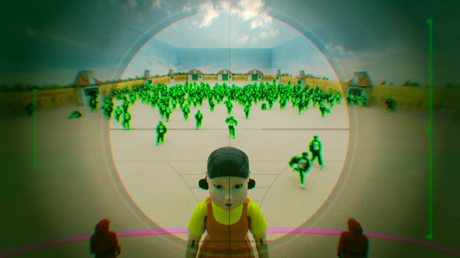
The global fascination with ‘Squid Game: The Challenge’ has catapulted it into a cultural phenomenon, drawing viewers into its high-stakes drama and unprecedented competition format.
This reality-competition show has not only mirrored the original series’ grim survival narrative but has also amplified it through the lens of a voyeuristic audience.
The concept of 456 real people vying for a colossal cash prize is as compelling as it is chilling, reflecting a society increasingly comfortable with the gamification of desperation.
The show’s casting scale presents a logistical behemoth, raising concerns over participant welfare and ethical spectatorship.
While it ingenely capitalizes on the success of its fictional predecessor, ‘Squid Game: The Challenge’ also risks trivializing the profound social commentary that underpinned the original script, potentially undermining its critical impact.
Contestants: Beyond the Numbers
While the sheer scale of ‘Squid Game: The Challenge’ has garnered much attention, it is the personal narratives of the 456 contestants that lend the show its emotional depth. These individuals, plucked from obscurity, are not mere ciphers in the service of entertainment; they are the lifeblood of the show.
Their backstories and motivations offer a human dimension to the spectacle, transforming them from numbered players into relatable figures with whom the audience can sympathize or revile.
The program’s producers have adeptly woven these personal tales into the fabric of the game, ensuring that viewers are invested in the outcomes beyond the superficial thrill of victory or the schadenfreude of defeat. In doing so, they have created a rich tapestry that balances the inherent voyeurism of reality TV with a poignant exploration of human aspiration and frailty.
Competition Dynamics and Strategies
Delving into the competitive fray, ‘Squid Game: The Challenge’ reveals a complex web of alliances and rivalries, as contestants navigate the treacherous waters of strategy and manipulation to claim the ultimate prize.
The show’s premise fosters a cutthroat environment, echoing the survival-of-the-fittest ethos. Participants must balance coalition-building with individual cunning. A contestant’s swagger may foster camaraderie or paint a target on their back. Each move is a calculated risk, as the semblance of trust is ephemeral and betrayals are commonplace.
The series, while engaging viewers with suspenseful music and dramatic eliminations, also raises ethical questions about the psychological toll on participants, teetering on the edge of exploitative spectacle. The strategic depth is marred by the potential cost to human well-being.
Original Vs. Reality Show Adaptation
Often drawing comparisons to its dramatic predecessor, ‘Squid Game: The Challenge’ adapts the original series’ grim social commentary into a reality competition format, albeit with a heightened focus on entertainment over existential dread.
The original ‘Squid Game’ wielded a dystopian narrative to critique extreme socioeconomic disparities, ensnaring viewers in its bleak yet captivating world. Its reality counterpart, while mirroring the tension and high stakes, lacks the layered storytelling that offered a poignant examination of human nature under duress.
The reality show’s emphasis on contestant backstories and interpersonal dynamics, though engaging, trades narrative depth for relatability and spectacle. This shift dilutes the potency of the original’s allegory, transforming a stark exploration of desperation into an elaborate game show that risks glamorizing the survivalist instincts it once condemned.






