


Smart home privacy has been a concern since the inception of the concept. Much progress has been made in keeping the smart home private, especially when it comes to always-on-listening devices and security cameras. Having said that, we must ask ourselves the question: is it enough? Smart home technology continues to gain in capacity, but in doing so, it collects more and more information about the user.
This is especially true now that CES 2021 is in the rearview mirror. The past year has seen an increased awareness and focus on personal health, which has led to the creation of many products that help users stay on top of potential issues.
Two products in particular come to mind: the Toto wellness toilet and the Ettie smart video doorbell. Both of these products collect health information, which is protected by a host of laws and regulations in the consumer market - but what about the smart home market?
Personal health on the horizon
The wellness toilet uses sensors to analyze not only the contents of the toilet, but also the user's skin. It can supposedly measure stress, fitness level and other bodily conditions. While it is certainly important to know this information - after all, there is a wealth of medical information in feces no matter how much people prefer to avoid the subject - what dangers does this expose the user to?
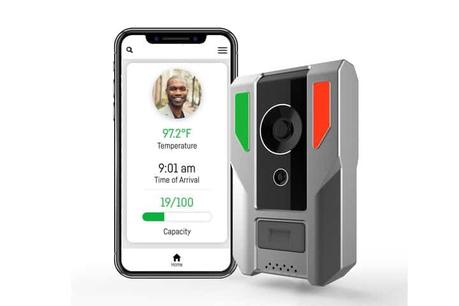
Ettie smart video doorbell takes a different approach. It measures the body temperature of visitors upon arrival, alerting the owner if the person has a fever. It also informs the visitor that their body temperature is abnormally high by flashing a red LED. Again, important health information, especially at a time when the mere mention of a fever is enough to cause panic.
If you think HIPAA will protect you, think again. The Health Insurance Portability and Liability Act only applies to healthcare professionals and those who have access to your personal information, not devices such as wellness toilets or the Ettie smart video doorbell. .
Video is one thing, health data is another
Vulnerabilities in your home network can open your smart devices to unwanted eyes. While it is one thing for a hacker to spy on you through a security camera, it is quite another thing for medical information to become available to anyone with a packet sniffer. In the wrong hands, a person's health information can be damaging.
While this may seem a bit of a leap, there have been instances in the past that these concerns are valid. A hacker terrorized a family through his security camera. Ring also found numerous security breaches that created fear among users. Although many measures have been taken and protections put in place, others are necessary to safeguard personal data.
The dangers of compromised health data
The solution lies in encryption, as well as other security precautions that can be taken. Whether it's a vacuum system, much more advanced safety features, or proprietary technology, the need for safety is greater than ever with smart health-focused technology soon to conquer the market. . It's one thing for a hacker to look into your home through a security camera, but it is quite another thing for someone to see your body through health-oriented technology.
Think about it: Employers tend to google for stories about potential employees. If you are applying for a job and your health information is available, it may disqualify you. While the information is not particularly damaging, it can influence others' opinion of you. For example, if you have a disorder that can make it difficult - but not impossible - for you to do a job, you will fall to the bottom of the candidate list.
There are other illnesses that make people outcasts for the general public. Autoimmune disorders are one example. Whatever afflictions you might be suffering from, it's not something you want the general public to know about, especially if it's disclosed and easily found through a Google search.
Making sure this information isn't readily available is the bare minimum that businesses can do when they have access to your data. Steps can be taken to protect information, whether through military-grade encryption, restricting access without two-factor authentication, and other security features are all needed when vital personal information is online.
Editor's recommendations
https://www.digitaltrends.com/home/smart-home-technology-must-defend-personal-health-data/