


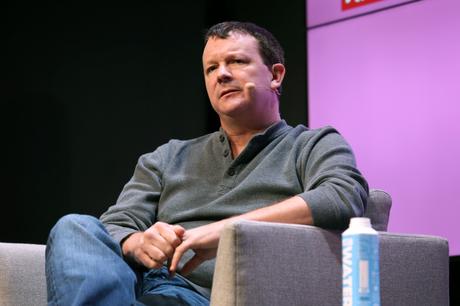
Brian Acton is crossing the streets with Facebook again. In over a decade of creating and managing WhatsApp, the company's co-founder first competed and then sold his instant messaging app to the social behemoth. Just a few years ago he split from the company that made him a billionaire in a bitter split over messaging and privacy.
Now Acton says the ongoing outrage over what Facebook did to the messaging service it helped build is bringing people to its latest project: Signal. Acton, who serves as executive chairman of the privacy-conscious messaging app holding, told ProWellTech in an interview that Signal's user base has "exploded" in the past few weeks.
"The smallest of events helped trigger the largest of results," Acton said in a video call. "We are also excited to have conversations about online privacy and digital security, and people are turning to Signal for the answer to these questions."
"It is a great opportunity for Signal to shine and to give people a choice and an alternative. It was a slow burn for three years and then a huge explosion. Now the rocket is going, "he said.
The event Acton is referring to is the recent change in data sharing policy disclosed by WhatsApp, an app that serves more than 2 billion users worldwide.
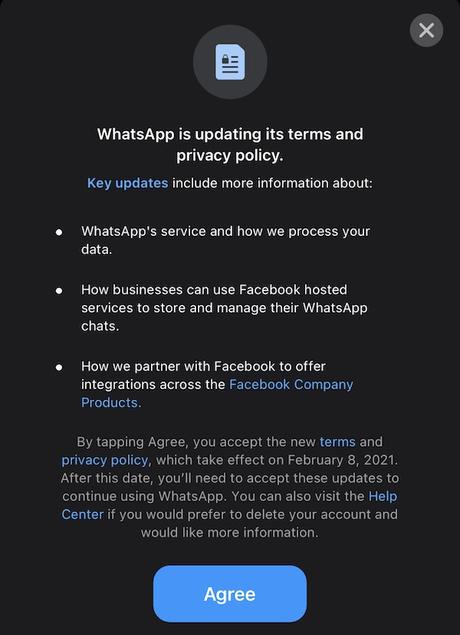
Through an in-app notice, WhatsApp has asked users in recent days to accept new terms of conditions that grant the app consent to share their personal data with Facebook. Users will need to agree to these terms by February 8 if they wish to continue using the app, the notice said.
Acton said WhatsApp is struggling with incorporating monetization features while protecting people's privacy. And its new "complicated politics" has forced WhatsApp and the media to seek explanations and "everyone is confused".
Acton did not disclose how many users Signal has amassed over the past few weeks, but said the app is currently # 1 on the App Store in 40 countries and on the Google Play Store in 18 countries. (Signal isn't the only app users have been exploring in the past few days as their new home. Telegram said at noon Tuesday that more than 25 million users had signed up to the platform in the past 72 hours. The app now has over 525 million monthly active users.)
According to mobile analytics firm App Annie, whose data was shared by an industry executive with ProWellTech, Signal had approximately 20 million monthly active users globally at the end of December 2020. According to Sensor Tower, the app was downloaded more than 7.5 million times between January 6 and January 10.
Since its inception in 2018, Signal has promised that it will not sell its user data and that it will not show ads to its users. In 2018, Acton invested $ 50 million in the Signal Foundation, a check he said helped get the ball rolling. But how does the messaging app intend to stay afloat in the future?
Signal today also relies on donations to fund the business, and more users mean more donors, he said. "If Signal reaches a billion users, it means a billion donors. All we have to do is make you so excited about Signal that you want to give us a dollar or 50 rupees. The idea is that we want to earn that donation. The only way to get there. earning that donation is building an innovative and delicious product. This is a better relationship in my opinion, "he said.
Acton said this model worked for the company, which maintains a small staff of fewer than 50 people. Between his frugal spending and the foundation's generosity, Signal still has some money in the bank.
Signal Foundation has also previously stated that Messenger is its first product and, like Mozilla and the Wikimedia Foundation, it intends to expand to more categories. Acton said the team will ask if they want to work on archiving and email products over the next few years, but said the current focus remains on the messaging app.
Although Acton publicly urged users to leave Facebook, in our conversation it did not suggest people to stop using WhatsApp. On the contrary, Acton said he imagines that people rely on Signal for conversations with their family and close friends, and that they use WhatsApp for other chats. "I don't want to do all the things that WhatsApp does. My desire is to give people a choice," he said. "Otherwise, you are stuck in something where you have no choice. It's not strictly a win-win scenario. "
One of the criticisms WhatsApp often receives is that it does not do enough to curb the spread of false information on its platform, which has resulted in real-life casualties. I asked Acton what Signal, which also secures its users' conversations with end-to-end encryption, would do if people started using its app for a similar purpose. Acton said it's a tough challenge and while the technology and platform have their share of responsibility, they can only do so much, especially when you can't watch the conversation content.
"You should teach your children good digital responsibility. Don't just take the information you get immediately. Understand its source. Understand who the trusted sources are. As a society, teach each member how it works, "he said, pointing to the early days of the internet when email scams were rampant and with time and education people learned to identify them.






