


As I waded through the nostalgia and expectation surrounding Scott Pilgrim’s leap to anime, I couldn’t help but feel both a creator’s pride and a daunting responsibility.
I’m Bryan Lee O’Malley, and when Netflix approached me with the idea of turning my graphic novel series into an anime, I knew it was a chance to push the boundaries of the characters and world I’d built. Weaving in my love for classic anime and the intricate storytelling of modern games like Elden Ring, I aimed to create a fresh yet familiar experience for fans.
It was important for me to stay true to the essence of the original while exploring new narrative possibilities. I’ve poured my heart into ensuring that this adaptation resonates with both those who’ve grown up with Scott and those who are just meeting him.
Drawing Creative Inspiration
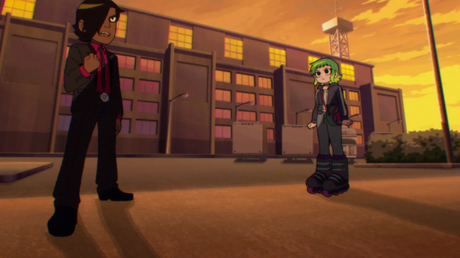
I’ve drawn inspiration from a multitude of sources, including iconic anime like Dragonball Z and modern masterpieces such as Elden Ring, to shape the Netflix anime adaptation of Scott Pilgrim. These influences have been critical in re-envisioning a world that’s both familiar and thrillingly new.
There’s a raw energy in Dragonball Z’s epic battles that I’ve aimed to encapsulate within the show’s own fight sequences.
Meanwhile, Elden Ring’s dense lore and intricate world-building have pushed me to deepen the narrative backdrop of Toronto, infusing it with layers that resonate with both old fans and newcomers.
I’ve meticulously analyzed each source, extracting key elements that serve the unique tone of Scott Pilgrim’s universe, ensuring the adaptation isn’t just a retelling but an evolution.
Expanding Character Depth
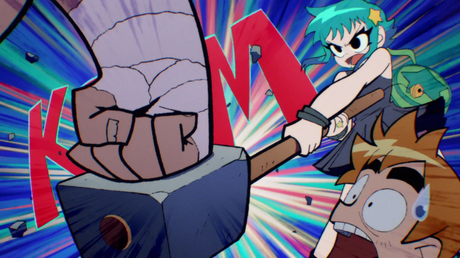
Delving into the anime adaptation, I’ve uncovered new facets of each character, striving to present them as more than just protagonists or antagonists but as complex beings with rich backstories and motives.
The creators’ commitment to deepening the narrative canvas reveals layers previously unseen. The once straightforward antagonist, Matthew Patel, and other exes are now characters with their own tales, not mere obstacles for Scott to overcome.
This evolution signifies a shift from a single viewpoint to a multifaceted narrative, inviting viewers to empathize with characters they might’ve previously dismissed. By reimagining their journeys, the series achieves a more nuanced portrayal, reflecting the messiness of real human relationships.
It’s a daring recalibration that respects the source material while exploring the breadth of human experience.
Reimagining Scott Pilgrim
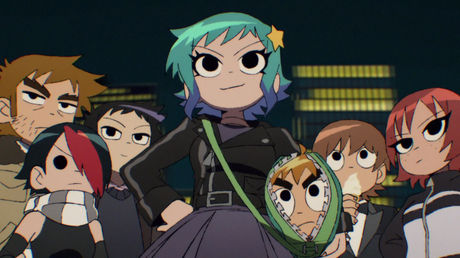
In reimagining Scott Pilgrim for the Netflix anime adaptation, I’ve embraced the challenge of presenting his character with renewed complexity and relevance to today’s audience. This wasn’t about just dusting off an old manuscript; it was about delving into the nuanced, sometimes uncomfortable, evolution of Scott’s persona.
The shifting cultural landscape demanded a critical look at his actions and relationships, especially considering the younger generation’s perspective on toxic behavior. By weaving in the cultural shifts and the online discourse that surrounds Scott Pilgrim, the series not only acknowledges his flaws but also challenges viewers to confront them.
It’s a balancing act—honoring the essence of the original while ensuring the narrative remains vibrant and pertinent. This adaptation is a conversation with the times, a blend of homage and reinvention.
Navigating Cultural Perceptions
Bryan Lee O’Malley’s approach to the Netflix anime adaptation of Scott Pilgrim meant carefully steering through the shifting cultural perceptions of his characters and their stories.
As the creator, I recognized that the cultural tides have turned since Scott’s initial debut. Younger audiences have voiced concerns over Scott’s character, deeming him problematic within the context of modern discourse on toxic relationships. I couldn’t ignore this evolution in perception.
It was crucial to address Scott’s flaws head-on, portraying his behavior with a critical lens while maintaining the essence of the narrative. This delicate balance ensured the series resonated with contemporary viewers and honored the characters’ complexities.
It was a tightrope walk between staying true to the original and acknowledging the cultural shifts in audience expectations.






