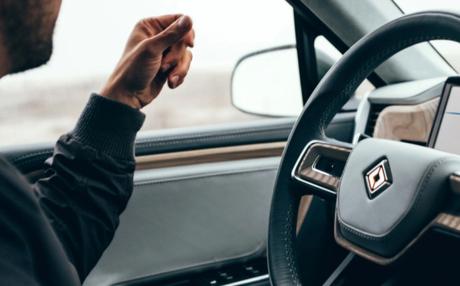
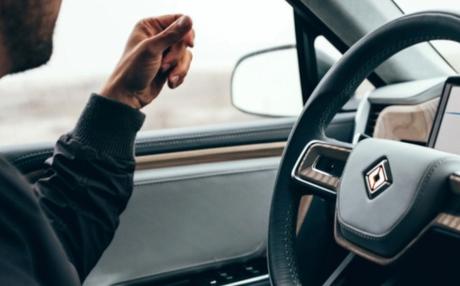
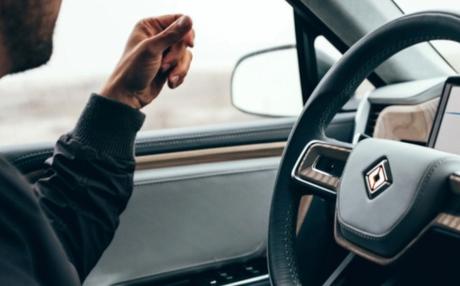
Electric carmaker Rivian will standardize its hands-free driving assistance system in every vehicle it builds, including its first two vehicles - the RT1 pickup and the R1S SUV - which will hit the market in 2021.
Details about the system, which is branded as Driver +, were just one of several new information released on its website Wednesday, including the pricing and specs of its R1T pickup and R1S SUV.
Rivian said the driver assistance system will automatically steer, adjust speed and change lanes on command. The capabilities of the system described by Rivian suggest that it is a Level 2 system as designated by SAE International. Level 2 means that the system can perform two or more parts of the driving activity under the supervision of the driver. To support this level of guidance, the system will be powered by two redundant computing platforms, 12 ultrasonic sensors, 10 external cameras, five radars and high-precision GPS. This essentially provides the vehicle with 360 ° visibility and radar. It's a robust suite of hardware that surpasses what Tesla uses for its driver assistance system. The hardware suite is similar to GM's hands-free Super Cruise system with the exception that Rivian appears to have multiple cameras.
Rivian is also installing a driver monitoring system that includes a cab-facing camera in its vehicles to ensure that drivers keep their eyes on the road when the system is activated. Initially, the hands-free system will only be available on certain highways and then will expand over time - improvements achieved through over-the-air software updates - to include a wider geographic area and more road types. This is similar to GM's approach with its hands-free Super Cruise system, initially limited to a few divided highways and eventually expanded.
Although there are a number of automakers with Tier 2 systems, they vary in capacity. GM's Super Cruise hands-free systems and Tesla's Autopilot are considered to be among the most capable and easiest to use, according to a recent Consumer Reports assessment of driver assistance systems. However, Tesla's system scored lower overall because it lacks a driver monitoring system that makes sure the driver is alert and paying attention to the road.
Source link