I picked up this book last year when I visited the Vanderbilt’s summer house, The Breakers, with my in-laws. The lives of the Vanderbilts seemed like something from so long ago, it was interesting to think of Anderson Cooper coming from this family. Those who want to read about hobnobbing with artists and celebrities will find plenty of that in this book. But it’s also a story about a woman who tried to rise above her troubled (though very privileged) upbringing. And its a deeply felt exchange between a mother and son, and an exploration of how both were influenced by their famous family.
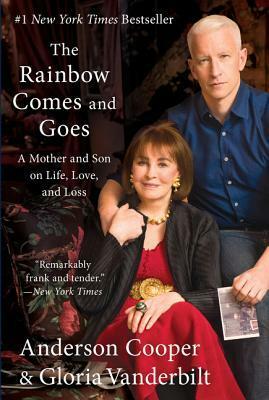
This book held particular meaning for me right now, as my father just died at 91, which was the age of Vanderbilt as she began this email exchange with her son in 2018 (she passed away at 95). I wish my father had been as expressive with me as Vanderbilt was with her son. He never wanted to talk about his childhood or his family.
Vanderbilt was the daughter of Gloria Morgan and Reginald Vanderbilt. Her father died when she was a baby; he was an alcoholic and a gambler and depleted the Vanderbilt fortune but left her and her half-sister a trust fund. Her mother was only 18 when her husband died. Young Gloria was raised primarily by her maternal grandmother and her nanny. Her mother needed custody in order to receive an allowance from the trust fund, but was emotionally unavailable.

As a child, Gloria was caught up in an extremely public custody battle between her aunt, Gertrude Vanderbilt, and her mother. She was pushed and pulled by relatives, lawyers and judges, and her childhood, while not abusive, was highly unstable and she lacked a father figure. She was called a “Poor Little Rich Girl” as a child during the custody dispute, and her life was one of great privilege but also great challenges.
After several marriages, Gloria found happiness with Wyatt Cooper, and she credited him with teaching her how to be a loving parent. Sadly, he died young, when Anderson was only ten years old. Despite a turbulent life she always pursued new challenges; she was a home and fashion designer, revolutionizing designer jeans for women, and also an artist and a writer.
In their emails, she and Anderson discuss the differences in their personalities and how that influenced their accomplishments. Vanderbilt prefers to jump at opportunities rather than to plan, and she insists on seeing positive outcomes rather than negative. Cooper describes himself as the opposite, someone who would prefer always to plan for the worst and be happily surprised when things turn out better. Of course, he notes that his career has been spent in war zones while hers has been in art, fashion, and decor.
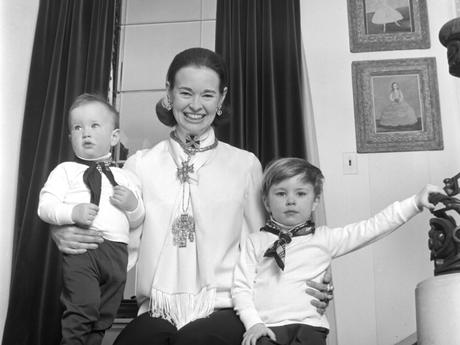
Over the course of their correspondence, Cooper discovers similarities with his famous mother, not just differences. He credits her for his strong work ethic, perseverance and confidence. The title of the book, a phrase written by Wordsworth is a reference to weathering life’s tragedies and believing that things will get better. Cooper describes his mother in this way:
The rainbow does come and go for all of us, but what is remarkable about you is that you still believe it is out there even when you can’t see it, and you keep moving forward, searching for it, even on the darkest of days.
I appreciated this story about a mother and son finding common ground and developing a better understanding of each other. This book also gave me insights about how hard it might be for someone raised without love to be an affectionate parent.
This is not a detailed history of the Vanderbilt family; it’s more of an emotional discussion. I recommend it for people who prefer more personal memoirs to biographies.