


Blocked drains are a common problem that can have far-reaching consequences beyond just inconvenience and costly repairs. One of the most significant impacts of blocked drains is the harm it causes to the environment. In this article, we will explore the environmental impact of blocked drains and offer tips for environmentally conscious plumbing practices.
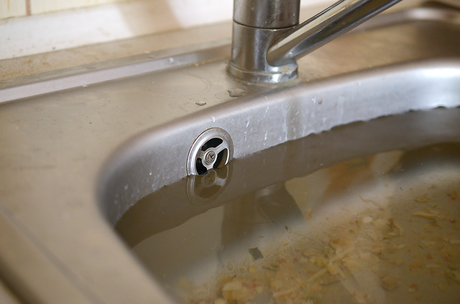
Water Pollution
One of the most significant environmental impacts of blocked drains is water pollution. When drains become clogged, they prevent water from flowing freely, which can lead to backups and overflows. This can result in untreated sewage and other pollutants being released into waterways, which can harm wildlife and contaminate drinking water sources.
Harm to Wildlife
Blocked drains can also harm wildlife by reducing the quality of their habitats. Polluted waterways can affect the health and survival of aquatic animals, such as fish, and can also lead to the spread of diseases. Additionally, blocked drains can cause flooding, which can displace animals from their natural habitats and cause harm to wildlife populations.
Tips for Environmentally Conscious Plumbing Practices
To prevent the environmental impacts of blocked drains, there are several steps that homeowners can take to practice environmentally conscious plumbing:
- Use eco-friendly cleaning products: Harsh chemical drain cleaners can be damaging to the environment and can also corrode pipes. Instead, use natural cleaning solutions like vinegar and baking soda or choose eco-friendly drain cleaners that are less harmful to the environment.
- Properly dispose of household waste: Many household items, such as wet wipes and cooking oils, can clog drains and contribute to water pollution. Make sure to properly dispose of these items in the trash instead of flushing them down the drain.
- Install drain strainers: Drain strainers can prevent hair, food waste, and other debris from entering your drains and causing blockages.
- Schedule regular drain cleaning: Regular drain cleaning can prevent blockages before they occur, reducing the risk of water pollution and harm to wildlife.
Conclusion
Blocked drains can have a significant impact on the environment, from water pollution to harm to wildlife. By practicing environmentally conscious plumbing practices like using eco-friendly cleaning products, properly disposing of household waste, installing drain strainers, and scheduling regular drain cleaning, homeowners can help prevent these harmful effects and contribute to a cleaner, healthier environment.






