


Plantation companies should look at moving out of high labor intensive crops and plant crops like coffee, spices, avocados, and berries which are revenue yielding and also opens up new export opportunities said Chairman of Planters’ Association of Ceylon (PA) Chairman, Senaka Alawattegama at their 169th AGM on Friday.
When traditional crops like tea or rubber become less suitable for certain lands, plantations should make transition to cultivating other valuable crops. (Crop Diversification) Plantation companies should also lead the way on value-addition, including dried fruit, ready-to-drink beverages as well as tea and cinnamon extracts that could potentially generate significantly greater export value. While tea and rubber have traditionally played significant roles in Sri Lanka’s economy, it is also past time that the plantation sector/be given the green light to diversify its product offerings.
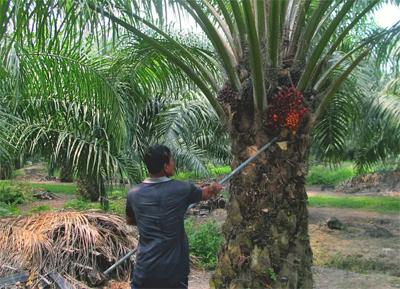
He said that the Oil palm cultivation has been a subject of heated debate and unfounded controversy!
“This is a sector which has been hampered by rampant, politically motivated misinformation despite it having the greatest potential to mitigate and even reverse the damage that is being done to the plantation sector as a whole.”
At present, Sri Lanka consumes 220,00 Metric Tons of palm oil. Only 12% is produced locally, In 2023, the import bill associated with palm oil is approximately US$ 300 million that we could substitute. We reiterate that if Sri Lanka is to progress, we must be able to formulate policy based on facts and data, not slogans and rhetoric.”
“RPC employees in the oil palm sector currently receive an average income in excess of Rs. 100,000 per month. It is a tragic waste that we have such a lucrative option available to us in a time of such profound economic hardship and we continue to deny more Sri Lankans from having access to similar opportunities.”
Currently, Indonesia produces more than 40 million Metric tons of palm oil per year and generates 4.5% of its GDP and provides employment to 3 million people. Similarly, Malaysia’s palm oil industry produces 18.5 million Metric tons that contributes between 2.5% of its GDP.
“While the President has already provided his support for such an approach we continue to face other red tape and these obstacles must be cleared with immediate effect.”
The jobs created by these crops are found in remote rural areas where work is hard to find. The sector also provides sustainable livelihoods for both farmers and producers, and has lifted millions out of abject poverty, and into a thriving middle-class.
“Therefore it is critical that Sri Lanka take steps to expand oil palm cultivation without jeopardizing biodiversity.”
“This can be accomplished by simply phasing out unproductive and unprofitable rubber.”
Commenting on the rubber sector he said that following significant volatility/ rubber prices saw marginal improvement to Rs. 536 per kg in June 2023.
“However, average prices of the 1H23 were 21. 4% lower than the corresponding period in 2022.”
The ongoing Circular Spot Leaf Disease outbreak has taken a toll on rubber production, causing reductions of up to 30% in affected areas/National rubber production declined by nearly 6,000 MT/from 2021 to 2022/ with an estimated loss of around 12 million US Dollars. Unfortunately/ there are no viable solutions to address this issue. This year Sri Lanka’s Rubber production is expected to be 60 million kg and urgent action is needed to improve it.
“Research into biological and mechanical methods to enhance productivity should also be explored.”






