Search engine optimization is often treated as a purely digital discipline: keywords, backlinks, technical audits, content updates, analytics dashboards, and endless algorithm conversations. But some of the strongest signals that influence online search performance begin offline. Real-world reputation, local trust, brand recognition, community presence, and customer conversations can all create measurable SEO benefits when they are connected intentionally to your online presence.
TLDR: Offline SEO still works because search engines reward signals that reflect real-world credibility, popularity, and trust. Techniques such as local networking, print promotion, events, customer reviews, sponsorships, and public relations can increase branded searches, citations, backlinks, and local visibility. The key is to make every offline interaction easy to trace back online through consistent business information, memorable branding, QR codes, review requests, and trackable landing pages.
Why Offline SEO Still Matters
Offline SEO refers to traditional marketing, relationship building, and reputation-building activities that support your search engine visibility. While these tactics may not happen inside a content management system or SEO tool, they can still generate the outcomes search engines care about: authority, relevance, trust, mentions, reviews, links, and user engagement.
For example, a local bakery that sponsors a school fundraiser may earn a mention on the school website, photos on social media, new customer reviews, local news coverage, and a noticeable increase in people searching its name. None of that starts with a keyword spreadsheet, yet it can improve the bakery’s online presence dramatically.
Modern SEO is not just about being discoverable by algorithms. It is about being known, trusted, and talked about by real people.
Image not found in postmeta
1. Build Consistent Local Citations
One of the most reliable offline SEO techniques is making sure your business information is consistent wherever it appears. Your name, address, phone number, website, opening hours, and business category should match across directories, local listings, chamber of commerce pages, event pages, print materials, and signage.
This is especially important for local SEO. Search engines compare information from many sources to decide whether a business is legitimate and where it should appear in local results. If one listing says “Suite 4,” another says “Unit B,” and another has an old phone number, it can weaken trust.
To improve citation consistency, review the following sources:
- Local business directories
- Industry association websites
- Chamber of commerce listings
- Event sponsor pages
- Community bulletin boards
- Printed brochures and flyers
- Newspaper ads and local magazine listings
Offline tip: keep a simple brand information sheet for employees, printers, partners, and event organizers. This prevents mistakes before they spread.
2. Turn Events Into Search Signals
Events are powerful because they create activity around your brand. A workshop, open house, charity drive, product launch, seminar, or local meetup can generate online mentions before, during, and after it happens.
To make events support SEO, create a dedicated landing page for each significant event. Use a short, memorable URL or QR code on posters, banners, tickets, and handouts. Encourage partners and attendees to link to the event page when sharing details online.
Events can help generate:
- Backlinks from sponsors, venues, media outlets, and partners
- Local citations from calendar websites and community pages
- Branded searches from people looking up your company after seeing you offline
- User-generated content through photos, posts, and reviews
- Fresh content through event recaps, interviews, and videos
The secret is planning the digital follow-through before the offline event begins. Do not wait until afterward to wonder how it could help SEO.
3. Use Print Marketing With Digital Pathways
Print is not dead; it just needs better integration. Flyers, business cards, postcards, catalogs, menus, packaging, and posters can all push people toward search-friendly actions. The mistake many businesses make is treating print as a standalone channel.
Every printed piece should answer one question: What should someone do online after reading this?
You can direct people to:
- A specific service page
- A location page
- A review page
- A downloadable guide
- A coupon landing page
- An event registration page
- A branded search phrase such as “Search for Green Valley Dental reviews”
QR codes are useful, but do not rely on them alone. Include a clean, easy-to-type URL as well. A printed URL such as yourbusiness.com/spring is far easier to remember than a long tracking link.
Image not found in postmeta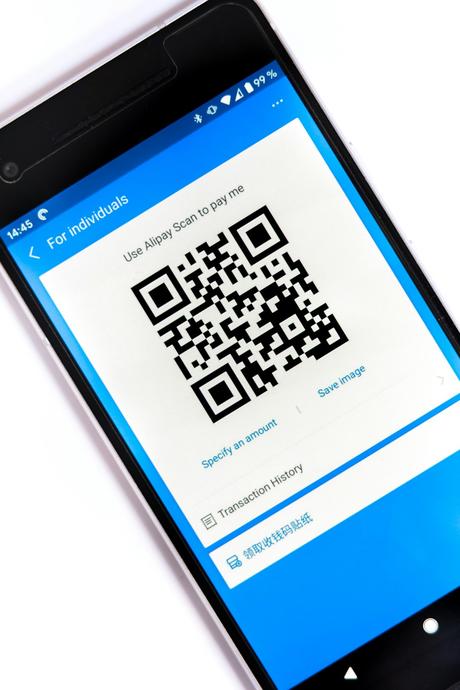
4. Ask for Reviews at the Right Offline Moment
Reviews remain one of the strongest connections between offline customer experience and online SEO. They influence local rankings, click-through rates, trust, and conversions. The best time to request a review is often not through an automated email days later, but in the moment when the customer is happiest.
For example, a restaurant server might say, “We are glad you enjoyed your meal. If you have a moment later, reviews really help local guests find us.” A contractor might leave behind a card with a QR code after completing a project. A dentist’s office might ask satisfied patients at checkout if they would be willing to share their experience online.
To make review requests more effective:
- Train staff to ask politely and naturally
- Use review cards with a direct link or QR code
- Never pressure customers or offer rewards for positive reviews
- Respond to reviews consistently, including negative ones
- Look for common phrases in reviews that reflect customer language
Customer reviews often contain natural keywords, service details, neighborhood names, and trust-building language that can strengthen your local relevance.
5. Earn Local Press and Media Mentions
Public relations has always been related to SEO, even before SEO became a mainstream marketing term. A well-placed mention in a local newspaper, trade publication, radio show, podcast, or community newsletter can create visibility and credibility.
Not every media mention includes a link, but it can still help. People may search your brand after hearing about you. Journalists may mention your business again in future articles. Other websites may reference the story. In many cases, a polite follow-up can turn an unlinked mention into a backlink.
Useful story angles include:
- A new location opening
- A community project
- An expert opinion on a timely issue
- A local hiring initiative
- An unusual customer success story
- A milestone anniversary
- Data or insights from your industry
Good offline PR creates online curiosity. When your brand becomes part of local conversation, search demand often follows.
6. Sponsor Community Organizations
Sponsorships can produce meaningful SEO value when chosen carefully. Local sports teams, nonprofit events, school programs, festivals, conferences, and professional associations often publish sponsor pages online. These pages may include your business name, description, logo, address, and website link.
The SEO benefit is not just the backlink. Sponsorship associates your brand with a real community, improves recognition, and creates repeated exposure. Someone may see your banner at a charity run, your logo on a program, and your company name on the event website. By the time they search for your service, your brand already feels familiar.
When evaluating sponsorships, ask:
- Will the organization list sponsors on its website?
- Is the audience relevant to our customers?
- Will our business name and website be displayed accurately?
- Are there opportunities for photos, interviews, or event recaps?
- Can we create useful content around the sponsorship?
A small, relevant local sponsorship can be more valuable than a large, generic one with no community connection.
7. Network With Other Local Businesses
Business relationships are one of the most underrated offline SEO assets. Accountants refer clients to attorneys. Wedding photographers partner with venues. Gyms collaborate with nutritionists. Restaurants work with nearby theaters or hotels. These relationships can naturally lead to backlinks, mentions, guest articles, co-hosted events, and referral traffic.
Instead of asking, “Can you link to us?” start with, “How can we create something useful together?” That might be a neighborhood guide, seasonal package, local resource page, joint workshop, or recommended vendor list.
Search engines value links that make sense. A local florist being recommended by a wedding planner is relevant. A plumber appearing on a home maintenance checklist published by a real estate agency is relevant. Offline relationships often create the most natural online connections.
8. Use Branded Merchandise Strategically
Branded merchandise can support SEO when it increases recognition and drives people to search for you. Shirts, tote bags, packaging, vehicle wraps, stickers, notebooks, and signage can all create repeated visual impressions. The goal is not simply to put a logo everywhere; it is to make your brand memorable enough that people look it up later.
Effective branded materials usually include:
- A clear business name
- A short tagline explaining what you do
- A website or easy search prompt
- Consistent colors and typography
- A reason to visit the website, such as a guide, discount, or booking page
Branded searches matter because they tell search engines that people are actively looking for your company. As brand demand grows, your site can earn stronger engagement signals and more direct traffic.
Image not found in postmeta
9. Speak at Industry and Community Gatherings
Speaking opportunities position you as an expert, and expertise is valuable for SEO. Whether you present at a trade conference, local college, business breakfast, library program, or nonprofit seminar, you can turn that offline authority into online assets.
Before the talk, ask the organizer to include your bio and website link on the event page. Afterward, publish a summary, slide highlights, or frequently asked questions on your website. If attendees asked thoughtful questions, turn them into blog posts or short guides.
This technique works especially well for professional services, healthcare providers, consultants, educators, financial firms, legal practices, and B2B companies. People search for experts they have heard speak, and search engines reward brands that are mentioned in credible contexts.
10. Make Customer Service an SEO Strategy
Excellent customer service is an offline SEO technique because it creates the conditions for reviews, referrals, repeat visits, direct traffic, and word-of-mouth searches. A customer who feels genuinely cared for is more likely to mention your business online, recommend you in local groups, and choose you again from search results.
Poor service can damage SEO in the same way. Negative reviews, low ratings, and complaints on public platforms can reduce trust and discourage clicks. Search visibility is only valuable if people like what they find when they investigate your brand.
Train your team to understand that every customer interaction can influence online reputation. The person answering the phone, greeting guests, delivering products, handling complaints, or sending invoices is indirectly part of your SEO strategy.
How to Measure Offline SEO Impact
Offline SEO can feel difficult to measure, but it becomes clearer when you set up tracking in advance. Use dedicated landing pages, call tracking numbers where appropriate, coupon codes, QR codes, and simple customer surveys asking, “How did you hear about us?”
Also monitor indicators such as:
- Growth in branded search volume
- New backlinks from local or industry websites
- Increases in direct traffic
- More reviews and higher review velocity
- Mentions in local publications
- Improved local pack visibility
- Higher engagement on location pages
No single metric tells the whole story. Offline SEO works through accumulation: more people recognize you, more websites mention you, more customers review you, and more searchers choose you.
Final Thoughts
The line between offline and online marketing is thinner than ever. A conversation at a trade show can lead to a backlink. A printed postcard can lead to a review. A community sponsorship can lead to branded searches. A great customer experience can lead to the kind of reputation no technical optimization can fake.
Offline SEO techniques still work because search engines are trying to understand the real world. Businesses that are visible, trusted, talked about, and recommended offline tend to create stronger signals online. The best strategy is not to choose between digital SEO and traditional marketing, but to connect them so every offline effort leaves a searchable, measurable, reputation-building trail.