


How to best store your non-stick pans? Here are some tips that will allow you to keep them as new and not throw them away.
Anyone who owns non-stick pans knows this well, with them it is possible to cook without adding oil and fat, obtaining tasty but also genuine cooking results.
In addition, non-stick pans ensure quick and even cooking, perfect if you have little time to devote to cooking.
Having said that, what are those precautions that, during use or in their conservation, allow you to keep their non-stick coating intact and avoid throwing them away too soon?
The first tip, for example, concerns the first use of non-stick pans.
When the pan is new, in fact, it is advisable to wash it by hand, using tepid water. Without rubbing it and being very careful not to scratch it.
Then there are some precautions to take so that the coating of non-stick pans does not get scratched.
For example, starting with the tools used for cooking.
A very important aspect is, in fact, represented by the utensils to be used during cooking. Choose wooden or plastic spoons, replacing them with the classic metal which risks scratching the bottom.
At the same time, do not cut food directly into them.
Also in the washing phase, avoid metal scouring pads or rough sponges and try not to use aggressive chemical products.
NEED NEW NON-STICK PANS? CHOOSE THE BEST ON PROFESSIONAL COOKWARE
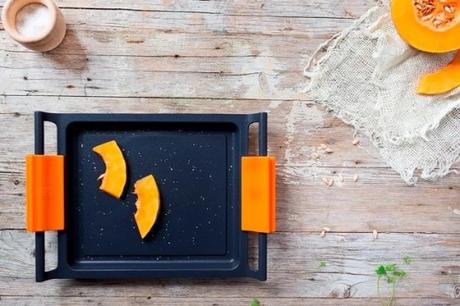
And during cooking?
Non-stick pans should never be overheated. When using a Teflon-coated pan, it is advisable to use a flame that is not too high and not to keep the pans on the heat for too long before pouring the food into them.
Overheating, in fact, can lead to a reduction in the non-stick effect, as well as altering the color of the pan and forming bubbles, up to risking the detachment of the Teflon.
Non-stick frying pans fear excessive temperature changes; therefore, avoid transferring a pan that is still hot to the refrigerator and washing it by immersing it immediately after use in a tub full of cold water.
On the contrary, after each use, wait until the pan has cooled down and soak it in warm water to easily soften any food residue.
Then wash it with not too hot water and use a non-aggressive liquid detergent, wiping it with a cloth (or, alternatively, with the softer side of a dish sponge). Finally, dry it and anoint it with paper lightly soaked in oil, removing the excess with another clean piece of paper.
This will allow you to postpone the moment when you have to throw away the old non-stick pans for as long as possible.






