நிகண்டு என்றால் என்ன என தெரியுமா ?. .. ..
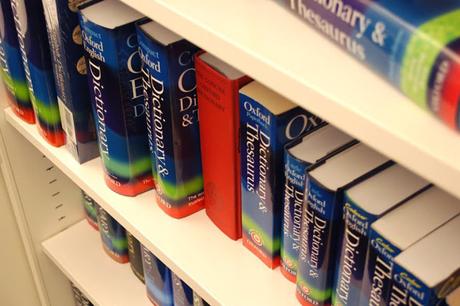
The Oxford English Dictionary (OED) is widely regarded as the accepted authority on the English language. It is an unsurpassed guide to the meaning, history, and pronunciation of 600,000 words— past and present—from across the English-speaking world. The Oxford English Dictionary (OED) is published by the Oxford University PressOxford University Press, the largest university press in the world, and the second oldest after Cambridge University Press. It is a department of the University of Oxford and is governed by a group of 15 academics appointed by the vice-chancellor known as the delegates of the press. The Press is located on Walton Street; it traces the historical development of the English language, providing a comprehensive resource to scholars and academic researchers, as well as describing usage in its many variations throughout the world.
 Work began on the
dictionary in 1857, but it was not until 1884 that it began to be published in
unbound fascicles as work continued on the project, under the name of A New
English Dictionary on Historical Principles; Founded Mainly on the Materials
Collected by The Philological Society. In 1895, the title The Oxford English
Dictionary (OED) was first used unofficially on the covers of the series, and
in 1928 the full dictionary was republished in ten bound volumes. The first
electronic version of the dictionary was made available in 1988. The online
version has been available since 2000.
Life is
complicated and the authentic dictionary is facing a threat .. .. .. a Nigerian lawyer is suing the publisher of the Oxford English
Dictionary for more than £20,000 (10m Nigerian naira) for mixing up the
definitions of two words.
MailOnline reports
that a person - Ogedi Ogu said he was left embarrassed and was no longer asked
for legal advice after he lost the respect of his colleagues when he used the
incorrect words while finalising a mortgage deal.He claimed he relied on the definitions in
the Oxford Mini Reference Dictionary and the Oxford English Mini Dictionary,
which he purchased in 2005 and 2006 respectively, of the word 'mortgagee',
which was defined as the borrower, and 'mortgagor' meaning lender.
Documents filed in
Lagos State High Court by Ogu against Oxford University Press and University of
Oxford state he suffered a loss of reputation as a lawyer when he used the
definitions of the words, which, he claimed, were incorrect. He became aware of
the mix-up when a colleague pointed out to him he had used the wrong words when
showing him their definitions in another non-Oxford branded dictionary.
Work began on the
dictionary in 1857, but it was not until 1884 that it began to be published in
unbound fascicles as work continued on the project, under the name of A New
English Dictionary on Historical Principles; Founded Mainly on the Materials
Collected by The Philological Society. In 1895, the title The Oxford English
Dictionary (OED) was first used unofficially on the covers of the series, and
in 1928 the full dictionary was republished in ten bound volumes. The first
electronic version of the dictionary was made available in 1988. The online
version has been available since 2000.
Life is
complicated and the authentic dictionary is facing a threat .. .. .. a Nigerian lawyer is suing the publisher of the Oxford English
Dictionary for more than £20,000 (10m Nigerian naira) for mixing up the
definitions of two words.
MailOnline reports
that a person - Ogedi Ogu said he was left embarrassed and was no longer asked
for legal advice after he lost the respect of his colleagues when he used the
incorrect words while finalising a mortgage deal.He claimed he relied on the definitions in
the Oxford Mini Reference Dictionary and the Oxford English Mini Dictionary,
which he purchased in 2005 and 2006 respectively, of the word 'mortgagee',
which was defined as the borrower, and 'mortgagor' meaning lender.
Documents filed in
Lagos State High Court by Ogu against Oxford University Press and University of
Oxford state he suffered a loss of reputation as a lawyer when he used the
definitions of the words, which, he claimed, were incorrect. He became aware of
the mix-up when a colleague pointed out to him he had used the wrong words when
showing him their definitions in another non-Oxford branded dictionary.
A spokesman for Oxford University Press said that Source Chambers sent through the papers to their offices regarding the action. The publisher and the university admitted the blunder but denied any liability in a letter to the lawyer after he wrote to them to complain in 2016. Mr Ogu is seeking £20,000 in damages from the publishers as the incorrect definitions cost him his reputation among legal circles. The spokesperson of OUP is quoted as stating : 'Our dictionaries are made available as a reference tool only; they are never held out by Oxford University Press as being an alternative to seeking independent legal or financial advice, and we cannot take responsibility for an individual's decision to use them as such.'Ogu however wants the court to order Oxford University Press to always ensure that all dictionaries published by them have a caveat warning readers that they are only available as reference tools and that anyone who relies on them as an alternative to seeking legal or financial advice, does so at his risk. The court in Nigeria has yet to fix a date for the hearing. நிகண்டு என்பது சொற்களுக்கான பொருள்களைத் தருவதற்காக ஆக்கப்பட்ட நூல் வகையாகும். தமிழில் அகராதிகளுக்கு முன்னோடியாக இருந்தவை நிகண்டுகள். திவாகரநிகண்டு எனும் நிகண்டு நூல் கிபி 8ஆம் நூற்றாண்டில் வாழ்ந்த திவாகர முனிவர் என்பவரால் இயற்றப்பட்டது என கருதப்படுகிறது. With regards – S. Sampathkumar 12th May 2018.