


It's been 14 years since the launch of Flight Simulator X, which long seemed to be the final release in the long series. When the company announced it would relaunch the franchise just over a year ago, using a new graphics engine and satellite data from Bing Maps, it certainly created a lot of hype among old fans and those who had never played the previous version but are were drawn to the next-generation graphics that the company showed in its trailer. The good news is that the new Microsoft Flight Simulator was worth the wait, and starting August 18, you can check it out for yourself.
Pricing starts at $ 59.99 for the standard version of Flight Simulator on both the Microsoft Store and Steam. If you want to access more handcrafted planes and airports, you'll need to purchase the $ 89.99 deluxe version or, for even more, the $ 119.99 premium version. You can find details of which airports and planes are included in each version here.
Rest assured, though, especially if this is your first outing in Flight Simulator, with the basic version you can still land at the same 36,000 airports as the others, and there are more than enough planes to keep you busy - you'll miss it with a few extras (and if you want, you can purchase upgrades to the more premium versions later).
The cheapest way to turn the game around is to sign up for Xbox Game Pass for a month, because the standard edition is now part of Microsoft's subscription program, and if you're a new subscriber, the first month costs just $ 1.
I've already dived pretty deeply into the beta a few weeks ago, but Microsoft has provided me with an early review copy of the final version of the premium version, so it's worth a second look at what you'll get.
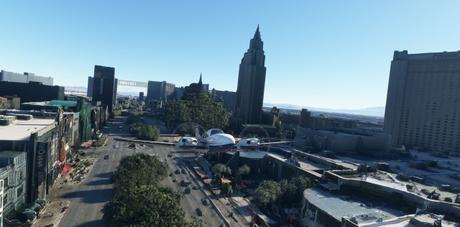
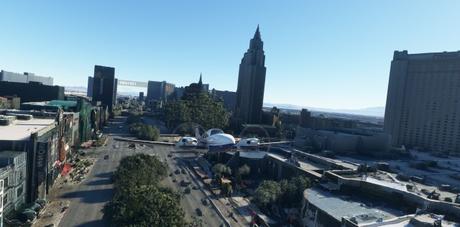
The first thing everyone who showed me the new sim told me was how good it was. This is true of the scenario, which includes a mix of cities reconstructed in every detail thanks to photogrammetry data in Bing Maps and those of Microsoft partner Blackshark.ai reconstructed from 2D maps (to learn more about how it works, here is our interview in Blackshark). What makes this work are not only the cities and towns realistic, but also the fact that they feel quite alive, with traffic whizzing along local highways and streets, street lamps and even house windows lighting up. night.
And then there is the weather model. Flight Simulator features the most beautiful clouds you have ever seen in a game. The rain clouds in the distance look just like in real life. The wind acts realistically on your plane. If you fly in the winter, snow covers the ground and you can play with all these settings in real time without having to reload the game with each change.
But ever since Microsoft and Asobo Studios decided to build almost a digital twin of our planet in Flight Simulator - and since the only way to do that is to use machine learning instead of placing each object by hand - you'll still find plenty of quirks in too. the world. I had hoped the team would fix more of these between the beta and the final release, but I haven't seen many changes here. This means you will find bridges that look more like dams, roads that go underwater, and some buildings and trees out of place - there are so many trees they don't belong to.
The way I see this is that Flight Simulator is still a work in progress and hasn't changed in the final version. That's okay with me because even when there are mistakes, cities and towns usually still look better than any paid add-ons for other flight simulators. As much of this data is streamed from the Azure cloud and the team will continue to tweak its algorithms, I also expect that we will see fewer and fewer of these issues over time. I was stuck on this at first, but after a while I realized that it doesn't take away from the enjoyment of the game, but it's something to be aware of.
One area where I really hoped Microsoft would improve the game, though, is air traffic control. This has always been an area where Microsoft (and, to be fair, all of its competitors) has struggled. This used to be an issue during alpha and beta, and it still is, which is really a shame, but what we have now doesn't seem very realistic.
Air traffic controllers do not use standard phraseology (no controller in real life will ever tell you that they will contact you when you leave their airspace, for example), do not pass you by the tower on departure, and constantly tell everyone to make it go in. round. I'm pretty sure I've done more laps in three days with the final version of Flight Simulator than during the entire training for my pilot license. It looks like something that could easily be improved in the next update because, perhaps even more than the occasional graphic hiccup, it breaks the dive for those looking for a simulator experience.
I also just wish the controllers would call the airlines by their real names. Microsoft has partnered with FlightAware to show real-life flights in the game, which depart and land on time, but somehow there are no liveries for them (except for the occasional stray United plane, which suggests we'll see more of these. over time) and only a limited set of templates. Again, that's something we'll likely see more of in future updates.
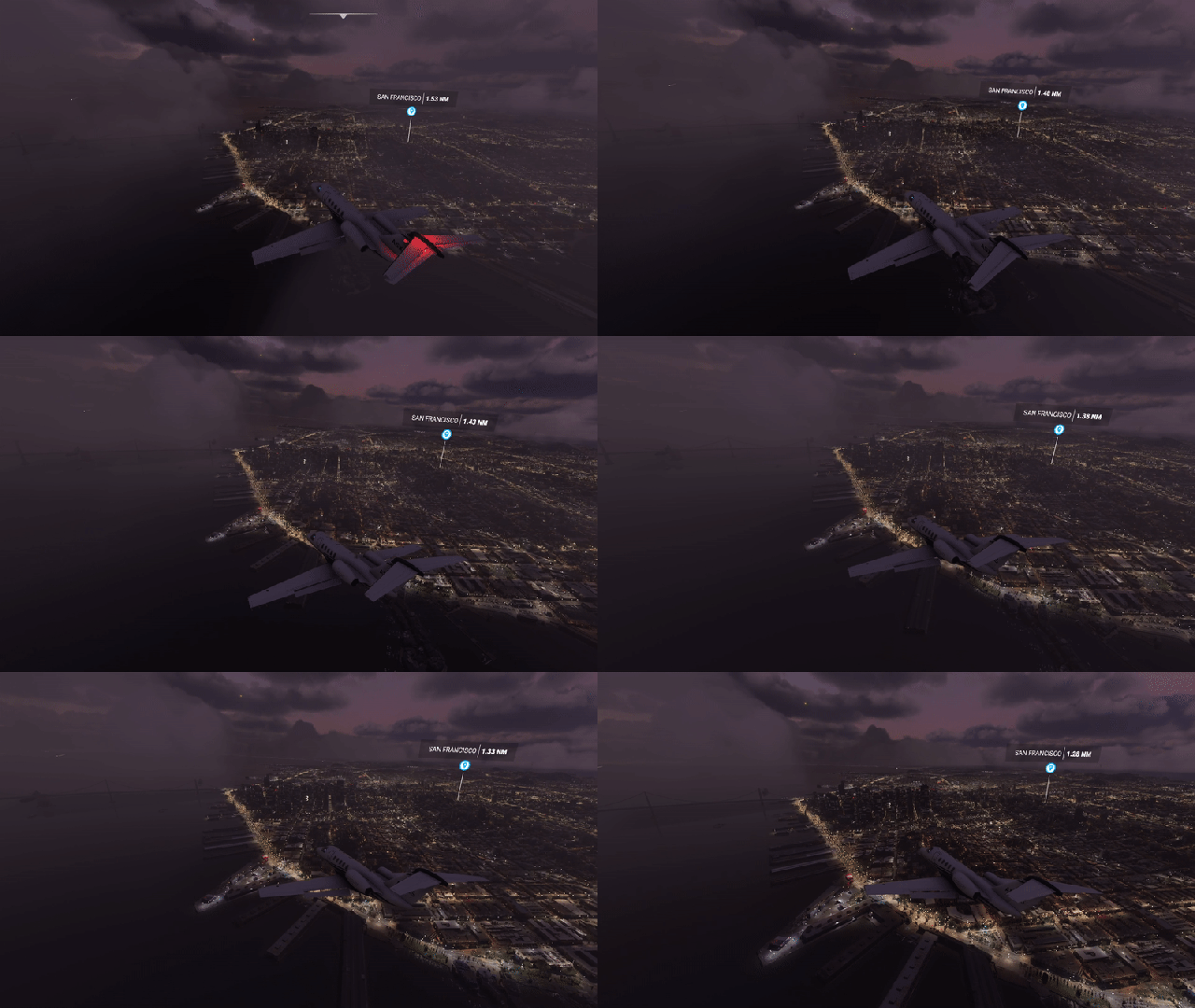
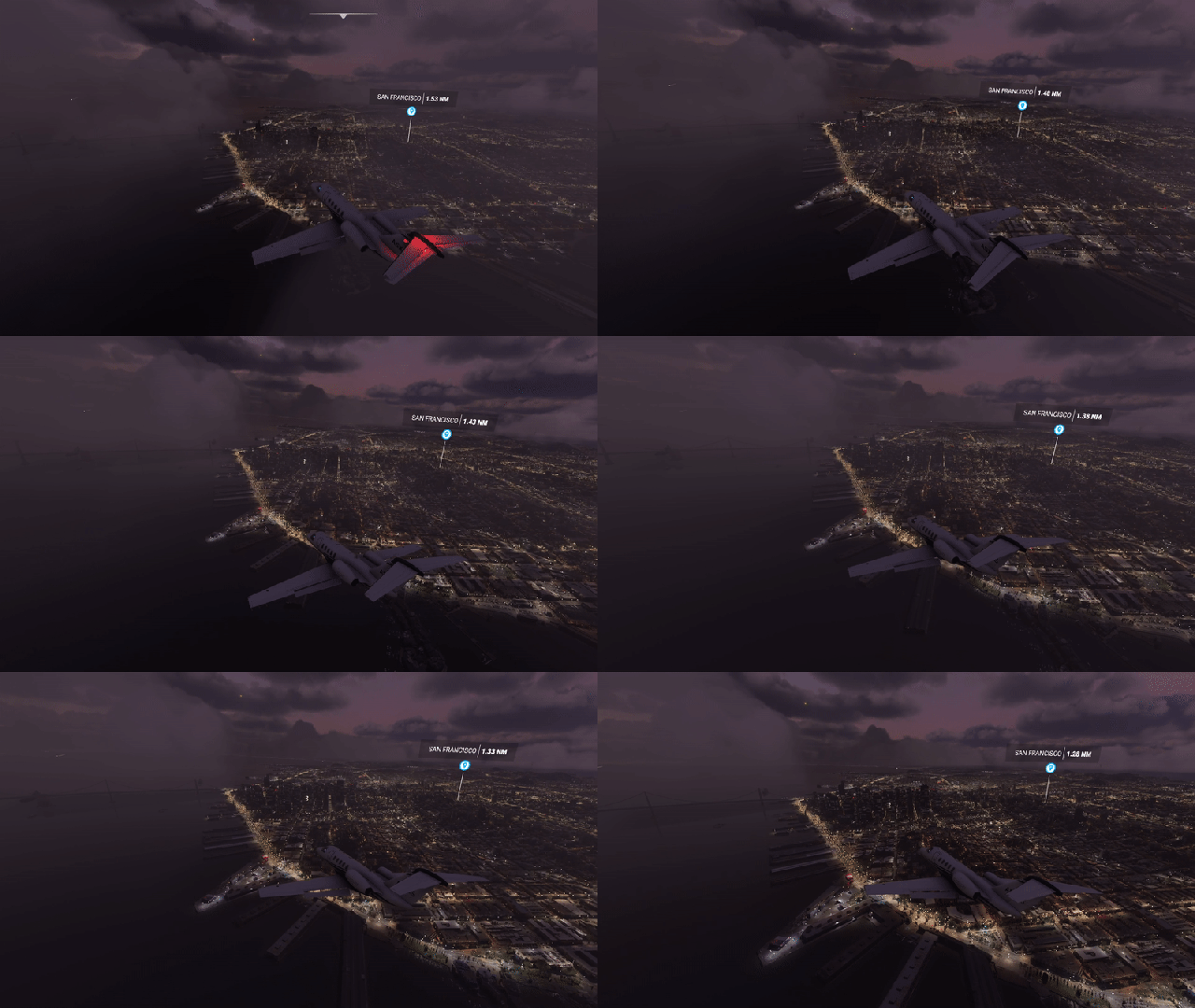
Speaking of those flight models, Microsoft has slightly tweaked a few since the beta, and while I've never been in the cockpit of a 787, the single-engined Cessna's I flew on still perform as I would expect the sim to do (even if I find the rudder still quite nervous and in need of some tweaking). I can't vouch for the other aircraft in the game, but I expect real live pilots to find they are just as realistic.
I still encountered some bugs with flight instruments here and there and GPS systems sometimes don't allow me to activate a course, for example. I would also like the simulation of the G1000 and G3X glass cockpits to go a little further. I can't help but wonder if Microsoft and Asobo have been holding back here a bit to leave more room for add-on developers.
Performance hasn't changed since beta, but I generally get around 40 frames per second with the 2070 Super and i7-9700K, even when I barely graze the rooftops of cities like Barcelona or Berlin.
The only time I saw real dips in the 1920s was when I was flying low over some of the handcrafted airports like Frankfurt, and even then, after turning my back and flying over the airport again, those numbers they went back to the 40s.
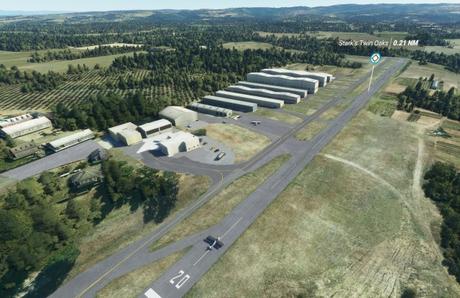
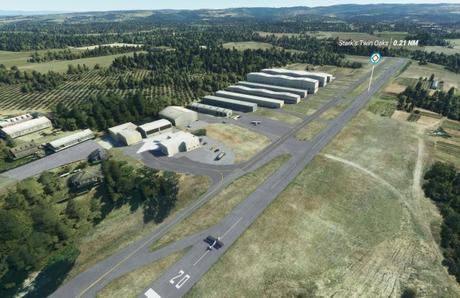
You will notice that I have used the words "simulator" and "game" interchangeably in this post. This is because I think, in many ways, Flight Simulator is what you want it to be. There are many gameplay elements here, with flight training, landing challenges, and bush flight exercises. And in this era of COVID-19, there is also something that feels very relaxing when you fly around the slow, low planet, looking at the beautiful scenery and forgetting everything else for a while. However, I fear that most casual gamers will be bored after a short time.
For simmers, the new Flight Simulator is a godsend and provides a great foundation for their hobby for years to come, especially as Microsoft will continue to update it and because many companies will develop all kinds of add-ons for it - and thanks to the inherent flaws of the game, there is still room for someone to not only build additional planes but also for handcrafted versions of smaller airports, for example.
As I said in my preview, Flight Simulator is a technical marvel. It's perfect? No. But I can forgive those imperfections because it does so much good.






