
Cybersecurity
Data breaches surged to alarming levels in 2024, exposing vulnerabilities across industries. From major corporations to government agencies, no one was immune to the escalating threats. Understanding these breaches is crucial for building resilient cybersecurity strategies for 2025. Let's dive into some of the most notable breaches, their implications, and actionable lessons for the future.
The Biggest Data Breaches of 2024
1. TechGiant's Cloud Leak
A misconfigured cloud server exposed over 200 million user records, including email addresses, passwords, and financial details. The estimated damages exceeded $350 million, with significant brand reputation damage. Key vulnerability: Poor cloud security configuration and lack of regular audits.
2. Healthcare Provider Hack
A ransomware attack on a leading healthcare chain compromised 5 million patient records, including sensitive medical histories. The operational disruptions lasted weeks, costing the organization an estimated $50 million in ransom and recovery efforts. Key vulnerability: Outdated software and lack of employee training on phishing tactics.
3. E-Commerce Giant Breach
Cybercriminals exploited an API vulnerability, stealing customer payment information and exposing 100 million accounts. The company faced $120 million in fines and a class-action lawsuit. Key vulnerability: Weak API endpoint security and insufficient encryption measures.
4. Government Agency Attack

A sophisticated state-sponsored attack leaked classified documents and exposed the personal data of 20 million citizens. The breach caused national security concerns and led to significant political fallout. Key vulnerability: Lack of real-time threat detection and response.
5. Social Media Platform Compromise
A targeted phishing campaign resulted in attackers gaining access to 50 million user profiles, including private messages. Public outcry and regulatory scrutiny forced the platform to overhaul its security policies. Key vulnerability: Insufficient two-factor authentication (2FA) and user awareness.
Key Lessons for 2025
1. Strengthen Cloud Security Practices
Cloud misconfigurations are a leading cause of breaches. Organizations must:
2. Invest in Ransomware Protection
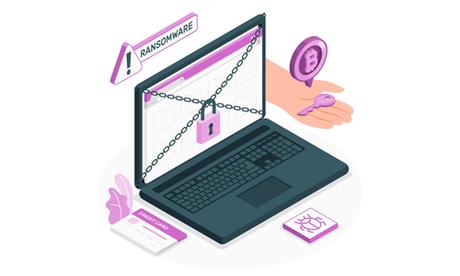
Ransomware attacks grew by 64% in 2024, according to cybersecurity reports. Mitigation strategies include:
3. Secure APIs and Endpoints
With APIs being a common attack vector:
4. Adopt Zero Trust Architecture
The traditional perimeter-based security model is obsolete. A Zero Trust framework ensures:
5. Focus on User Education
Human error remains a top cybersecurity risk. To mitigate this:
Emerging Cybersecurity Trends for 2025
1. AI-Driven Threat Detection
Artificial intelligence is becoming a double-edged sword in cybersecurity. While attackers use AI to bypass defenses, organizations can leverage it for:
2. Quantum Computing Threats

Quantum computing could render traditional encryption obsolete. In preparation:
- Start transitioning to quantum-safe encryption protocols.
- Partner with experts to assess risks from quantum advancements.
3. Cybersecurity Regulation Compliance
2025 will see stricter global data protection laws. Companies should:
- Stay updated on GDPR, CCPA, and other relevant regulations.
- Maintain thorough audit trails and demonstrate compliance.
4. Decentralized Security with Blockchain
Blockchain technology promises improved security for sensitive data. By adopting decentralized models, organizations can:
- Reduce reliance on single points of failure.
- Strengthen transaction and identity security.