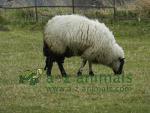
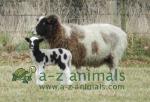
 When we think of spring images of wild-flowers and the first new buds on the trees are conjured up. In the animal kingdom, we start to see more and more birds as they return to breed from their warmer winter grounds further south, and last but by no means least, the young of some of our most iconic farm animals like calves and lambs.
Lambs are born in the later winter or early spring after a gestation period that lasts for roughly four and half months, following the annual breeding season which occurs during the autumn months every year. Although ewes (female sheep) only tend to give birth to a single young, twins are not uncommon.
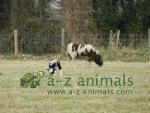
For their first two months, young lambs suckle and feed on only the milk provided by their mother in order to get all of the nutrients that they need to grow and survive healthily. Between the ages of 50 and 60 days, lambs are weaned off the milk and instead adopt a diet that consists only of solid plant material such as grass and flowers.